
Preventing Chart Gaps: Digital Intake Forms Pre-Populate StreamlineMD
💡 Imaging centers are replacing paper clipboards with SMS-based patient intake forms. These forms let patients fill out their medical history,...

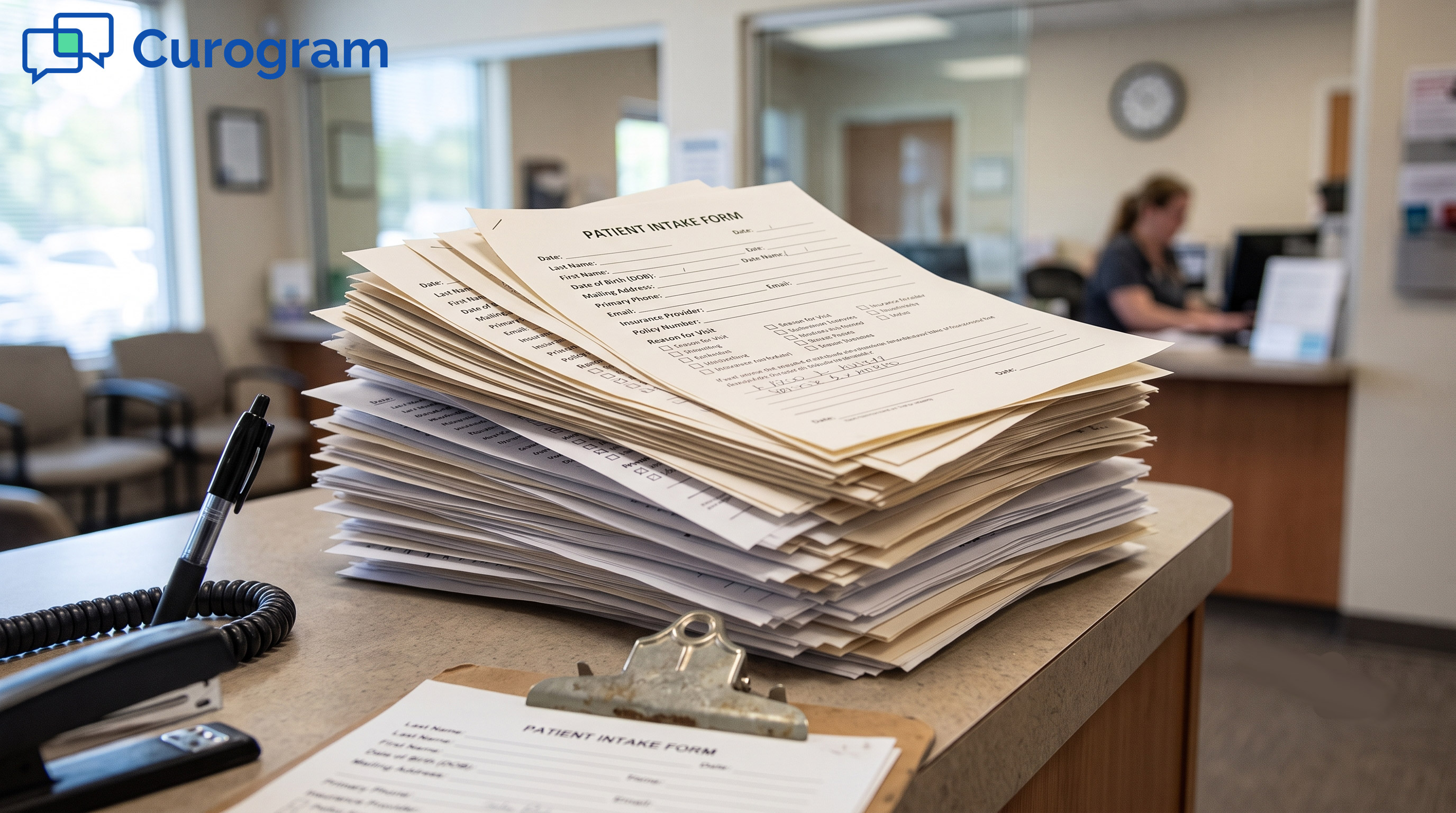
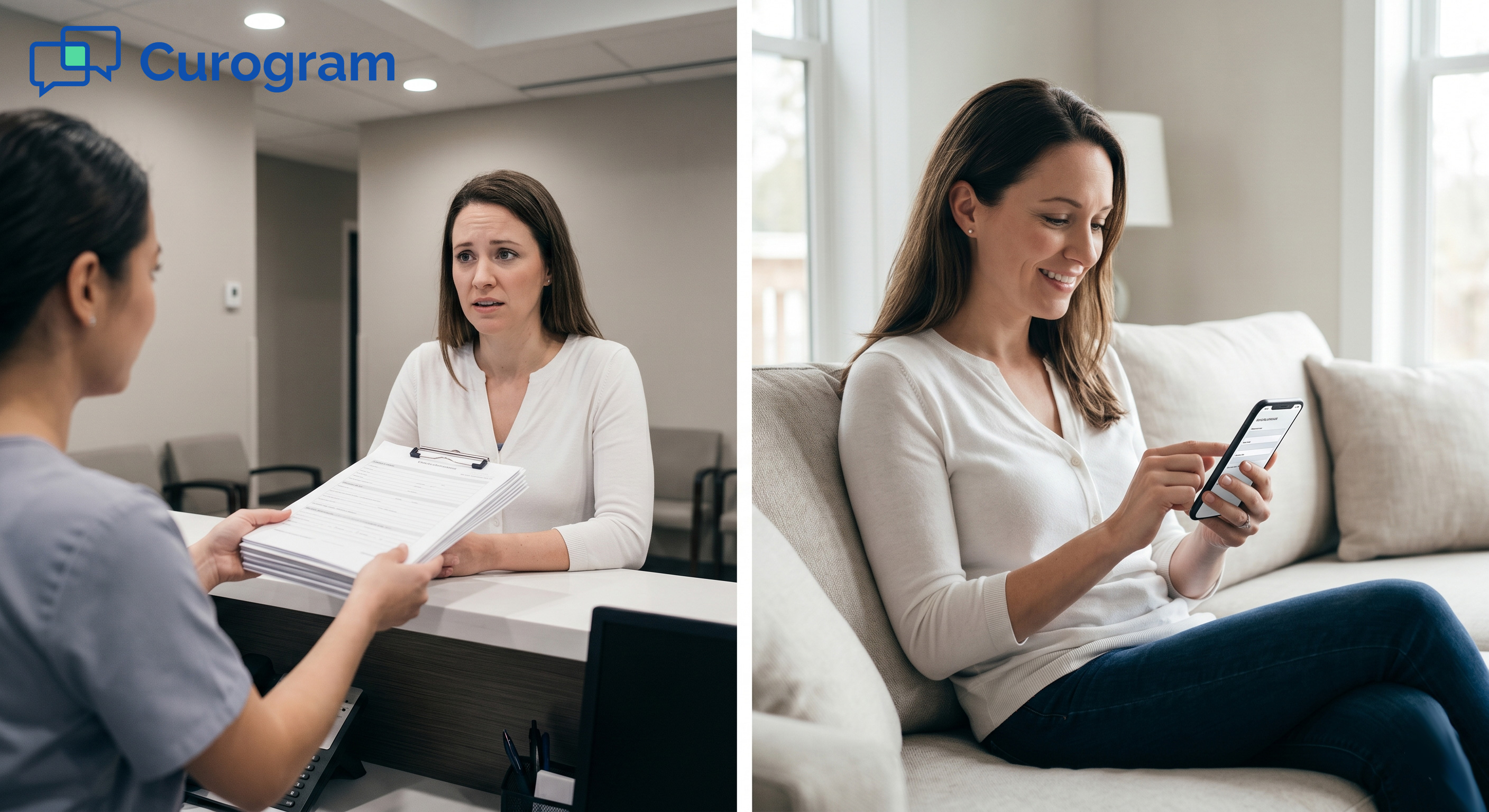
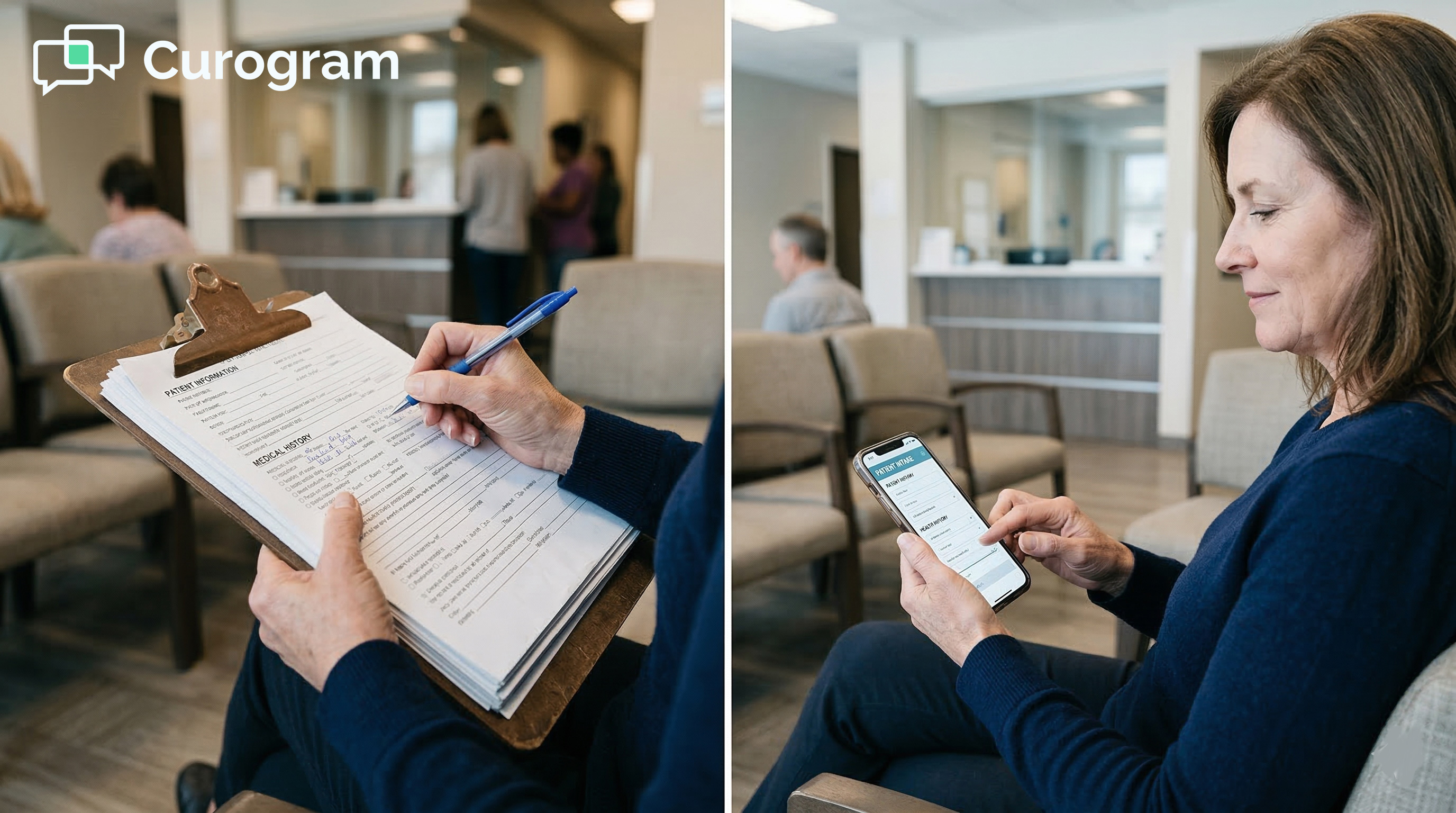
Picture the waiting room at 8:55 in the morning, minutes before a nine o'clock visit. The front desk slides a clipboard across the counter toward a patient who just walked in. On it sits a packet that runs a full nineteen pages long. The patient sighs.
They dig for an insurance card, then squint at tiny boxes and guess at old dates. By the time they finish the packet, the appointment is already running behind schedule. This scene plays out in clinics across the country every single day.
It is slow for the patient, and it is just as slow for your front-desk staff. Worse, the fields often come back rushed, blank, or filled in wrong. Then someone at the desk has to chase down every missing detail by hand.
Now picture a very different morning for that same patient. The night before, they get a friendly text from your clinic with a secure link.
They tap it, and the intake form opens right inside their phone's browser. There is no app to download and no portal password to reset.
In about three minutes, sitting on the couch, they are completely done. Their name, insurance, and history are already filled in and saved. When they arrive the next day, they are effectively checked in before the door opens.
That shift is the whole point of this article. Patients would gladly share their details by text if you simply let them. They just keep getting handed the slowest possible way to do it. The tool that fixes this is text, not paper.
Here we look at intake through the patient's own eyes, not the clinic's. We name the real villain in the waiting room, then show a faster path. You will see how the pre-visit digital intake patient experience can feel refreshingly simple.
The clipboard feels perfectly normal to everyone because it has simply always been there. But normal and good are not the same thing when it comes to patient intake.
For most patients, paper forms are the slowest, most frustrating part of the entire visit. Let us look closely at why that clipboard drags the whole appointment down with it.
Intake usually reaches the patient in one of two very familiar and dated ways. Both of them put the real work at the single worst possible moment of the day.
One is a thick paper packet, and the other is a clunky portal login. Neither option respects the patient's own time in the quiet hours before they arrive.
The paper packet lands in the patient's lap the very moment they walk through the door. They fill it out cold, with no insurance card or medical history sitting in front of them.
Meanwhile, the clock is already ticking steadily down toward their scheduled appointment slot. So they rush, and a hurried nineteen-page form almost always misses a few important fields.
The other route is a patient portal, which certainly sounds modern and tidy on paper. In practice, it asks each patient to create and then somehow remember a brand-new account. Most people simply will not build a whole login just for one single upcoming visit. A no portal intake form quietly removes that wall long before it can block anyone.
When the intake tool itself is slow, the quality of the data quietly starts to suffer. Late forms and blank fields then create a pile of very real work further downstream.
That extra work almost always lands squarely on the shoulders of your front-desk team. And it tends to show up at the single busiest moment of their whole day.
A rushed packet tends to arrive at the desk with noticeable gaps scattered throughout it. Insurance numbers often get skipped, transposed, or simply copied down in the wrong order.
History fields stay blank because the patient is guessing quickly under very real-time pressure. Then the staff has to stop and ask for those very same details again, face to face.
The clipboard also sends the patient a quiet but surprisingly clear message about the office. It tells them, without a single word, that this practice still runs mostly on paper.
That clashes hard with the modern, careful medicine they fully expect to find just inside. Patients are not being difficult here; they were simply handed the slowest possible tool.

Curogram flips the whole timeline on its head, starting the process at the patient's phone. Instead of a stack of forms waiting at the desk, the intake goes out to the patient first.
It rides the one channel that almost everyone already checks throughout the entire day: text. Here is how that works in practice, and why it fits so many different kinds of patients.
The core idea behind the whole approach is genuinely simple and easy to follow. You send the intake form out as a link, before the visit, and let the patient tap it.
No account and no download ever stand between them and the first field. The form goes to the patient, rather than making the patient come find it.
The patient gets a text with a secure link and taps it once to begin. The form opens right inside their phone's browser, with nothing at all to install first.
This is exactly what no-app patient intake with CollaborateMD looks like on a normal day. They complete patient intake on the phone before the visit day has even arrived.
The real magic is what happens the moment the patient hits the submit button. Their answers write back into the CollaborateMD chart automatically, with no retyping by any staff member.
When patients fill medical forms by text link, the chart updates quietly in the background. So the patient never has to repeat the same details again at the front desk.
A tool only helps your practice if patients will actually pick it up and use it. Text clears that bar for very nearly everyone who walks onto your schedule.
It meets people on ground they already know and trust well. That familiarity is what turns a good idea into a finished form.
The link works on any phone with a browser, no matter the brand or model. It fits primary care, specialty clinics, and lab or diagnostic visits equally well.
Older patients often handle a single tap far more easily than a fresh online login. That is why one simple channel can quietly cover your entire daily schedule.
The text arrives from your clinic's own real number, so it reads clearly like the office. It feels like a message from people they already trust, not a random spam blast.
Two-way HIPAA-compliant texting keeps that same friendly channel open for any quick questions afterward. And text-to-pay lets patients clear a balance by text later, again with no login at all.
Picture the payoff for a moment, this time from the patient's own point of view. They arrive for the visit, and there is no clipboard waiting for them at the counter.
The chart is already full, and the check-in step is already handled. This is what done before the door really looks like in everyday practice.
|
Step |
The Clipboard |
Text-Link Intake |
|---|---|---|
|
Where |
In the lobby, on arrival |
At home, before the visit |
|
Setup |
New portal login or paper |
A tap, no app or login |
|
Time |
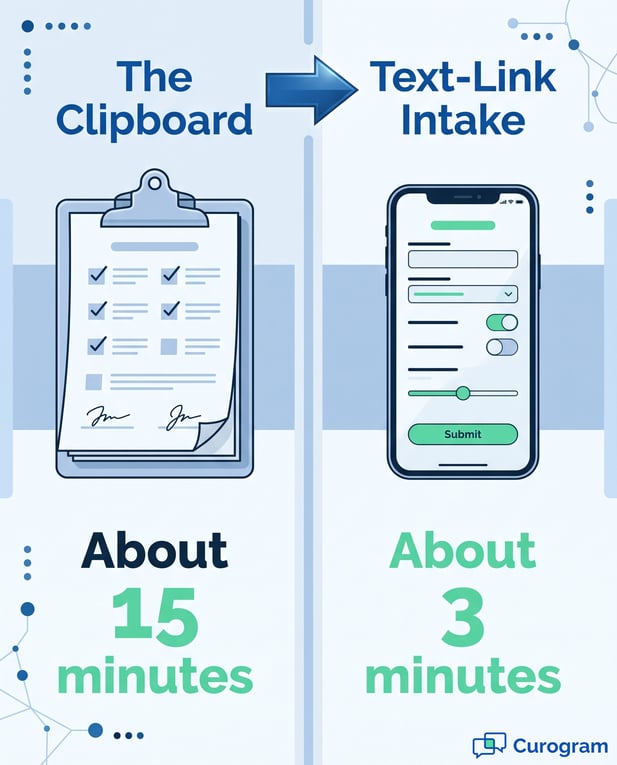
About 15 minutes |
About 3 minutes |
|
Chart |
Retyped by staff |
Writes back on its own |
|
First impression |
Runs on paper |
Modern and quick |
Clipboard intake vs. text-link intake, side by side.
The change here is refreshingly easy to name and just as easy to picture. Call it, plainly and simply, the move from clipboard to two taps.
The heavy work moves off the lobby floor and onto the patient's own schedule. Nothing about the visit slows down while they finish it at home.
A daunting nineteen-page clipboard turns into one short link sent quietly by text. The patient finishes the whole thing at home in roughly three easy minutes.
There are no waiting-room forms to face and no portal password to hunt for. The pain of the packet simply moves to a calmer moment that suits the patient.
Because the form is done early, the entire check-in step shifts forward with it. The patient is effectively checked in well before they ever reach the front door.
This helps reduce waiting room form time down to almost nothing at all. They step inside and head straight toward the care they actually came for.
The wins here are not just about a slightly nicer mood in the lobby. They show up plainly in wait times, in data quality, and in real trust.
Both sides of the counter feel the difference almost right away. One small change ends up touching the whole rhythm of the day.
When forms arrive early, the lines building up at the front desk shrink quickly. Staff is no longer chasing down missing fields during a rushed morning check-in.
The chart holds clean insurance and a full history from the very first minute. Text messages also see very high open rates as a well-known industry benchmark.
The first thing a patient touches quietly sets the tone for the entire visit. A smooth, simple text tells them clearly that the office truly values their time.
That impression finally matches the quality of the careful care waiting inside. The whole pre-visit digital intake patient experience ends up feeling calm and easy.

Intake quietly sets the tone for the entire visit that follows behind it. When it is a clipboard, the patient tends to start off tired and frustrated.
When it is a text, they start off already checked in and at ease. That single swap changes how the whole appointment ends up feeling for everyone.
It helps to think about the two tools sitting side by side quietly. CollaborateMD is built for your chart of record and the clinical data behind it.
Curogram is built for the patient's own convenience and everyday comfort. It meets them on the exact channel they already reach for every single day.
Together, the pair covers both of those needs at the very same time. The visit starts on time, and the data lands in the chart already clean.
The patient never has to fight a stubborn login or wrestle a paper packet. Your front desk gets to greet real people instead of quietly processing forms.
The relief for your staff is real and lasting, not just a pleasant idea. No one keys in long insurance numbers by hand at the desk anymore.
No one hunts down the one important field a patient happened to leave blank. That reclaimed time goes straight back into actually caring for people.
The case for text is not just a hopeful hunch on our part, either. Nearly all US adults own a cellphone, and most own a smartphone, per Pew Research Center.
Texting is consistently the most-used feature on nearly every one of those phones. So a form sent by text meets patients right where they already live and work.
This is exactly why the pre-visit shift matters so much for patients. They would happily share their details in about two minutes via a quick text.
They should not be handed the slowest possible option out of pure habit. A no-portal intake form respects their time from the very first tap.
It also scales smoothly across every kind of clinic you could name. Primary care, specialty, and lab visits all lean on the same one simple link.
The bottom line for your practice is genuinely simple to state. Stop greeting patients at the door with a clipboard they quietly dread.
Stop pointing them toward a portal they will almost never actually use. Give them a text they can finish from the couch the night before instead.
Ready to retire the waiting-room clipboard for good? Schedule a demo and see a patient finish intake by text before the appointment.
Patients simply tap a secure link inside a normal text message. The form then opens right inside their phone's own browser. There is no app to download and no password to reset. That is why a no-login path gets finished far more often than a portal.
The form runs through a HIPAA-compliant, secure channel under a signed BAA. Consent is captured up front, before any sensitive details are shared. So those details stay protected, not left sitting in an open inbox. The data is handled with the same care as the chart itself.
They can finish it in the office on their own phone in just minutes. Paper always stays available as a simple, familiar backup. Texting just gives most patients a much faster option than before. It adds a choice for people without ever taking one away.
The patient walks in already checked in, so the line at the desk moves faster. Staff are no longer chasing blank fields during a busy morning. Waits get shorter, and the whole mood of the lobby stays calmer. The room feels less like a paperwork station and more like a clinic.
Text sits in the one inbox that people already check all day long. A portal asks them to log in to a place they almost never visit. The link needs no account, so there is nothing standing in their way. That is why text forms get finished while portal forms often do not.
💡 Imaging centers are replacing paper clipboards with SMS-based patient intake forms. These forms let patients fill out their medical history,...
💡 Practice Fusion patient intake forms powered by Curogram let patients fill out all check-in paperwork on their phone before they arrive. No app...
💡 Curogram delivers the eClinicalWorks patient digital form experience through text — with no app download, no clipboard, and no lobby wait....