1 min read
How Telehealth Enhances Patient Engagement
💡 Telehealth enhances patient engagement by removing the friction that keeps patients from acting on their health. Video visits, secure texting,...
8 min read
Carylee Gali
:
Updated on August 19, 2026
Telemedicine was supposed to be the easy part.
Open a link. See the patient. Chart the visit. Get paid.
That was the promise.
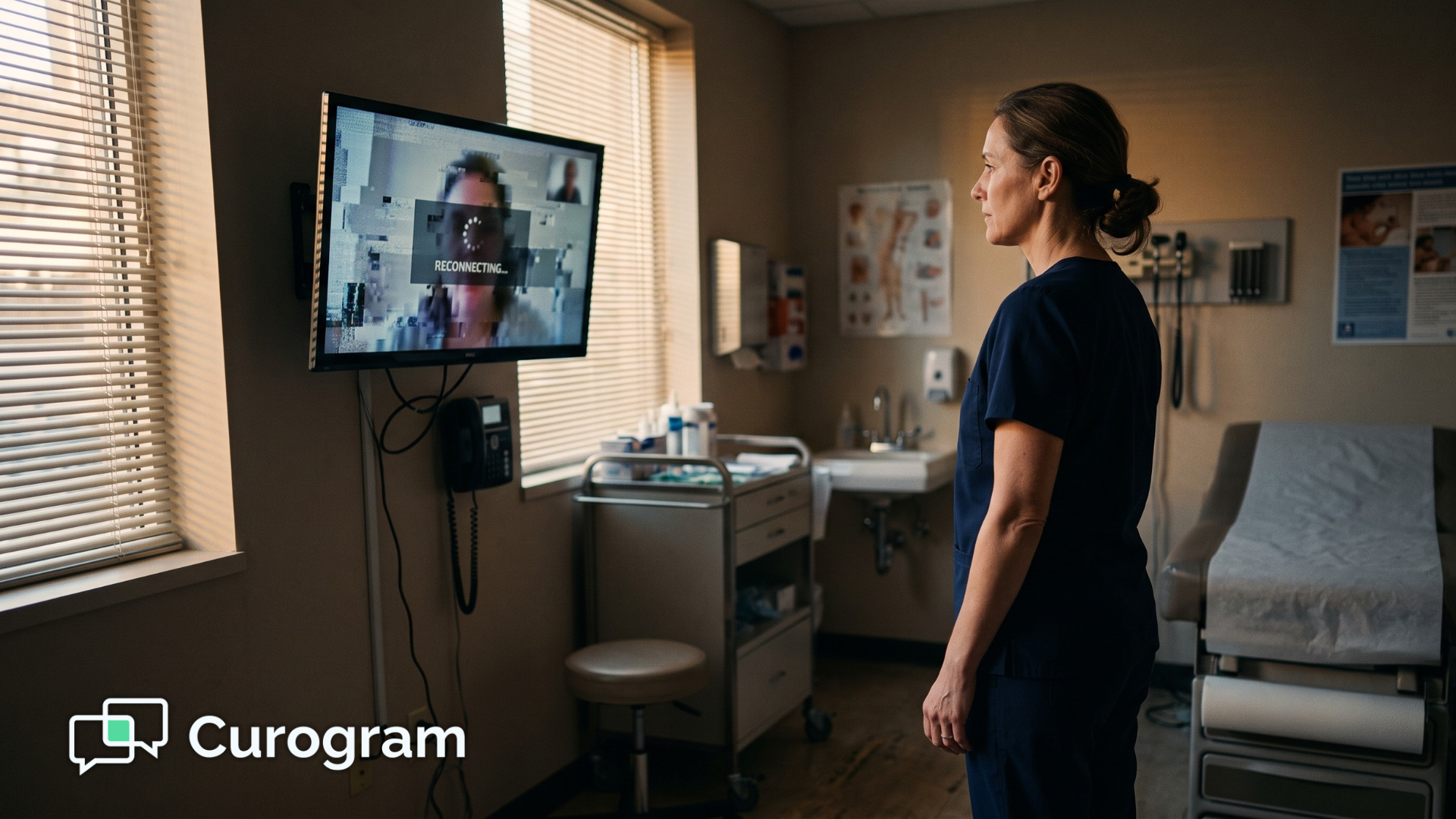
What happens in most practices looks different. A patient cannot find the join button, or a claim comes back denied over a place-of-service code. The video freezes right as someone starts describing a symptom.
None of that is about medicine. It is about logistics, tools, and rules that keep changing, and it is the real reason telemedicine stalls in practices that genuinely want it to work.
Remote care began as a way to reach patients who could not easily reach a clinic: rural communities, patients without transportation, people too sick to travel. Growth stayed slow for years because most patients still preferred an in-person appointment. Then the pandemic pushed video visits into every corner of health care almost overnight.
Scale exposed the cracks. Small problems that were easy to ignore at ten visits a week turned costly at a hundred.
Here is the good news. Almost every one of these barriers has a known fix. Some are policy issues you plan around, and others are workflow issues you solve with better tools. Below are six of the most common ones, what each really costs you, and how to clear it.
A patient’s reluctance to receive care via telehealth can affect the overall result of remote healthcare delivery. As a medical practitioner, trying to keep up with innovations has become integral to remote healthcare delivery. But, no matter how well you and your team use the technologies to deliver services, patients’ comfort and self-confidence can differ when introduced to remote healthcare.
Many patients may not feel comfortable with technology and telehealth. Others may feel they can’t connect with a healthcare provider properly over a virtual visit. To overcome this barrier, it’s a good idea to gently introduce remote healthcare to your patients before implementing it into their care.
Take time to explain telemedicine, including why you use it and how it simplifies care. Give them detailed directions, and ensure staff are available for questions. Education and support are not stopped once you introduce telehealth to patients. Establish continuous communication to maintain your patients’ knowledge and keep them up-to-date with upgrades and the latest in remote care.
Reimbursement is the barrier most likely to make a practice drop telehealth for good. The rules are not the same across payers, and they change more often than anyone would like.
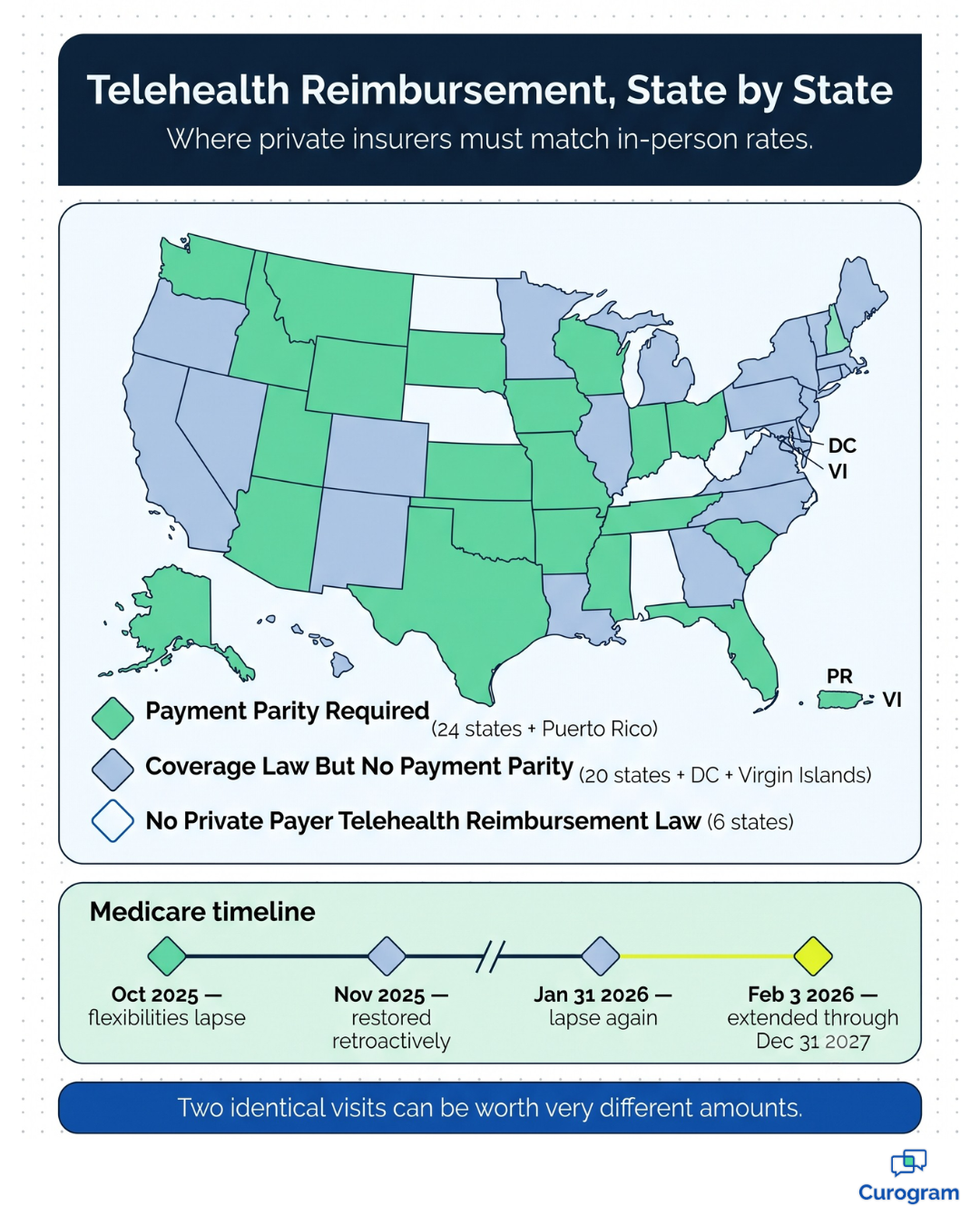
At the federal level, things have been shaky. Congress has extended Medicare's telehealth flexibilities again and again. They lapsed in late 2025, lapsed a second time in early 2026, and now run through December 31, 2027 under a spending bill signed on February 3, 2026.
State rules for private plans are steadier but far from even. The Center for Connected Health Policy counts 44 states, plus Washington DC, Puerto Rico, and the Virgin Islands, with laws addressing private payer telehealth reimbursement. Only 24 states and Puerto Rico require full payment parity, meaning the insurer must pay the same rate for a video visit as an office visit.
Here is how that split looks:
| Rule type | What it means | Where it stands |
|---|---|---|
| Service parity | The plan must cover a video visit if it covers the same care in person | Common in most states with a telehealth law |
| Payment parity | The plan must pay the same rate for a video visit as an office visit | 24 states, plus Puerto Rico |
| No parity rule | Coverage and rates are left to the insurer | Roughly a quarter of states |
In practice, two identical visits can be worth very different amounts depending on where your patient sits and who insures them.
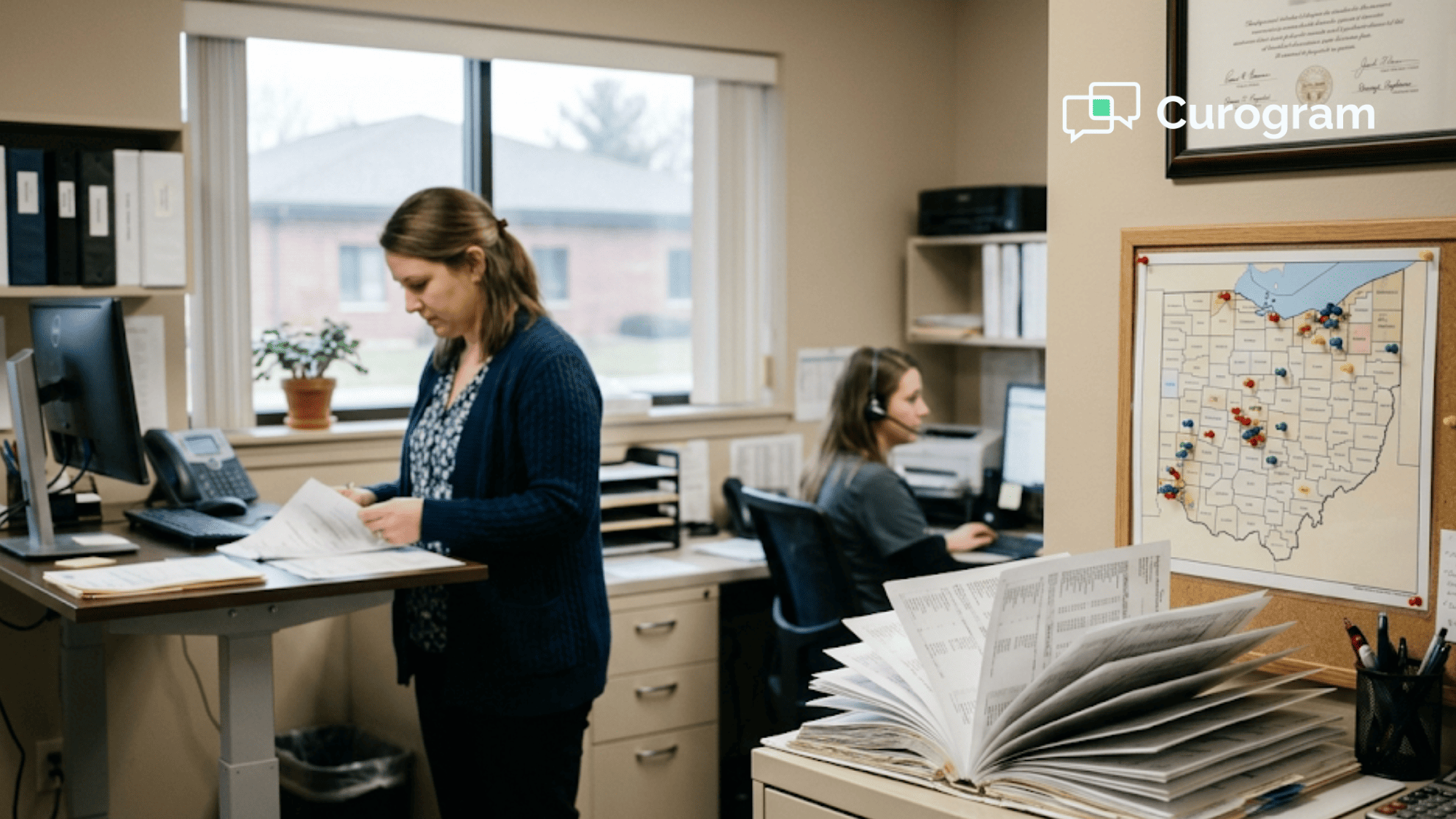
For your team, the fix is simple. Name one person to review your top five payers each quarter, and have them confirm where Medicare stands before every deadline.
No matter how skilled and knowledgeable healthcare professionals are, medical mishaps and unintentional mistakes due to negligence or human error may happen. The same goes for telemedicine. Technology failures are possible since remote healthcare delivery significantly depends on telecommunications and the internet.
When a glitch in technology or the internet happens, a physician may find it hard to understand what the patient is saying during a telemedicine consultation, leading to a misdiagnosis. Missed diagnoses damage patients and healthcare providers because they could lead to inappropriate prescriptions and drive costs up.
This complex barrier requires a simple solution — double-checking. If you are unsure about what a patient just told you during a virtual visit due to a poor internet connection, ask again and clarify. Better yet, choose the live chat feature on the video conferencing app for more precise communication.
No internet, no video visit. That is the whole equation, and it is why network problems create delays that spread well past the appointment itself.
Take a common case. A physician needs a patient's electronic health record (EHR) from another office before starting treatment, but the transfer stalls on a dropped connection. The visit ends without a plan, the patient reschedules, and care slips by several days. Nobody made a clinical error, yet the delay still cost money.
Access is not evenly distributed, either. The FCC has reported that more than 22% of rural Americans lack adequate broadband, against roughly 1.5% in cities. Those are often the exact patients video care was designed to reach.
You cannot fix national infrastructure, but you can control your side of the connection:
When an outage does hit, tell patients quickly and offer a real alternative: a phone visit, a new slot, or a secure message thread. Silence turns a small glitch into a service complaint.

Most barriers are not discovered. They are tolerated. Practices absorb them one lost visit and one denied claim at a time, until the cost disappears inside the numbers.
Block 30 minutes with your front desk lead and answer five questions:
You will usually find one fixable problem worth more than all the others combined. Start there.
When they learn about telemedicine, one of the significant concerns patients have is the privacy and confidentiality of their health data. The healthcare industry has always been a target for data breaches due to collecting and transferring large amounts of sensitive information.
Telemedicine poses an even greater risk of data-related incidents because it uses EHR and other electronic forms containing protected health information (PHI). So, when a technological failure happens in a telehealth platform that collects and transfers PHI, a data breach may occur.
Healthcare providers and organizations invest in telemedicine solutions with robust security, interoperability features, and encryption protocols that fully comply with HIPAA Privacy and Security rules to avoid data breaches.
It is easy to forget how much HIPAA governs the moment a message leaves your building. Sharing PHI over an open channel is a violation, and so is sharing it with the wrong person. Intent does not matter.
Your telemedicine platform must be HIPAA-compliant for both stored and sent data, and that is not automatic. Plenty of tools sold to medical offices were never built to meet that bar. Using one does not shift the risk away from you.
The rulebook is genuinely dense, which is exactly why some providers skip telehealth adoption altogether. Doing nothing feels safer than doing something wrong.
The penalties explain the caution. HHS raised HIPAA fines for inflation effective January 28, 2026:
| Tier | Minimum per violation | Maximum per violation |
|---|---|---|
| Did not know | $145 | $73,011 |
| Reasonable cause | $1,461 | $73,011 |
| Willful neglect, corrected | $14,602 | $73,011 |
| Willful neglect, not corrected | $73,011 | $2,190,294 |
The annual cap for repeat violations of the same requirement now reaches $2,190,294, and criminal charges sit on top of that. So does the damage to your reputation, which is the part you cannot settle. Patients who lose trust in how you guard their records rarely come back, and they tell people.
So stop treating the rules as a checklist your staff keeps by hand. Treat them as a setup decision instead. A HIPAA-compliant system such as Curogram keeps secure messaging, video visits, forms, and appointment reminders in one place. Your team stops guessing which channel is safe, because there is only one.
That security pays off with patients too. People open up more over telehealth when they trust that whatever they share stays protected.
It helps to put a number on this, because better patient engagement is hard to budget for and recovered revenue is not.
Here is an illustration.
A practice books 400 video visits a month at an average reimbursement of $120 each. At a 14.20% no-show rate, roughly 57 of those appointments vanish. Drop that rate to 4.91%, the result Atlas Medical Center saw in three months with automated reminders, and roughly 37 visits come back.
| Measure | Before | After |
|---|---|---|
| Video visits booked each month | 400 | 400 |
| No-show rate | 14.20% | 4.91% |
| Visits lost each month | 57 | 20 |
| Visits recovered each month | — | 37 |
| Revenue recovered each month | — | ~$4,400 |
| Revenue recovered each year | — | ~$53,000 |
Those figures are an illustration, not a promise, and your volume and payer mix will change the math. The pattern still holds. Across Curogram clients, no-show rates run 53% below the industry average, and more than 75% of appointments get confirmed ahead of time.
For your team, that is the gap between a schedule you hope holds and one you can actually staff against.
None of the barriers to telemedicine covered here are permanent. You overcome patient doubt with good teaching. You shrink payment risk with a quarterly review and a named owner.
Technical failures fade with a backup connection and the habit of confirming what you heard. Privacy risk drops the moment patient data stops scattering across personal phones and free apps.
What ties it all together is the platform underneath. Put secure messaging, video visits, reminders, and forms in one HIPAA-compliant system, and most of these problems stop being daily decisions and become defaults.
That is the real shift. You stop asking whether virtual care will work and start using it to reach the patients who need it most.
Your next step is simple. See how Curogram supports secure virtual visits and find out what a fully HIPAA-compliant setup would look like inside your practice.
Frequently Asked Questions
It depends on your patient mix, but reimbursement is the one that most often ends a program. Patient doubt and tech glitches are frustrating, yet both get better with practice. Unclear payment rules hit your bottom line directly and sit mostly outside your control. That is why a quarterly payer review matters more than most practices expect.
Generally, no. HIPAA needs a signed business associate agreement from any vendor that handles patient health data, and most free apps will not sign one. Some paid plans do offer a compliant tier, so check what your subscription covers. Do not trust the brand name alone.
Introduce it before you need it. Explain what will happen, send written steps in plain language, and make sure a staff member can walk someone through the first attempt by phone. Offer a short test connection a day early for patients who seem nervous. Most reluctance is about the unknown, not the technology itself.
Agree on a fallback before the visit starts and tell the patient what it is. Usually that means you call their phone within two minutes of any disconnection. Document what was covered before the drop and confirm any clinical detail you were unsure of. A visit that ends without a clear plan should be rescheduled, not guessed at.
It can, though the savings come from schedule reliability rather than the video itself. Automated reminders and confirmations are where the measurable gains show up. Atlas Medical Center cut its no-show rate from 14.20% to 4.91% in three months, and Curogram clients confirm more than 75% of appointments ahead of time. Fewer empty slots means more visits from the same staffing cost.
1 min read
💡 Telehealth enhances patient engagement by removing the friction that keeps patients from acting on their health. Video visits, secure texting,...
1 min read
💡New Jersey treats telemedicine and telehealth as real medical care. State law makes health plans pay for covered virtual visits at the same rate...
1 min read
💡 Telemedicine is legal and widely covered in Virginia, but three rules decide whether a visit is valid and paid.First, licensing follows the...