Patients often feel lost after getting imaging results. They read reports full of confusing terms. They wait weeks to speak with a doctor. With a virtual MRI consultation via text, that wait disappears.
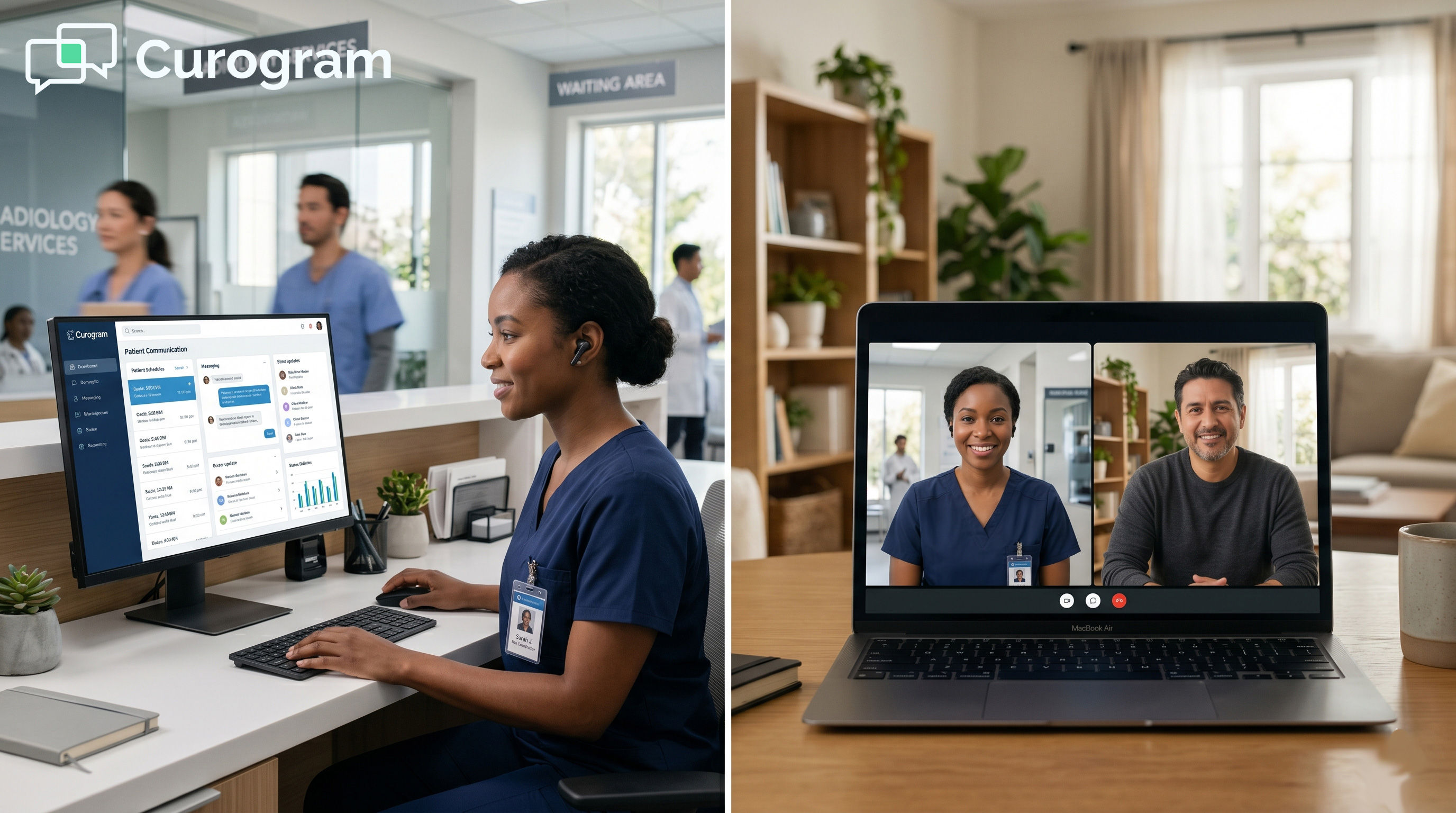
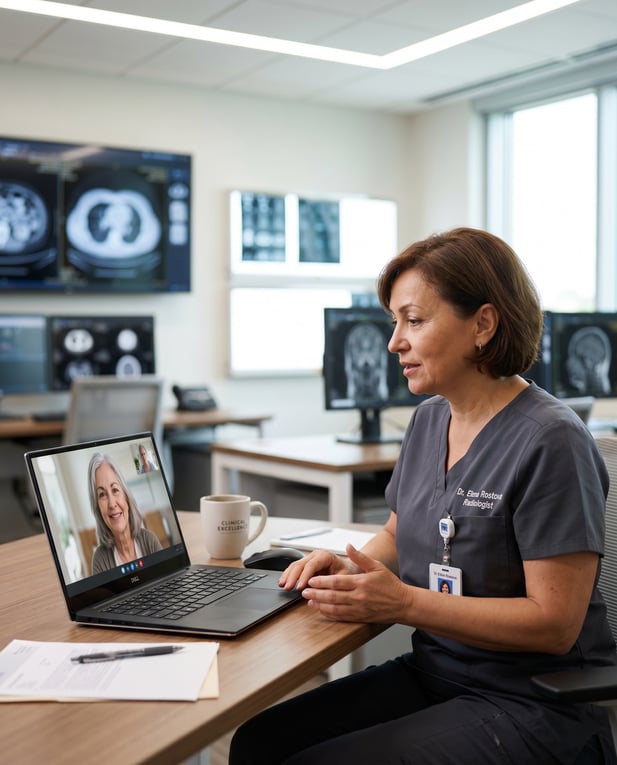
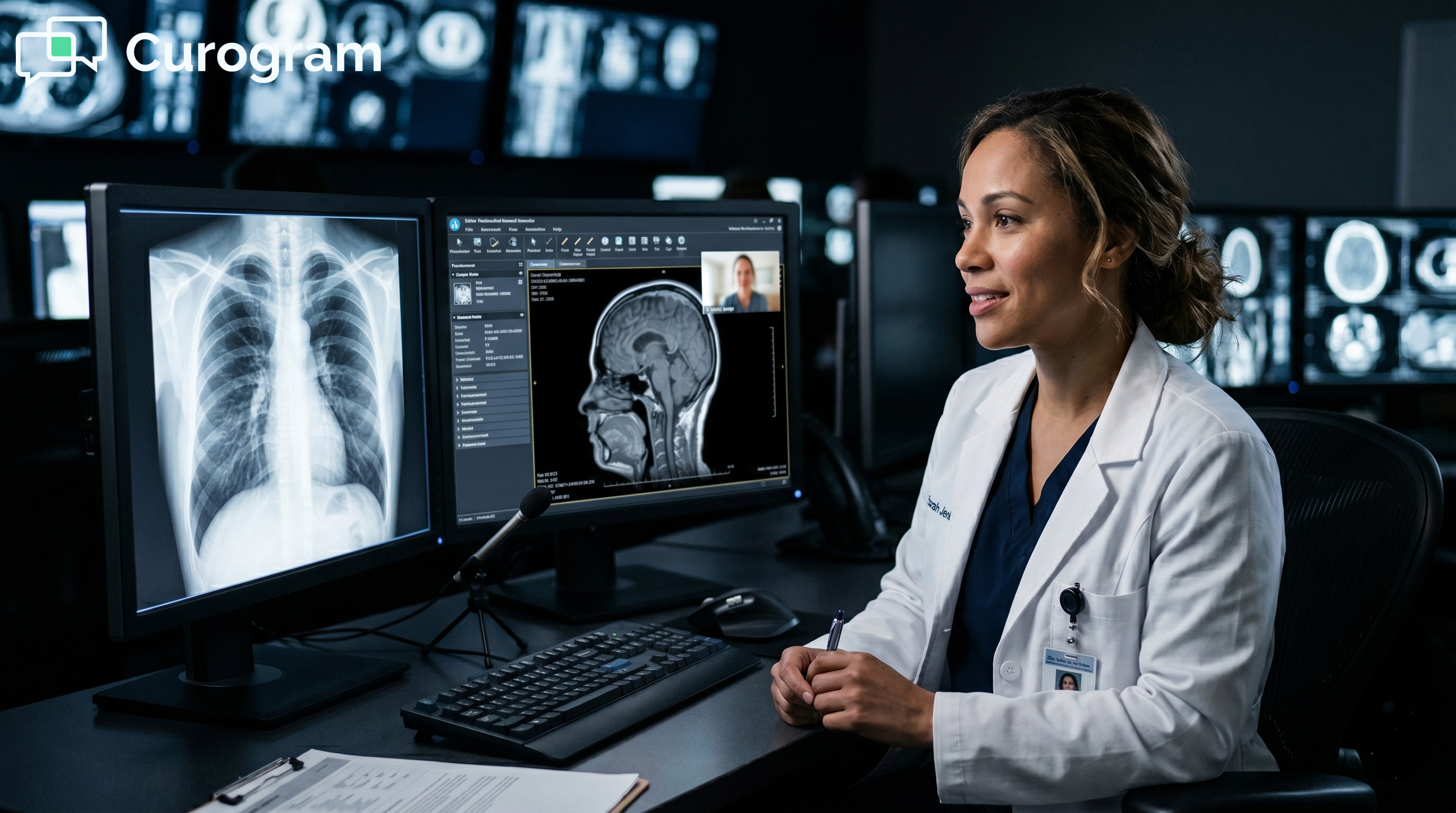
Curogram's integration with Exa makes this possible. It sends a secure video link by text, directly to the patient's phone. The patient connects with a technologist, radiologist, or care coordinator in seconds. This kind of radiology patient virtual communication turns a scary, lonely experience into one where patients feel heard and cared for.
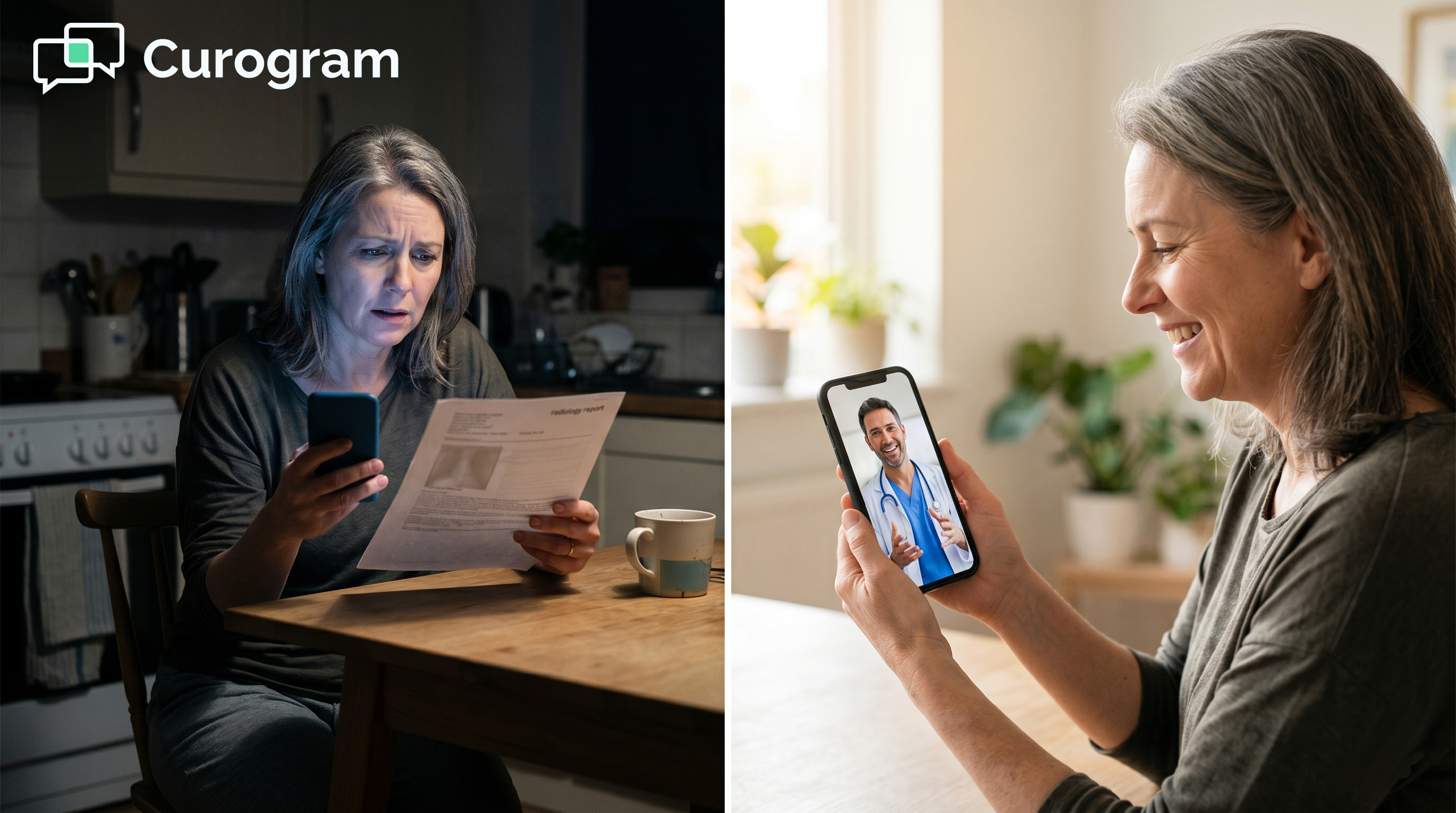
Your imaging results are in. You open the portal. And the report reads like a foreign language.
That moment is one of the most stressful in a patient's life. You see words like "subcentimeter lymph nodes" or "recommend correlation with clinical history," and your mind starts to spiral. It's 9 PM. The doctor's office is closed. Google becomes your only option.
This is the reality for millions of patients every year. They go through scans, wait for results, then receive a digital report with no one to call.
The radiology team that reads those images is just a few floors away, or maybe across town, but there is no easy way to reach them.
Imaging centers have the tools to change this. The technology exists to connect patients directly to the people who can answer their questions.
What has been missing is a simple, fast, and reliable way to make that connection happen.
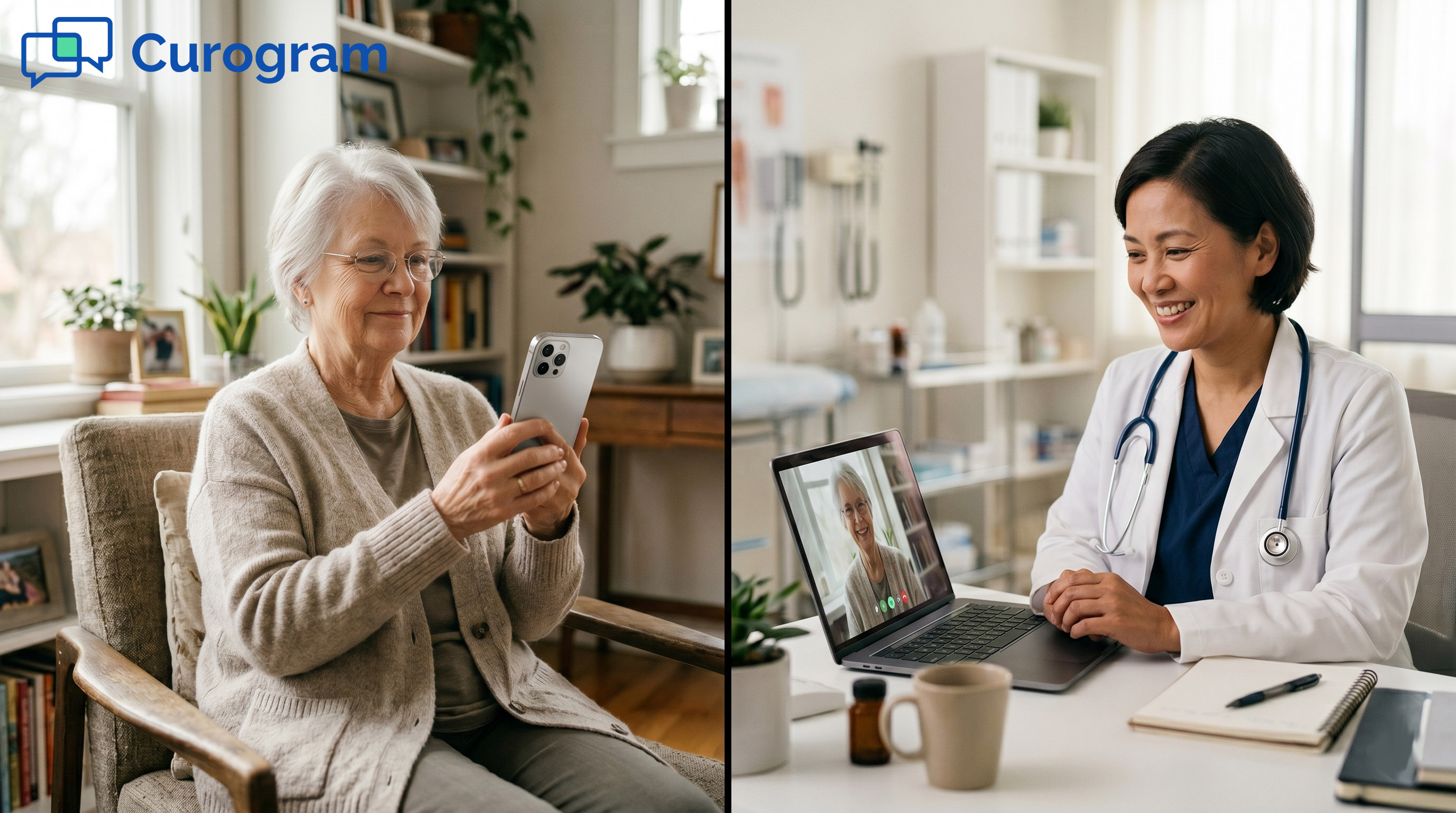
That is exactly what an imaging center video visit through a text link does. Your imaging center sends you a message. You tap the link. You are face-to-face with someone from your care team in under a minute. No app. No login. No waiting on hold.
This article walks through how this process works, why patients need it, and what it means for imaging centers that want to deliver better care.
Whether you are preparing for your first MRI or trying to understand a result you just received, virtual consultations via text can change the entire experience.
Curogram, through its integration with Exa, makes this kind of imaging center patient video consultation possible at scale.
The goal is simple: help patients feel informed and supported at every step of their imaging journey.
The Villain: The Results You Read Alone
Most imaging centers do an excellent job with the technical side of care. The machines are advanced. The images are precise.
But the patient experience often falls apart right after the scan ends. This section looks at the four pain points that leave patients feeling confused and alone.
The Portal Notification
It starts with a buzz. Your phone alerts you that imaging results are ready. You log in, and a wall of medical terms stares back at you.
Words like "heterogeneous echotexture" or "mild interval change" mean nothing to a patient without a medical background. But one phrase catches your eye, and suddenly you are convinced something is very wrong.
What Patients Actually Experience
The fear is not just about the words themselves. It is about being alone with them. There is no one to call at 9 PM.
There is no button in the portal that says, "Talk to someone now." So patients do what anyone would do: they search online.
Within an hour, they have read through the worst possible cases. Anxiety peaks. Sleep becomes impossible. And all of it could have been avoided with a five-minute conversation with the right person.
Why Portals Alone Fall Short
Patient portals are great for storing records. They are not built for real-time reassurance.
A document is not a conversation. When patients receive results through a portal, they get information without context. That gap is where fear grows.
Imaging centers that rely solely on portals are leaving patients in a difficult spot. They are not doing it on purpose, but the result is the same: a patient who feels isolated at a critical moment.
The Three-Week Wait
Even when patients know they need answers, getting those answers takes time. The referring physician often has a three-week backlog.
That wait is brutal when you are carrying the weight of an imaging report you do not fully understand.
During those 21 days, patients lose sleep. They cancel plans. They search online repeatedly, each time finding something scarier than before. The radiologist who could explain the finding in plain language is unreachable.
The Cost of Waiting
Waiting is not just emotionally hard. It leads to real clinical risks. Patients who are anxious and confused may stop taking prescribed medications, miss follow-up care, or avoid future scans altogether. A delay in understanding can become a delay in care.
The gap between the imaging result and the patient conversation is not just a communication problem. It is a health outcomes problem.
Who Loses When Patients Wait
Both sides lose. Patients suffer from unnecessary stress. Imaging centers lose patient loyalty, follow-up visits, and the chance to show that they are more than just a place that runs machines.
A simple text-based video link can shorten that three-week wait to less than 24 hours. That is not a small improvement. That is a completely different experience.
The MRI Fear
For a patient who has never had an MRI, the buildup of dread is real. They hear that it is loud and enclosed. They read horror stories online. Some patients are claustrophobic and agree to the scan only because their doctor strongly recommended it.
As the appointment gets closer, the anxiety grows. By the time they arrive, they are already at a breaking point. The technologist has five minutes before the scan to calm them down. That is rarely enough.
When Anxiety Leads to Cancellations
Some patients do not show up at all. Others start the scan and ask to stop. Every cancelled or incomplete MRI means a delayed diagnosis and lost revenue for the imaging center.
Based on Curogram client data from clinical settings, anxiety-driven cancellations are one of the most common reasons for lost imaging appointments.
A pre-MRI virtual walkthrough, sent by text 48 hours before the scan, gives patients the reassurance they need before they ever step inside the building.
How a Virtual Walkthrough Helps
Imagine getting a text two days before your MRI. You tap the link, and a technologist shows you the machine, explains what the sounds mean, points out the panic button, and answers your questions. By the time your appointment arrives, you know what to expect.
That five-minute video call can be the difference between a patient who completes the scan and one who cancels. It is simple, effective, and incredibly human.
The Human Gap
Radiology is one of the most advanced fields in medicine. It is also one of the most disconnected from the patient.
Patients interact with machines worth millions of dollars, but rarely speak directly with the radiologist who reads their images.
That radiologist has the knowledge to explain findings clearly, ease fears, and guide patients toward the right next steps. But without a communication channel, all of that expertise stays in the reading room.
The Missing Link in Radiology
The technology that captures images is world-class. The technology that connects patients to those who interpret them has been largely missing. That is the gap that radiology patient virtual communication tools are designed to fill.
Patients do not need perfect medical knowledge. They need someone to say, "Here is what this means for you, in plain language."
That conversation is what builds trust, reduces fear, and creates a better overall experience.
Why Radiology Practices Should Care
Patient experience is tied directly to outcomes. When patients feel informed and supported, they follow through with care. They keep follow-up appointments. They leave better reviews. They refer family and friends.
An imaging center that fills the human gap is not just being kind. It is running a smarter practice. The investment in communication pays off in satisfaction, compliance, and revenue.
Table 1: The Four Patient Pain Points in Radiology
|
Pain Point |
What Happens |
What the Patient Feels |
|
Portal notification |
Patient reads report alone at night |
Fear, confusion, panic |
|
Three-week wait |
No one available to explain the results |
Anxiety, helplessness, dread |
|
MRI fear |
Pre-scan anxiety leads to cancellations |
Dread, avoidance, overwhelm |
|
Human gap |
No direct line to the radiology team |
Isolation, distrust, uncertainty |

The Guide: The One-Tap Conversation
Understanding the problem is only the first step. The real question is: what does the solution look like, and how does it actually work in practice?
This section breaks down how Curogram enables imaging centers to offer virtual consultations through a simple text link.
The Solution
The idea behind an imaging center video visit via text link is straightforward. A patient gets a text message with a link. They tap it. Their phone's camera opens. They are connected to a member of the imaging team in real time.
No app to download. No account to create. No phone tree to navigate. The call happens in the patient's mobile browser, which means it works on virtually any smartphone.
What the Patient Sees
The patient receives a short, clear message. Something like: "Your imaging center has a virtual visit available. Tap here to connect."
The link opens a secure video call. Within seconds, they are face-to-face with a technologist, radiologist, or care coordinator.
This kind of radiology results in a video call patient experience that is designed to feel easy and familiar. It uses the same texting habit patients already have. There is nothing new to learn. It meets people where they are.
What the Imaging Center Controls
Imaging centers can set up virtual visit prompts at two key moments: before the scan, for pre-procedure prep, and after the scan, when results are ready. Staff can schedule these texts automatically, tied to appointment dates or result releases.
This control is important. The imaging center decides who gets a text, when they get it, and which team member takes the call. The process is structured and efficient, not chaotic.
The Feature: Face-to-Face via Text
The experience is built for the patient, not for the technology team. There is nothing to configure on the patient's side. The imaging center does the setup once, and after that, the texts go out automatically.
The video connection is encrypted and HIPAA compliant. Patients can see and hear the imaging team member clearly. The team member, in turn, can walk the patient through what they need to understand, whether that is the MRI suite layout before the scan or a plain-language explanation of findings afterward.
HIPAA Compliance and Privacy
Every virtual consultation through Curogram meets HIPAA standards. The video call is fully encrypted. No third party can access or view the session. The imaging center's obligation to protect patient health information is built into every step of the process.
Patients who are nervous about privacy can be reassured that the connection is as secure as an in-person visit. The same protections that apply to their medical records apply to their virtual conversation.
Why Patients Prefer Text-Based Access
Text is private. No one in a waiting room overhears a text conversation. It is also convenient: patients can tap the link when they are ready, not just when the office is open. There is no hold music, no phone tree, and no need to explain who you are from scratch.
For imaging consultations, especially, this matters. A patient who just received confusing results wants answers quickly and privately. An imaging center video visit through a text link gives them exactly that.
The Integration
Curogram integrates with Exa's API to make virtual consultations part of the patient's imaging journey from day one. The communication does not exist in a vacuum. It is connected to the patient's actual appointments, forms, and records.
When a pre-procedure consultation text goes out, it is linked to the upcoming scan. When a results discussion is offered, it is connected to the completed study. The patient does not have to re-explain who they are or why they are calling.
Exa and Curogram Working Together
Exa manages the imaging and records side: scheduling, PACS, RIS, and patient data. Curogram manages the communication side: texts, forms, confirmations, and virtual visits. Together, they create a connected experience that covers both the clinical and the human parts of radiology.
This integration means that the imaging center's patient video consultation is not a bolt-on feature. It is woven into the workflow.
Staff do not have to manually send links. The system handles it automatically, based on appointment triggers.
What Context the Platform Carries
Because Curogram tracks the full communication history, the care team member joining the call already knows what reminders the patient received, what forms they completed, and what stage of their imaging journey they are in. That context makes the conversation more useful and more personal.
Patients feel seen. Staff feel prepared. The whole interaction is smoother because the platform has done the groundwork before the call even begins.
The Patient Fit
This tool is built for the way patients already communicate. Most people text every day. They are comfortable tapping links and joining video calls.
Virtual MRI consultation via patient text uses that existing comfort to deliver something meaningful: direct access to the imaging team.
The anxious first-time MRI patient gets a walkthrough before the scan. The confused results reader gets a conversation the same day the report is released. The patient who was considering cancelling gets the confidence to follow through.
Who Benefits Most
Patients who are new to imaging benefit from pre-scan virtual visits. Those dealing with a complex or unexpected result benefit from same-day results discussions.
Elderly patients or those with limited digital skills benefit because there is nothing complicated about tapping a text link.
In short, this tool works for almost every patient, in almost every situation. It removes friction and replaces it with connection.
Building Patient Loyalty Through Simplicity
When a patient's hardest moment is made easier, they remember it. They leave reviews. They come back. They tell their family. Simplicity is not just a design choice. It is a trust-building strategy.
Imaging centers that offer this kind of access are showing patients that their experience matters, not just their scan. That message is powerful. It turns a routine procedure into a relationship.
The Success: The Conversation That Changes Everything
It is one thing to describe how a tool works. It is another to see what it actually changes for patients and for practices.
This section focuses on real outcomes: what happens when imaging centers offer virtual consultations and what that means for everyone involved.
The Metric
Imaging centers that offer virtual pre-procedure consultations see real, measurable results. Patients who receive a virtual walkthrough before their MRI are far less likely to cancel due to anxiety. Each recovered appointment means direct revenue that would have otherwise been lost.
Based on Curogram client data from clinical settings, practices using text-based communication tools see no-show rates drop significantly. When patients are informed and supported, they show up. The data is clear on that.
Revenue Recovery From Prevented Cancellations
A single cancelled MRI slot can represent hundreds of dollars in lost revenue. Multiply that by even a handful of cancellations per month, and the financial impact becomes significant. Offering a pre-scan virtual consultation is one of the most cost-effective ways to recover that revenue.
The cost of sending a text with a video link is minimal. The cost of a cancelled high-value scan is not. The math is straightforward.
Patient Satisfaction and Follow-Up Compliance
Patients who receive a virtual results discussion report higher satisfaction and better follow-up compliance. When someone explains findings in plain language, patients understand what to do next. They schedule follow-ups. They take recommended steps. They feel cared for.
Based on Curogram client data from clinical settings, practices that added text-based virtual visits saw a measurable lift in patient satisfaction scores and online reviews within the first three months.
The Shift: From Alone With Your Report to Face-to-Face With Your Radiologist
The moment a patient reads "pulmonary nodule" on a portal at 9 PM and has no one to call is the moment the imaging center has failed its most important job. Not the scan itself. The follow-through.
With Curogram, that same patient can receive a text the next morning: "Your results are available. Would you like to schedule a brief video visit to go over your findings?"
They tap the link. Within the day, they have clarity instead of three weeks of dread.
What Changes for the Patient
The patient who once turned to Google now turns to their care team. The fear that built up overnight is replaced by facts and reassurance.
The follow-up they might have avoided becomes something they understand and commit to.
Radiology patient virtual communication does not just improve the experience. It improves the outcome. When patients understand their results, they take the right steps. That is the whole point.
What Changes for the Imaging Center
The imaging center moves from a place patients visit once out of necessity to a place that genuinely supports them. That shift in perception is hard to earn through marketing alone. It is earned through real moments of human connection.
Imaging centers that offer this kind of communication get better reviews, stronger patient loyalty, and more referrals. They also reduce staff time spent answering anxious follow-up calls, because the virtual consultation handles that proactively.
The Outcome
Think about a first-time MRI patient. Forty-eight hours before the scan, they receive a text. They tap the link and see the MRI suite.
A technologist explains the noise, the button they can press if they need to stop, and how long the scan will take. The patient arrives calm.
The scan goes smoothly. A week later, results arrive on the portal. Before panic sets in, another text arrives: "Your radiologist is available for a brief video visit to discuss your findings."
Ten minutes later, the patient understands what the report means and what happens next. They leave a five-star review.
The Full Journey, Connected
This is what it looks like when communication is built into every stage of the imaging process. From pre-scan prep to post-scan clarity, the patient never feels alone. They always have a clear next step and someone they can reach.
That connected experience is what separates a truly patient-centered imaging center from one that simply performs scans. The technology is the same. The difference is the conversation.
Long-Term Practice Growth
Patients who have a great experience talk about it. They post reviews, recommend the center to friends, and return when they need imaging again. One virtual consultation can set off a chain of positive outcomes that benefit the practice for years.
Curogram client data from clinical settings shows that practices using virtual visit features see improved retention and online reputation scores. Good communication is good business.
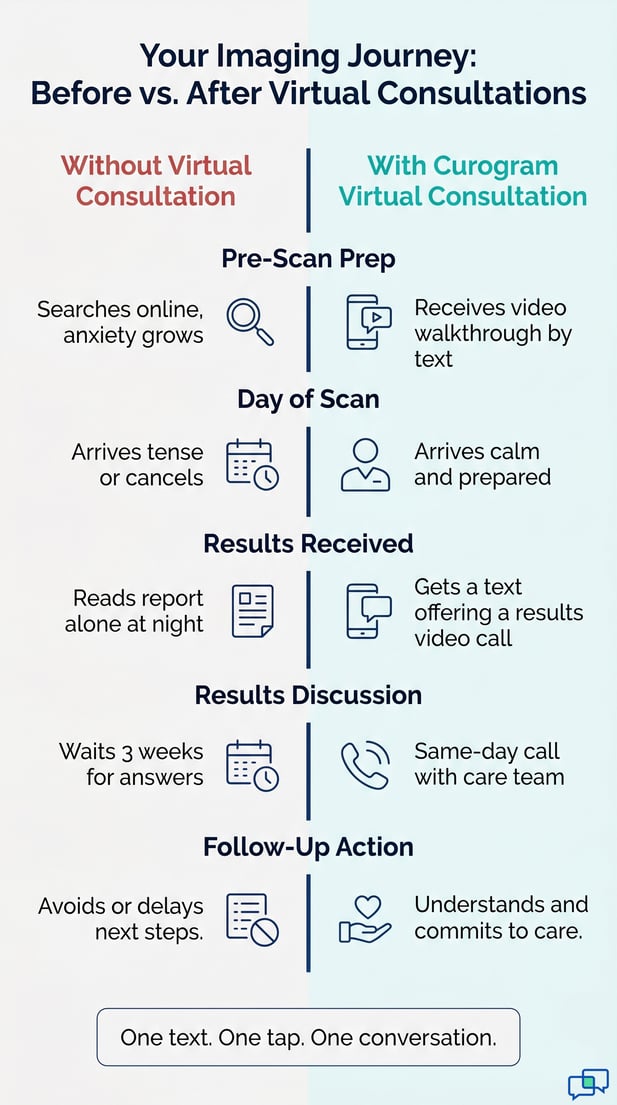
Table 2: Patient Journey Before and After Virtual Consultations
|
Stage |
Without Virtual Consultation |
With Curogram Virtual Consultation |
|
Pre-scan prep |
Patient relies on online research; anxiety grows |
Patient receives text walkthrough 48 hours before |
|
Day of scan |
Patient arrives tense or cancels entirely |
Patient arrives calm and prepared |
|
Results received |
Patient reads report alone, panics, turns to Google |
Patient receives text offer for results video visit |
|
Results discussion |
Wait 3 weeks for physician appointment |
Same-day or next-day video call with care team |
|
Follow-up compliance |
Patient avoids or delays next steps |
Patient understands and commits to care plan |
Conclusion: You Deserve to Understand Your Imaging
Imaging studies matter. They reveal what is happening inside your body. They guide life-changing decisions.
Patients deserve to understand what those images mean, and they deserve that understanding quickly.
Curogram's virtual consultation links give patients a direct, text-based path to the human connection they need at every stage of their imaging care. Before the scan. After the results. No apps. No long waits. Just one text and one tap.
Exa manages the imaging data with precision. Curogram manages the patient relationship, the reassurance before an MRI, the explanation after a CT scan, the brief conversation that turns a scary report into a clear plan.
Together, they close the loop that traditional radiology communication has always left open.
Your patients are already reading results alone at night. They are already anxious, searching online, and waiting weeks for answers. That does not have to be their experience.
Virtual consultations via text are not a luxury. They are what modern, patient-centered imaging care looks like. They are also what patients increasingly expect.
One text. One tap. One conversation. That is all it takes.
See how Curogram fills the Exa engagement gap. Schedule a demo and give your patients the conversation that changes everything.
Frequently Asked Questions
Your imaging center sends a text message with a secure link. You tap that link, and it opens a video call right in your phone's browser. No app download or login is needed. Within seconds, you are connected to a member of the imaging team who can answer your questions in real time.
Pre-scan virtual visits help patients understand what to expect during the procedure. A technologist can show you the MRI suite, explain the sounds, and walk you through the process before your appointment. This reduces anxiety, lowers the chance of cancellations, and helps the scan go more smoothly for everyone.
Radiology reports are written for medical professionals, not for patients. A virtual visit with a radiologist or care team member allows someone to translate that report into plain language. Patients learn what the findings actually mean, what comes next, and why a follow-up may or may not be needed.
Most people already use texting every day. It is private, convenient, and low pressure. A text link is easier to tap than navigating a phone tree or logging into a portal. It also reaches patients wherever they are, on their own schedule, rather than only when the office is open.
When patients understand their imaging results, they are far more likely to schedule and attend follow-up appointments. Virtual consultations reduce the confusion that leads to avoidance and delay. Patients who feel informed and supported by their imaging center trust the care they receive, which leads to better long-term health outcomes and stronger patient loyalty.