Skip to the main content.

10 min read

The Cost Benefits of a Paperless Medical Office: How it Drives ROI

The Cost Benefits of a Paperless Medical Office: How it Drives ROI
💡 The cost benefits of a paperless medical office include major cuts in supply costs, labor costs, and time spent on data entry. When medical practices use digital forms that link to their EMR, they cut paper and storage costs while boosting front desk output by up to 30%.

This shift removes the need for staff to type data twice, freeing them to focus on patient care. Digital intake also helps increase medical practice revenue by letting providers see more patients each day.

Practices save money on paper, ink, and filing space while also reducing billing errors that cause claim denials. The ROI of digital intake shows up fast on the balance sheet through lower costs and better cash flow. Going paperless is a simple, proven way to improve your medical practice bottom line without risky new tech.

Every sheet of paper in your waiting room costs more than you think. It needs ink, a clipboard, storage space, and someone to type it into your system. These small costs add up fast. Over time, paper forms become a quiet drain on your budget.

Many practice owners know they should go digital but worry about the switch. Will it take too long to set up? Will staff need weeks of training?

The good news is that modern tools make the shift simple. The cost benefits of a paperless medical office show up right away.

When you use online patient forms that sync with your EMR, you cut more than just paper costs. You also free up staff time. Your front desk stops typing the same data twice.

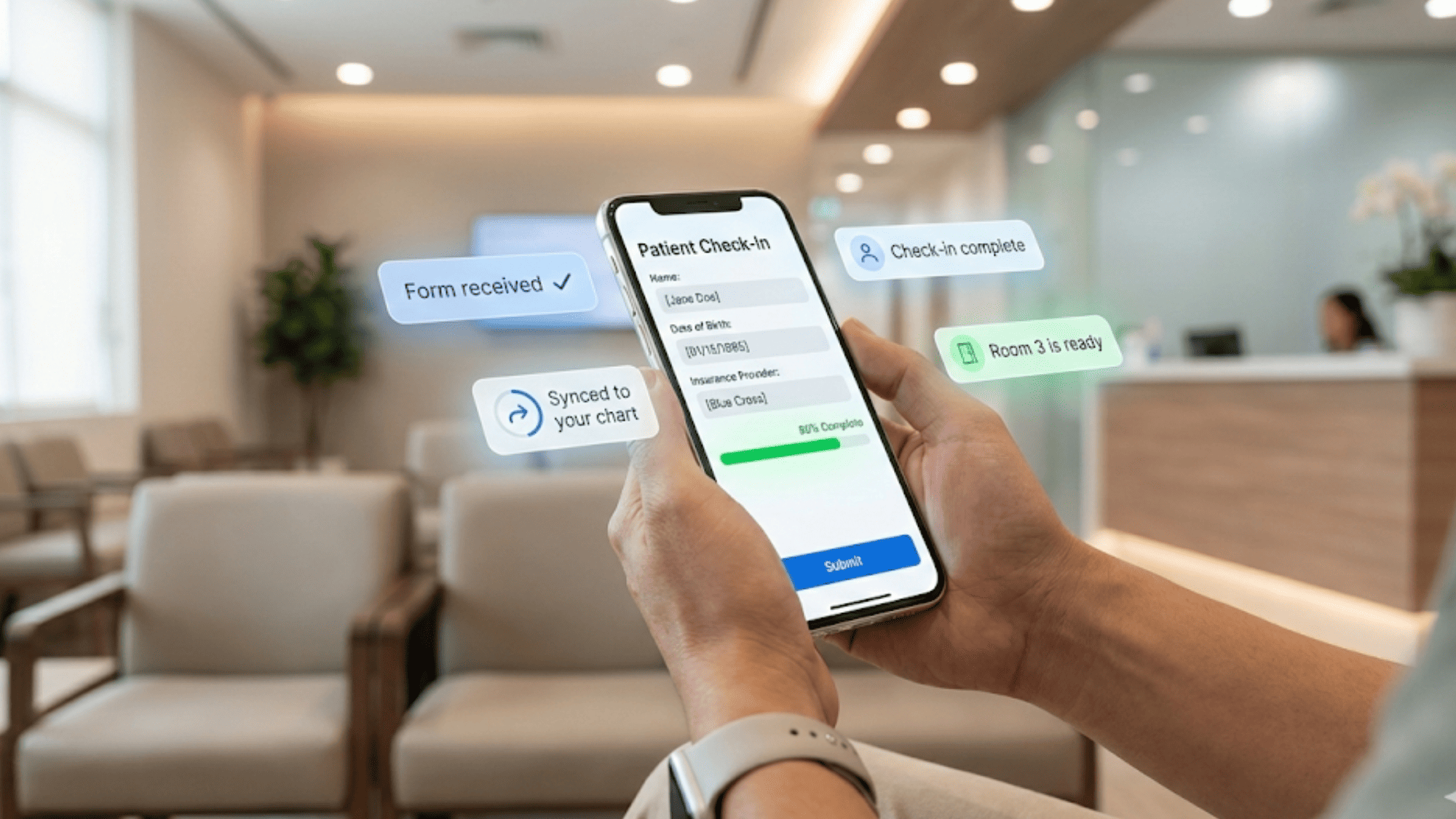
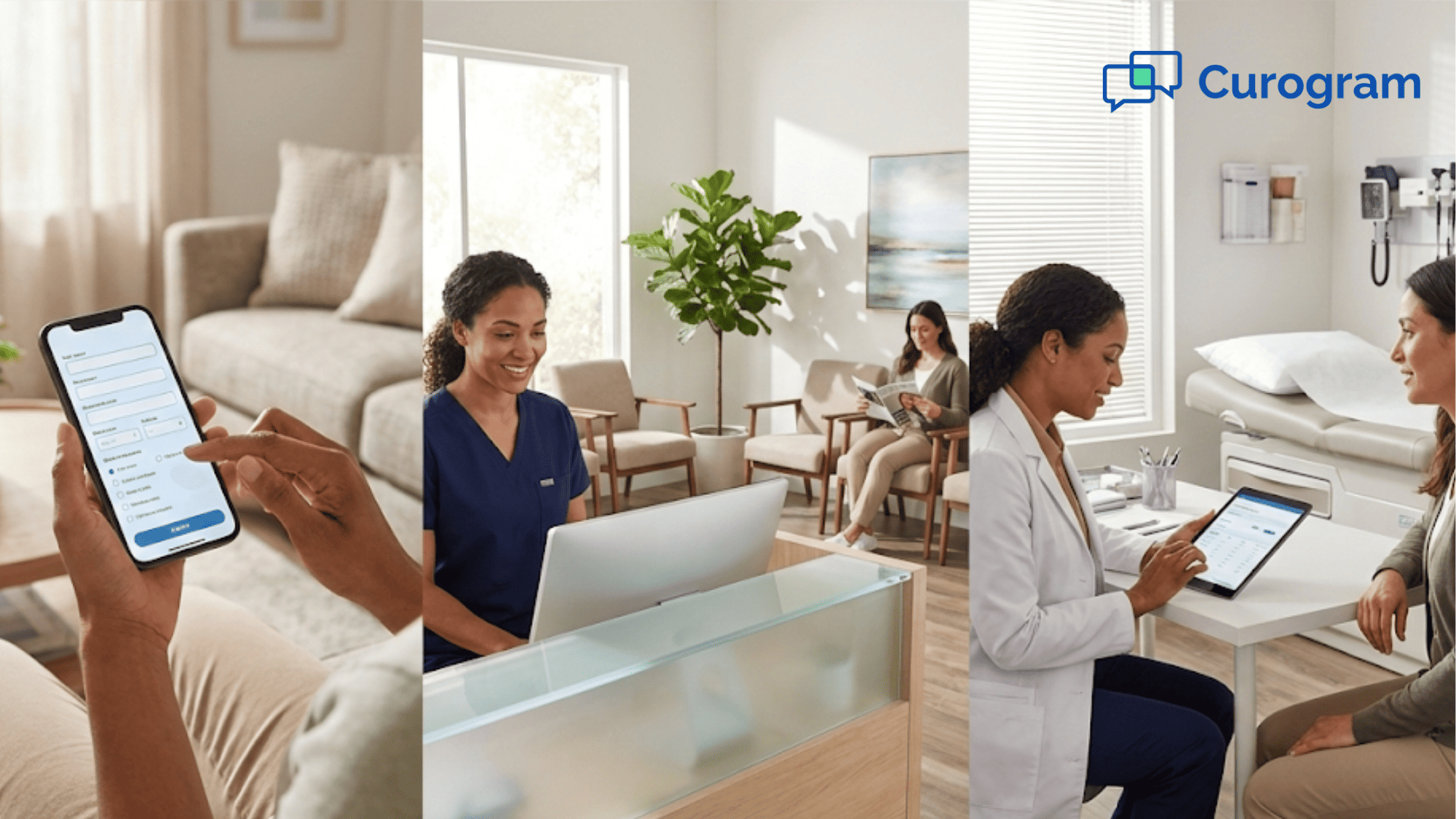
Patients finish forms on their phones before they arrive. Check-in moves faster. Rooms fill sooner. Providers see more patients each day.

This blog breaks down how digital intake helps reduce medical practice cost in clear, real terms. You will learn where paper bleeds money.

You will also see how smart forms create savings without big tech risks. And you will find out why the ROI of digital intake beats most other upgrades you could make.

If you want to increase medical practice revenue while cutting waste, digital forms are a strong first step. They work with almost any EMR. They take minutes to learn. And they start saving money from day one.

Let us walk through each way that going paperless boosts your medical practice bottom line. By the end, you will see why so many clinics now call paper their biggest hidden cost.

The Paper "Villain": The Hidden Financial Drain on Your Practice

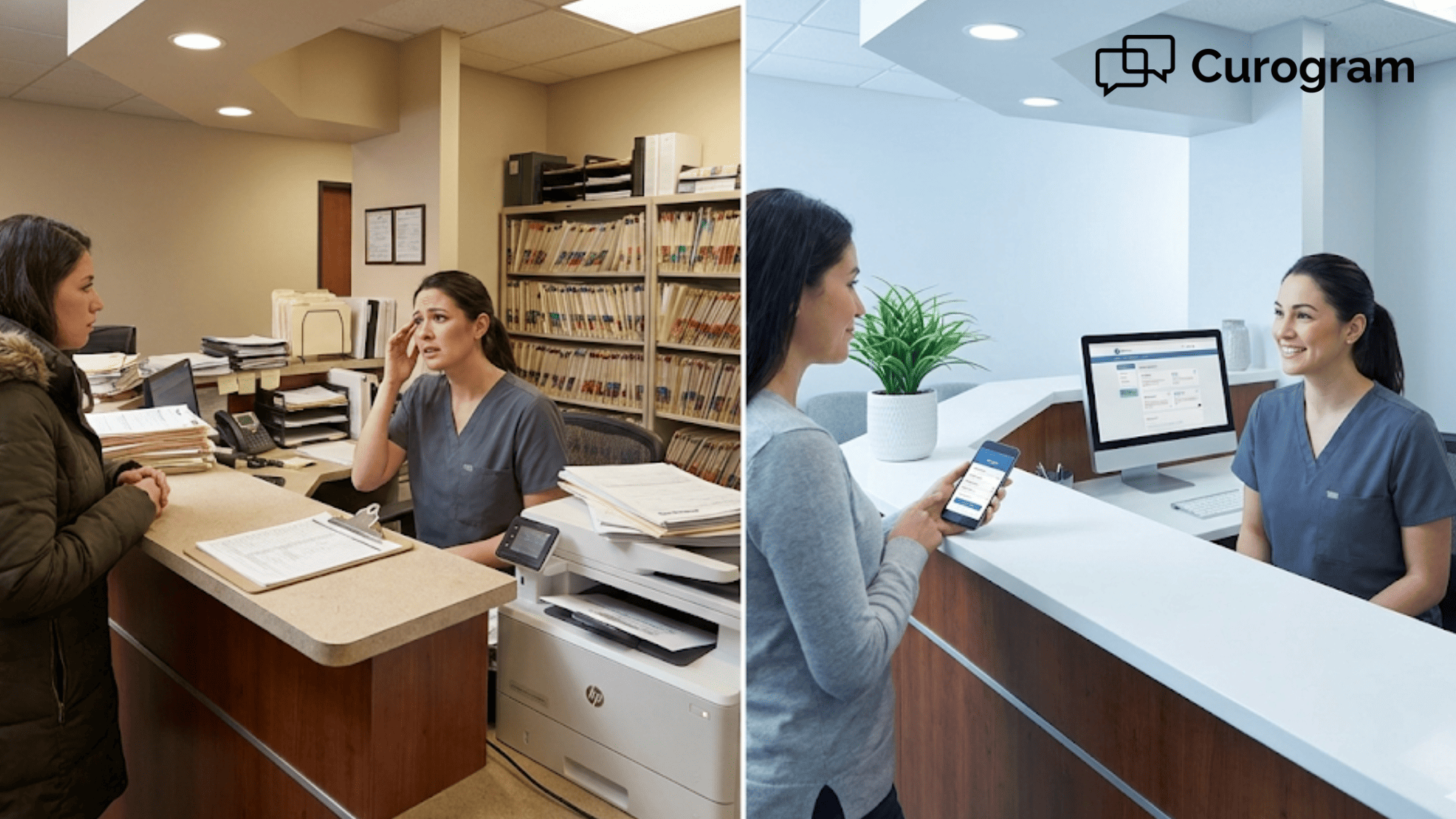
Paper may seem cheap, but its true cost hides in plain sight. Every form that moves through your office carries a price tag far beyond the sheet itself.

The High Cost of Physical Supplies

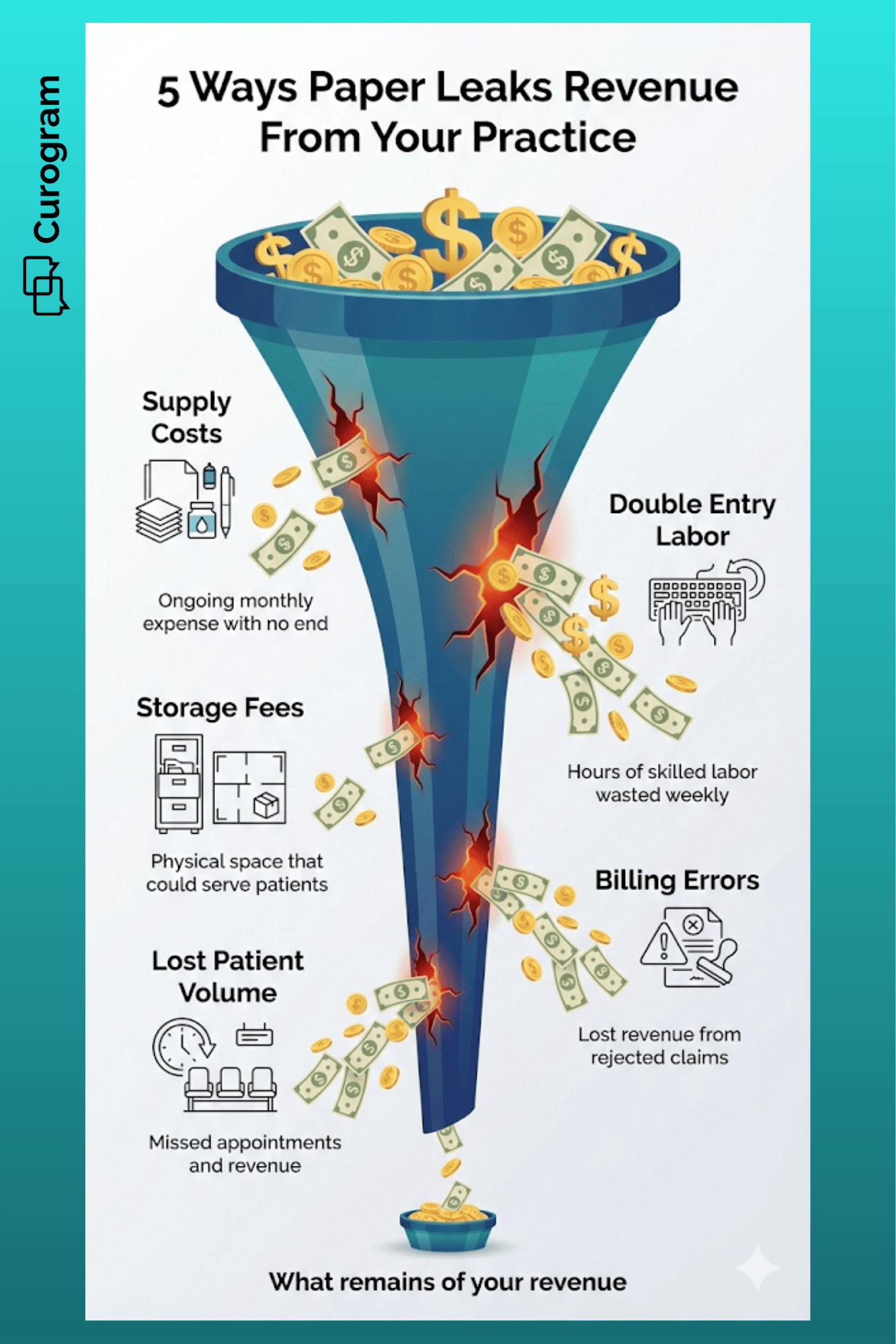
Think about what paper intake really needs. You buy reams of paper, ink, and toner every month. You need clipboards, pens, and folders.

You pay for filing cabinets that take up floor space. Storage rooms full of old records require rent, cleaning, and climate control.

A single patient visit might use three to five pages. Multiply that by dozens of visits per day and hundreds per month. Some clinics spend over $10,000 each year just on paper and ink. Add storage costs, and the number climbs even higher.

These costs never stop. They recur month after month, year after year. Unlike a one-time software fee, paper keeps draining your budget with no end in sight.

The Labor Tax

Now, consider what your staff does with all that paper. A patient fills out a form by hand. Your front desk team then types that same data into the EMR. This double entry eats up hours each week.

Skilled staff members spend time on a task a computer could handle in seconds. That time costs money.

If you pay someone $20 per hour and they spend 10 hours a week on data entry, that is $800 per month. That money could go toward patient care or growth.

Worse, tired eyes make mistakes. A wrong date or misspelled name can cause billing errors down the line. Those errors lead to claim denials and lost revenue.

The Revenue Leak of Inefficiency

Slow intake creates waiting room jams. When patients fill out forms on arrival, check-in takes longer. Exam rooms sit empty while the front desk catches up. Providers wait. Schedules fall behind.

This backlog limits how many patients you can see each day. Fewer visits mean less revenue. A practice that could see 40 patients might only see 35 because of paper delays.

Over a year, those five lost visits per day add up to thousands of dollars in missed income. Paper does not just cost money. It blocks you from earning more.

Revenue leak diagram illustrating hidden costs of paper intake in healthcare offices

The AI Speed Advantage Without the Experimental Cost

Many clinics hear about AI tools and feel torn. The hype sounds great, but the risks feel real. Costs run high. Setup takes months. Results are hard to predict. Digital patient forms offer a smarter path.

Predictable ROI

Unlike complex AI pilots, digital intake gives you clear and fast returns. You know what you will save on paper. You know how many hours staff will reclaim. The math is simple to track and prove.

There is no waiting for a new system to learn your data. No pilot phase that drags on. You launch, and savings begin. This makes digital forms a low-risk choice that impacts your balance sheet on day one.

For practices that want results without betting on new tech, this is a strong fit. You get modern gains with classic, proven tools.

High Interoperability

One big worry with any new software is whether it will work with what you already have. Digital forms from Curogram connect with almost any EMR. This means no custom coding and no long IT projects.

Data flows straight from the patient's phone to your system. No one types it twice. No files get lost between programs. This smart sync keeps records clean and saves time at every step.

You do not need to rip out your current setup. You just add a layer that makes it work better.

Staff Mastery in Minutes

New tools often mean weeks of training. Staff get pulled from their jobs to learn a new system. Productivity drops before it rises.

Digital intake is different. If your team can text, they can use these forms. The design is simple and clear. Most users feel at ease within a single shift.

This quick learning curve means you see returns faster. Staff stay focused on patients instead of manuals. The change feels smooth, not stressful.

Increasing Revenue Through Streamlined Patient Throughput

Cutting costs is only half the story. The other half is earning more from the time you already have. Digital intake opens doors to higher revenue without adding hours to your day.

Serving More Patients Day-Of

When patients fill out forms before they arrive, check-in takes just moments. Front desk staff confirm details instead of entering them from scratch. Rooms turn over faster. Providers move from one visit to the next with less wait time.

This speed lets you fit more visits into the same block of time. A clinic that sees one extra patient per hour across an eight-hour day could add eight visits. Even at modest fees, that adds up to real gains each week.

You also gain from last-minute slots. When a cancellation opens up, a streamlined intake lets a walk-in fill that spot quickly. Instead of lost revenue, you capture a new visit.

Capturing Accurate Data

When patients type their own info, you get cleaner data. Handwriting issues vanish. Typos drop. Names, dates, and insurance details arrive just as the patient entered them.

Clean data means fewer billing errors. Claims go out correctly the first time. Denials fall. Cash comes in faster. Your revenue cycle stays on track.

This accuracy also builds trust. Patients notice when their records are right. They feel cared for and are more likely to return.

Strengthening the Balance Sheet

Modern intake sends a message about your practice. It says you value time, both yours and the patient's. That image attracts new patients and keeps current ones loyal.

Satisfied patients leave good reviews. Those reviews bring in more patients. This growth costs you nothing extra but raises your revenue year over year.

A strong balance sheet comes from both cutting waste and building loyalty. Digital forms do both at once.


Lowering Operational Costs with EMR Integration

The magic of digital intake is not just in the form. It is in how that form talks to your EMR. When data flows without friction, costs drop across the board.

Negating Double Entry

Double entry is one of the biggest hidden drains in a medical office. Staff type the same info twice: once from paper, once into the EMR. This wastes hours every week.

With direct sync, patient data lands in your EMR the moment they submit it. No retyping. No copy errors. Staff can spend that time on calls, scheduling, or helping patients in the lobby.

If your front desk saves just one hour a day, that is five hours a week. Over a month, you gain 20 hours of labor for other tasks. Those hours add up to real savings.

Environmental and Financial Sustainability

Going paperless is good for the planet and your wallet. Less paper means less waste. Fewer ink cartridges end up in landfills. Storage rooms shrink or vanish.

This aligns with the core value of spending wisely. You invest in a tool that pays for itself. You also show patients that your practice cares about more than profit.

Many patients today choose providers who share their values. A paperless office can be a quiet selling point that sets you apart.

Optimized Resource Utilization

When staff stop shuffling paper, they can tackle more pressing tasks. They can call patients with test results. They can follow up on missed visits. They can greet new arrivals with full attention.

This shift improves the patient feel from the first step through the door. Calm and relaxed check-ins start visits on a positive note. Staff feel less rushed. Everyone wins.

Better use of your team's time is one of the fastest ways to reduce medical practice cost without cutting heads.

Digital patient form on mobile device showing seamless EMR integration in healthcare setting

The Marketing ROI of "Simple" and "Professional" Intake

Your intake process shapes how patients see your practice. A smooth, digital check-in tells them you are modern and capable. That image drives growth beyond the exam room.

Driving Organic Growth

Satisfied patients talk. When someone fills out forms on their phone in minutes, they notice. When they skip the clipboard line, they feel respected. That good feeling often leads to praise.

Patients who have a calm and relaxed intake are more likely to leave five-star reviews on Google. Those reviews show up when new patients search for a provider. More stars mean more clicks and more booked visits.

This organic growth costs you nothing but brings steady returns. Each good review acts like a small ad that works around the clock.

Lowering Patient Acquisition Cost

Getting new patients is pricey. Ads, mailers, and referral programs all cost money. A great intake process can lower those costs by doing the work for you.

A digital, professional front-end shows that your practice is competent and innovative. When prospects compare you to a paper-based clinic, you look like the smarter choice.

This first impression helps convert leads into visits. You spend less to win each new patient. Your cost per lead drops while your growth rises.

Increasing Market Presence

In a crowded market, small edges matter. Large systems often have more resources, but they also move slower. A nimble practice with streamlined workflows can compete on speed and feel.

Digital intake helps you punch above your weight. You offer the same smooth check-in that patients expect from big health networks. You meet their needs without the red tape.

This edge helps you stand out. Over time, your reputation grows. More patients choose you. Your medical practice bottom line gets stronger each year.

The Bottom Line: Faster Cash Flow and Reduced Waste

At the end of the day, every change should show up on the books. Digital intake does just that. It speeds cash in and cuts waste out.

Generating Immediate Cash Flow

Paper slows every step of the visit cycle. Forms take time to fill out. Entry takes time to complete. Billing takes time to process. Delays pile up, and payments lag.

Digital forms cut these delays. Data moves in real time. Claims go out sooner. Payments come back faster. Your cash flow stays healthy and steady.

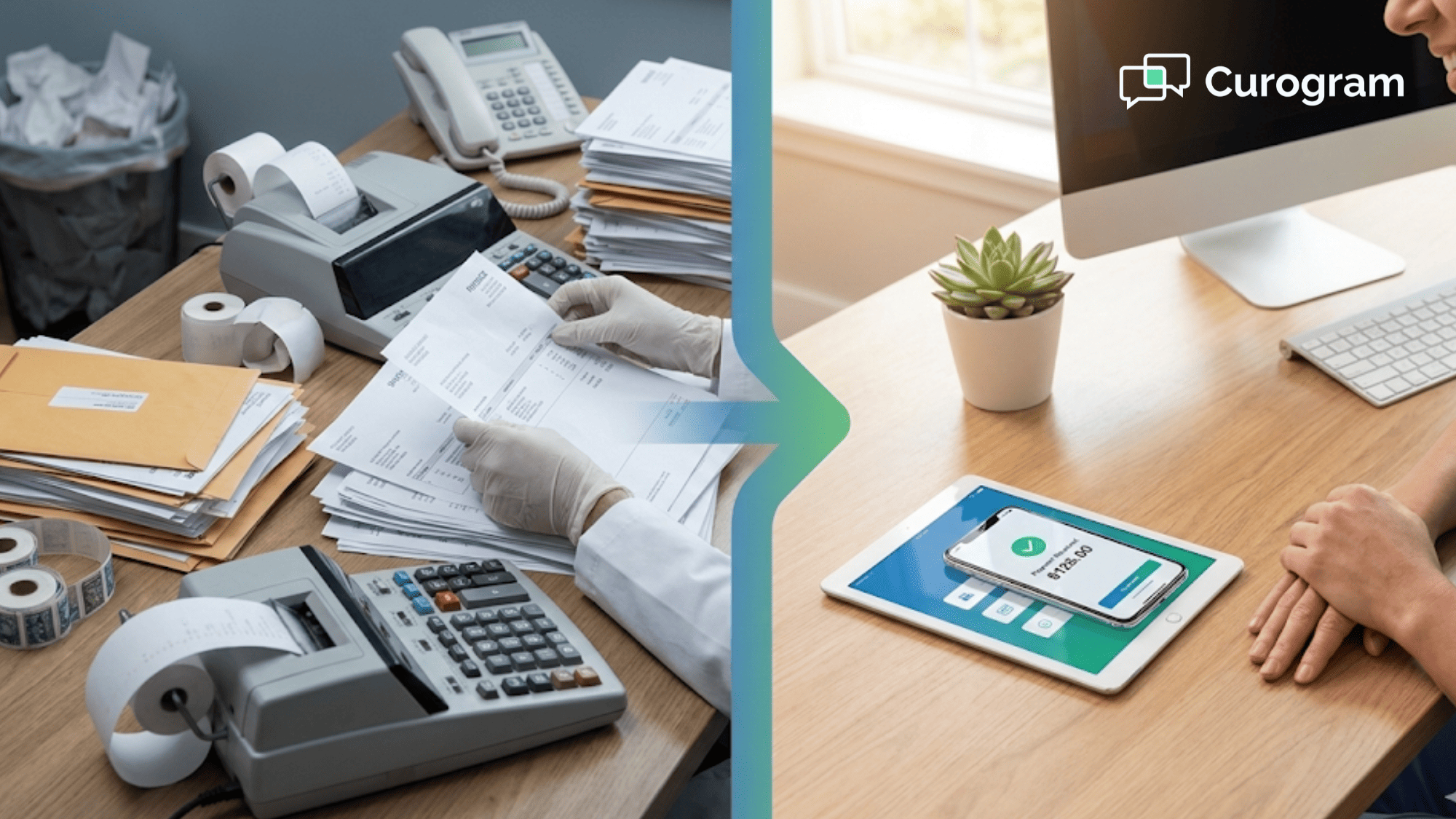
This speed also helps with patient balances. Text-to-pay options let patients settle up right from their phones. Fewer balances sit unpaid. Collections rates climb.

Faster cash flow means more room to invest. You can hire, upgrade, or grow without waiting for late payments to trickle in.

Confidence in Your Infrastructure

Running a practice is stressful. Worrying about whether your systems can keep up adds to that stress. A solid digital setup gives you peace of mind.

You know your intake can handle busy days. You know your data is clean. You know your staff has the tools they need. This confidence lets you focus on care, not chaos.

Modern intake also protects your profit margins. As costs rise elsewhere, digital tools keep your overhead in check. You stay lean while others struggle.

Investing in digital forms is a choice to spend wisely today so you can grow safely tomorrow. The ROI of digital intake is not a promise. It is a pattern that plays out practice after practice.

Want to see the real numbers for your own clinic? Use the Curogram ROI Calculator to find out how much you could save. Just enter your daily visits, no-show rate, and revenue per visit.


Why Curogram Is the Smart Choice for Going Paperless

Switching to digital intake is a big decision. You need a tool that works with what you already have, not one that forces you to start over. Curogram fits that need.

Curogram connects with almost any EMR. Your patient data flows straight from the form to your system. No extra steps. No custom coding. No long IT projects.

Setup is fast. Your staff can learn the platform in minutes, not weeks. The design feels like texting, so there is no steep learning curve. Your team stays focused on patients, not manuals.

The platform is HIPAA compliant, so patient data stays secure. You get the speed of modern tech with the trust your practice needs.

Curogram also offers two-way texting, automated reminders, and text-to-pay. These tools work together to cut no-shows, speed up payments, and keep patients engaged.

If you want to reduce medical practice cost and increase medical practice revenue without risky experiments, Curogram delivers. The ROI of digital intake starts from day one. 


Conclusion

Get Started

Paper is not just outdated. It is expensive. It costs you in supplies, labor, and lost time. Every form that passes through your office carries hidden fees that chip away at your profits.

The cost benefits of a paperless medical office go far beyond saving on reams and ink. Digital intake frees your staff from double entry.

It speeds up check-in. It lets you see more patients each day. It cleans up your data and cuts billing errors. Each of these gains adds money back to your bottom line.

Unlike flashy AI tools that need months to prove their worth, digital forms deliver right away. The ROI of digital intake shows up in your first month. Costs drop. Revenue rises. Cash flows faster. You spend wisely and see the results.

Your patients notice too. A smooth, modern check-in tells them you value their time. That good first feeling leads to better reviews and stronger loyalty. Over time, this builds your market presence and lowers your cost to bring in new patients.

Going paperless is not about chasing trends. It is about running a smarter practice. It is about using simple tools to reduce medical practice cost and increase medical practice revenue at the same time.

Curogram makes this shift easy. The platform links with almost any EMR. Staff learn it in minutes. Forms sync in real time. And your medical practice bottom line grows from day one.

Ready to stop the paper drain and start building a leaner future? Schedule a demo today and see how smart forms can change your practice for good.


Frequently Asked Questions

How quickly can a medical practice see ROI after switching to digital intake forms?
Most practices notice savings within the first month. Lower paper costs, reduced data entry time, and faster check-ins combine to create gains right away. Cash flow often improves as billing cycles shorten.
Why does double data entry cost so much for medical offices?
Staff must type the same patient info twice, from paper into the EMR. This wastes hours each week and leads to errors that cause billing issues. Removing this step saves labor costs and boosts accuracy.
How do digital patient forms help increase daily patient volume?

Patients complete forms on their phones before they arrive. This cuts check-in time, turns over rooms faster, and lets providers see more visits each day without working longer hours.

Why is EMR integration key for lowering a practice's operating costs?

Direct sync means data flows straight from the form to the EMR. No retyping is needed. This saves staff time, reduces errors, and keeps records clean for smoother billing and claims.

How does a paperless intake process improve online reviews and patient loyalty?

Patients notice when check-in is fast and easy. A smooth start makes them feel valued. Happy patients leave better reviews, which draws in new patients and builds long-term trust.


5 Ways Affordable Text-to-Pay Reduces Billing Costs for Clinics

5 Ways Affordable Text-to-Pay Reduces Billing Costs for Clinics

💡 Billing costs drain clinic budgets through paper, postage, and staff time, but affordable text-to-pay systems cut these costs by 90% while...

Read More
Online Patient Forms for Medical Practices: A Smart Paperless Solution

Online Patient Forms for Medical Practices: A Smart Paperless Solution

💡 Medical practices can cut waiting room delays and avoid data errors by using online patient forms for medical practices that link to their EMR....

Read More
Optimizing Clinical Operations with a Digital Patient Intake Workflow

Optimizing Clinical Operations with a Digital Patient Intake Workflow

💡 A digital patient intake workflow helps medical practices run better by letting patients fill out HIPAA-compliant forms via text before their...

Read More