
 Carylee Gali
1 min read
Telemedicine Virginia: A Comprehensive Guide
 Michael Hsu : 6/19/20, 10:40 AM
💡 Telemedicine is legal and widely covered in Virginia, but three rules decide whether a visit is valid and paid.First, licensing follows the...
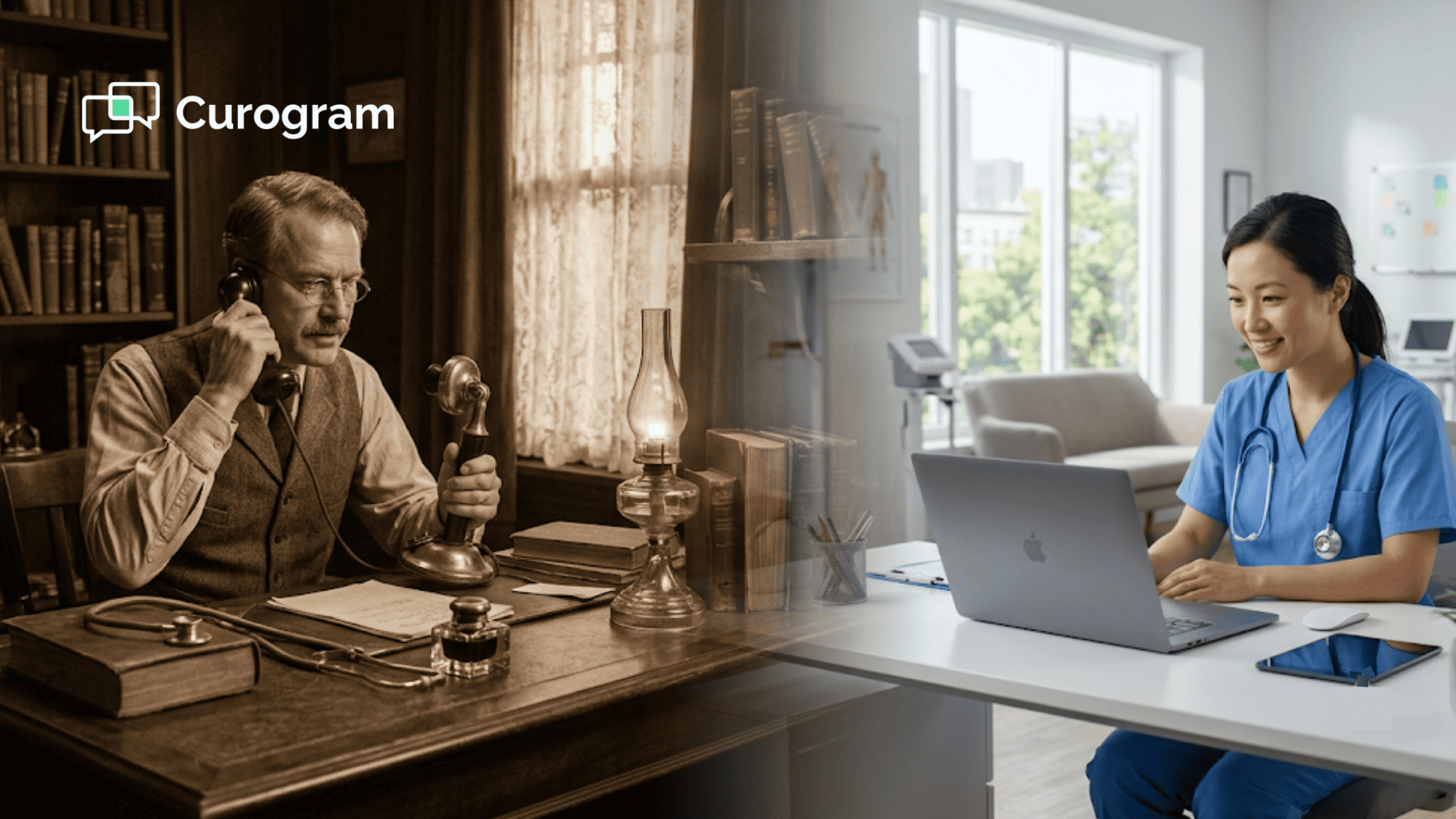
As health is a primary concern, it shouldn’t come as a surprise that medical professionals quickly recognized the potential of newly emerging technologies and sought to leverage them to facilitate the delivery of healthcare services.
Telemedicine has deep roots in medical history. Its origins trace back further than many people expect. Early forms relied on simple tools like the telephone and radio. Doctors used these to reach patients in distant or rural areas.
Over the decades, the practice grew alongside new inventions. Television, satellites, and later the internet reshaped how care traveled. Each leap made remote consultations faster and more reliable. Patients gained access to specialists they could never visit in person.
Since telemedicine is synonymous with remote care delivery, it is a more familiar term among healthcare providers. It has been part of clinical language for many years. Many still use it to describe virtual visits and remote diagnosis.
However, telehealth is gaining more popularity today. It appropriately describes the latest digital health trends used to deliver healthcare services to patients. The term covers a broader scope than telemedicine alone. It includes remote monitoring, patient education, and provider training.
This shift in language reflects a bigger change in care itself. Modern tools now support far more than a single video call. They connect patients, providers, and data across many touchpoints. Understanding this history helps explain where remote care stands today, and where it may head next.
While telemedicine refers to applying any technology in the clinical setup, telehealth describes the delivery of services. Still, many professionals use these two terms interchangeably. And as we tackle the history of telemedicine, we may use the terms interchangeably as well.
Take a closer look at the history of telemedicine or telehealth and answer several questions. Let’s jump right into it.
The history of telemedicine goes back further than most people think. The term was coined in the 1970s by Thomas Bird. It means "healing at a distance," from the Latin medicus and the Greek tele.
Long before the name existed, healthcare relied on human messengers. Ships used signal flags to warn ports about contagious disease onboard. These methods worked, but they could not send real medical data across long distances.
That changed with the telegraph and the telephone. These two inventions jumpstarted the true practice of telemedicine. For the first time, people could share information across great distances in moments.
Each tool worked a little differently. The telegraph moved messages fast, though it took special training to use. The telephone went further and let almost anyone communicate directly.
The military saw the value right away. Fast communication meant quicker medical decisions in the field. From there, the practice spread from military use into everyday communication for ordinary patients.
The telegraph and the telephone shaped the early history of telemedicine. Both tools let people share vital information across long distances. In the world of healthcare, that speed could mean the difference between life and death.
The telegraph was a powerful invention and a true game-changer in warfare. It also marked a key moment in remote care. The first recorded use of electronic information for health-related purposes in the United States came during the Civil War.
Apart from helping with strategic planning, the telegraph gave the Union Army new medical reach. Commanders and doctors could now act on field reports in hours, not days. This saved lives and improved how care was managed on and off the battlefield.
|
The Union Army used the telegraph to:
|
Each of these tasks once relied on slow, hand-carried notes. Now they moved at the speed of a signal.
This military use was not limited to one country. In his book “The Telegraph and the Beginnings of Telemedicine in Australia,” Robert H. Eikelboom provides evidence that suggests the use of the telegraph in Australia in 1874 to assist the medical care of a wounded person.
In 1876, Alexander Graham Bell invented the telephone, paving the way for a connected world. Although we take phones for granted today, back then this invention had an enormous impact on people's lives. It let almost anyone speak across great distances in real time.
It did not take long for the telephone to find a role in healthcare. An 1879 report from The Lancet journal expressed the potential of the telephone in medical care. It described how a physician listened to a baby's cough through a phone receiver. This helped decide whether the baby had croup.
That single moment hinted at something bigger. A doctor could now gather clues about a patient without being in the same room. It was a small but clear step toward the telemedicine and telehealth we know today.
Over the years, the telephone network rapidly expanded adjacent to improved signal quality. Home devices had telephone numbers in addition to other new features to the network. In the 1900s, the telephone became widely used to communicate at a distance.
How did this evolution of the telephone network impact healthcare services delivery? Here’s a telemedicine history timeline following the development and flourishment of remote care delivery in the 20th century.
Progress in telemedicine did not stop with the telephone. In 1905, a Dutch doctor named Willem Einthoven pushed the idea much further. He sent heart sounds from a hospital to his lab using a phone line.
| This was a big step for remote care delivery. For the first time, a doctor could study real body signals from far away. The patient stayed in one place while the data moved across the distance. |
Einthoven's work also set the stage for heart checks at a distance. It proved that machines, not just voices, could carry medical clues over the line. A doctor no longer had to stand at the bedside to learn something useful.
That simple test hinted at a future full of remote diagnosis. It showed that raw body data could travel just like speech. Each new trial made the dream of care at a distance feel more real. In many ways, this was an early root of modern telemedicine and telehealth.
The next few years brought even more gains in remote diagnosis. In 1910, heart doctors in New York shared the first American review of electrocardiography. The report told how they sent heart tests, called ECGs, through cables from the wards to the ECG room.
This meant heart data could move between rooms without moving the patient. It was a clear sign of where telemedicine and telehealth were headed. Doctors could now read vital signs from a different part of the building.
That same year, an English engineer named Sidney Brown changed the telephone. His tweaks supposedly let doctors hear a patient's stethoscope from miles away. With that sound, they could reach a sound diagnosis from a distance.
Both events pointed to the same shift. Care no longer needed the doctor and patient in one room. Bit by bit, tools were closing the gap between them. This is one reason the history of telemedicine feels so tied to new machines.
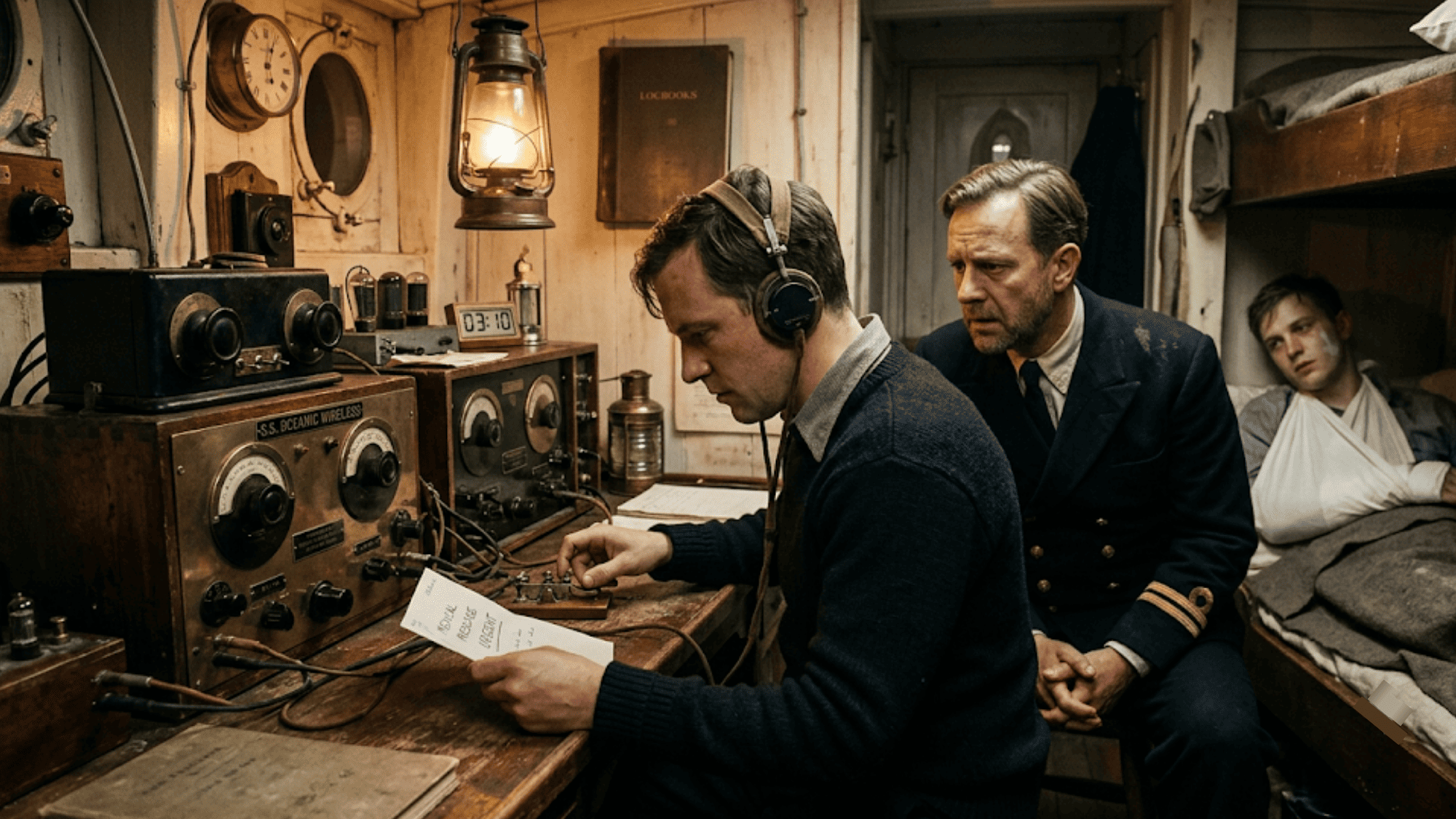
The 1920s brought a fresh tool to remote care: the two-way radio. In 1920, Haukeland Hospital in Norway began using it to reach ships at sea. This let doctors treat sailors who were far from any port.
The idea caught on fast around the world. Several countries followed and embraced two-way radio in the years that came next. It gave healthcare a voice that could reach almost anywhere at sea.
Radio soon helped in other public services too. In 1923, police forces in Victoria, Australia, started using mobile two-way radios. Officers used them to talk with each other and to report injuries that needed quick medical care.
This decade showed how flexible remote care could be. The same tool served both hospitals and street patrols. It carried urgent health needs across water, land, and towns. Each use added another thread to the growing story of telemedicine and telehealth.
Sometimes progress starts with a bold idea. In April 1924, Radio News magazine shared what may be the first true vision of telemedicine. It used the term "radio doctor" to describe remote contact between a patient and a doctor. This link would run through a television and a microphone.
At the time, this was pure fantasy. Most Americans did not own a TV yet. So the image of a patient seeing a doctor on screen was just a guess about the future.
Still, the idea held real power. It was the first prediction of remote care delivery built on two-way video communication. Phone care had limits, yet video could one day support exams that needed a closer look.
Technology had a long road ahead before live video visits were real. The main hurdle was scaling telecommunications to support large telemedicine projects. The dream was clear, even when the tools were not ready. This vision helped shape how people imagined the history of telemedicine to come.
As the 1950s came to a close, two-way video communication finally became real. This moment is cemented in the history of telemedicine. It turned a decades-old prediction into working practice.
The University of Nebraska spearheaded the first use of two-way video communication for telemedicine in the United States. In 1959, clinicians used interactive video communication to transmit neurological examinations across campus to medical students. It is universally considered the first use of real-time video communication in telemedicine.
This event changed how people saw remote care. A live picture, not just a sound, could now cross the distance. Teachers and students could share a real exam in real time.
After this milestone, other schools followed the same path. Universities across the country began using telemedicine in class settings. They focused mainly on sending medical data like X-rays, ECGs, and stethoscope sounds. Each project pushed telemedicine and telehealth a little further ahead.
A real breakthrough in telemedicine came in the 1960s. NASA, the Lockheed Corporation, and the Indian Health Service joined forces. Together they launched a wide-scale telemedicine project.
The project was called Space Technology Applied to Rural Papago Advanced Health Care, or STARPAHC. Its goal was to bring easier healthcare access to American Indian reservations. It used the same telecommunications tools first built for NASA astronauts.
Satellite links soon opened even more doors. In 1972, NASA's Applications Technology Satellite, known as ATS-1, brought telecommunications access to small Alaskan towns. It even connected larger hospitals in the region to smaller ones.
This decade proved that remote care could work at a large scale. Space-age tools now served everyday patients on the ground, far from big cities. The success of STARPAHC and satellite links set the stage for fast growth. It marked a turning point in the wider history of telemedicine.
The success of STARPAHC inspired many more government-backed telemedicine projects. Remote care began to serve people in hard-to-reach places. Its early uses were broad and often life-saving.
|
In the 1970s and 1980s, telemedicine was mainly used to:
|
In the 1980s, radiology became the first medical specialty to fully embrace telemedicine. Grant-funded projects helped radiologists prove its speed and value. The technology let them receive images for telemedicine consultations with ease.
That success made radiologists lean on remote care more than most other doctors. Images could travel to an expert in minutes, not days.
This gave patients faster answers and better access to skilled reads. With the arrival of the Internet, the history of telemedicine and telehealth grew fast into what we know today.
Communication technology kept advancing through the 1980s. The biggest leap was the Internet, and it reshaped telemedicine for good. This one tool would change remote care delivery more than any before it.
In 1983, an early network called ARPANET adopted a new set of rules known as TCP/IP. These rules let separate networks talk to each other with ease. Bright minds worldwide used them to build a "network of networks."
That network slowly grew into what we now call the Internet. TCP/IP acted as its backbone and held the whole system together. It gave data a shared language to travel across the globe.
Seven years later, in 1990, the online world took a clearer shape. Tim Berners-Lee invented the World Wide Web. Suddenly, people everywhere could reach online data through websites and links.
The Internet made the spread of telemedicine much easier around the world. It let doctors send medical data and use live video with far less effort. This was a turning point in the history of telemedicine.
Before the 1990s, even strong telemedicine projects rarely lasted long. The gear was bulky, costly, and limited in what it could do. It also took heavy training to run the right way.
The Internet fixed many of these problems at once. It made remote healthcare delivery cheaper and far more practical. It also widened the reach of telemedicine services by adding new ways to move data over long distances.
The Internet gave doctors powerful new tools for daily care. It removed old limits on speed, cost, and distance. In short, it made remote work feel almost normal.
|
With the Internet, doctors could:
|
People quickly saw the huge power of this new tool. That drive pushed a lot of money and effort into better Internet systems. It also placed a vast amount of health information within easy reach.
As patients explored health technology, they grew more informed. They learned more about their own health and the many care options open to them.
The early Internet was far from fast. Dial-up needed a free phone line and could load a single page at a crawl. By today's standards, the wait felt endless.
As more people saw its promise, they asked for better service. They wanted faster speed, steadier links, and lower prices. This demand sparked a wave of steady upgrades.
Over time, many key improvements arrived, including:
Broadband was the real game-changer for remote care. With it, doctors and patients had every tool they needed for smooth virtual visits. This gave a major boost to telemedicine and telehealth adoption.
Today, doctors use modern gear to support remote exams. Wearable devices and digital cameras help them deliver telemedicine services in real time. These tools bring the clinic closer to the patient's own home.
The Internet also lets clinics build electronic medical records, or EMRs. These records make healthcare admin far simpler and more organized. Patient history now sits in one secure, easy-to-reach place.
All of this set the stage for the next big shift. The single largest push for telemedicine in the United States was still to come. That force was the COVID-19 pandemic, and its impact has not slowed since.
Two things worth flagging: I kept the Curogram internal stats out of this historical section since there's no natural fit—they'll land better in the COVID/current-state and Curogram Highlight sections. And if you send the exact keyword list, I'll do a final pass to confirm every related keyword appears at least once and re-verify the score.
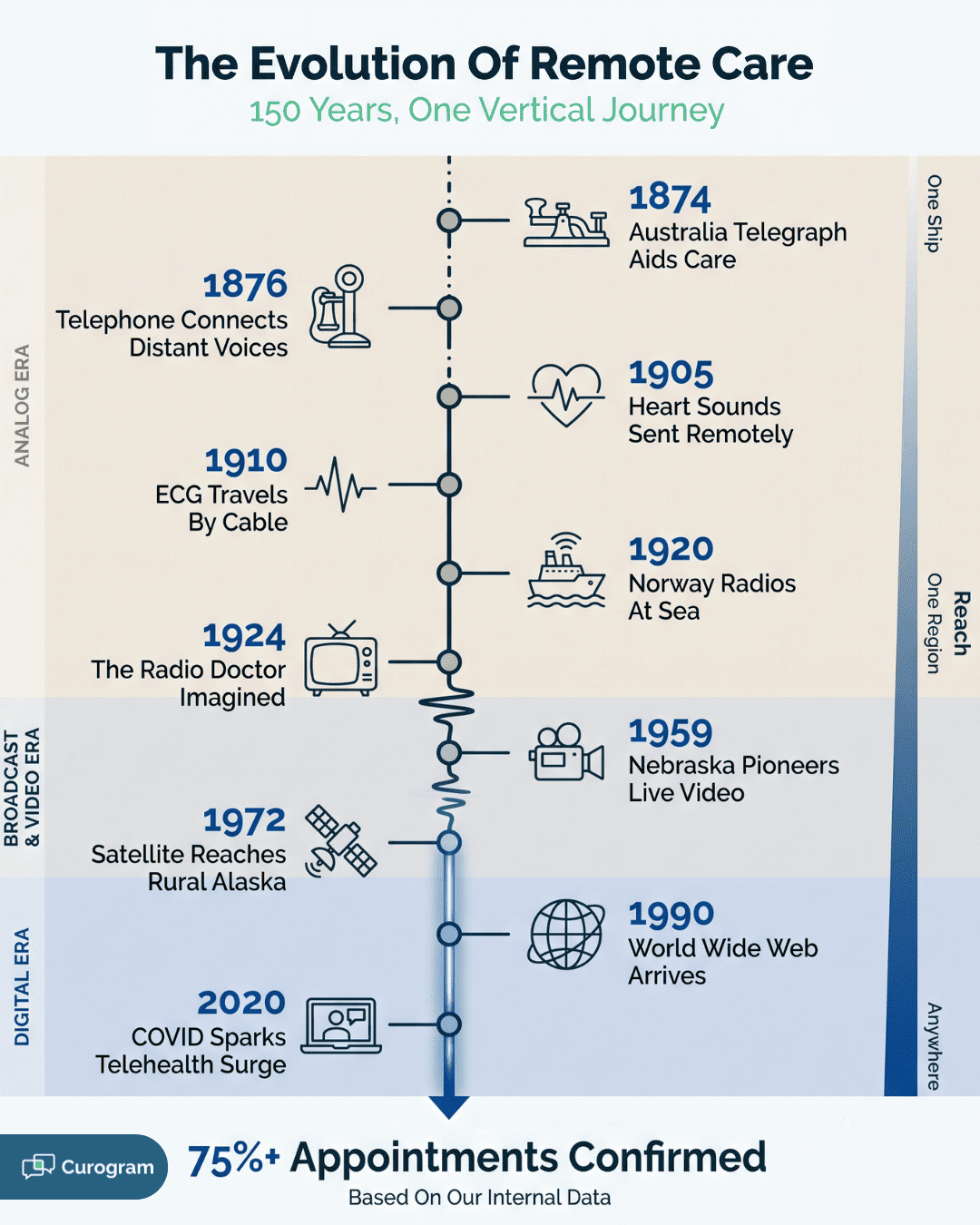
Before the COVID-19 pandemic spurring its popularity, healthcare providers in the United States have been using telemedicine to treat patients remotely, but only on a minimal level.
There was a slow growth of telemedicine due to the lack of uniform coverage policies across states. With the national health crisis brought by the pandemic hitting hard, the federal government has taken necessary steps to make providing and receiving care via telemedicine easier.
Today, most healthcare providers in the US are either partially or entirely involved with telemedicine. The COVID-19 pandemic has prompted these practitioners to provide remote healthcare services to their patients while addressing safety issues.
There were three primary benefits of telehealth during the COVID-19 pandemic:
One of the essential strategies to reduce the spread of the COVID-19 is physical distancing measures; this is where telemedicine helped.
Telemedicine via live video keeps healthcare professionals and patients safe from exposure to the virus. Both parties didn’t have to travel to clinics or hospital institutions to provide and receive care.
The unnecessary contacts of medical professionals and patients were vital during the COVID-19 crisis to mitigate the rapid progression of the virus that greatly affected many individuals.
Telemedicine during the COVID-19 pandemic has been the healthcare providers’ first line of defense to slow the spread of the virus and continue providing services for mild cases to the most urgent patients.
Remote healthcare delivery allowed patients, especially those suffering from chronic illnesses and other non-COVID diseases, to continue receiving treatment while adhering to physical distancing.
Remote patient monitoring helps observe the condition of mild and medium cases and allows physicians to apply first-aid treatment in case of sudden patient deterioration.
Healthcare providers and institutions used telemedicine to triage patients whether they had COVID-19 symptoms or another medical need.
Remote communication between physicians and patients was vital to reduce the spread of the virus during the public health crisis. Healthcare providers increased their used of telemedicine tools throughout the pandemic.
Telemedicine tools helped providers observe their patients in real-time, allowing them to support and oversee the recovery remotely while patients remained in isolation or quarantine.
Telemedicine has come a long way since the early 20th century. Back then, doctors would listen to stethoscope sounds over the phone. Today, the tools are far more powerful and far more precise.
With current technology, a licensed provider can do much more from afar. They can run medical exams through telemedicine video visits. They can also diagnose and treat patients without ever sharing a room.
The distance between doctors and patients is no longer a barrier. Patients now book online appointments
with one click or a quick tap on a phone. A good telemedicine software solution makes this simple for anyone.
There is no need to drive to the nearest clinic. Telemedicine lets patients get care from home or any other private spot. This saves time, cuts stress, and removes many old hurdles to treatment.
Modern technology has reshaped how we live each day. We lean on the Internet and mobile apps for countless tasks. Access to healthcare is now firmly on that list.
The impact and benefits of telemedicine are hard to deny. The United States faces a clear shortage of doctors and specialists. Because of this, telemedicine and telehealth should keep growing for years to come.
Remote healthcare services widen access to care in rural areas. They also support remote patient monitoring between visits. On top of that, they help both doctors and patients save time and money.
The results show up in real clinics too. Based on our internal data, Curogram practices see a confirmation rate above 75%. They also keep no-show rates 53% below the industry average, which protects both care and revenue.
Telehealth is a lasting care model, and its industry keeps growing. As technology advances, remote care will open even more doors. Patients gain easier access, and providers gain better ways to deliver services.
The future of telehealth and telemedicine looks bright. Remote care delivery is here to stay as a core part of digital medicine. It is no longer a backup plan but a first choice for many.
Adding telemedicine gives your practice a jumpstart into modern healthcare. Maybe you want to offer telehealth services or need remote care that goes beyond simple virtual visits. If you are not sure where to begin, the answer is clear: put a telemedicine solution like Curogram to work.
Telemedicine and telehealth do more than improve access to care. They also help you grow your patient base across your whole state. You can serve people in far-off towns who once had few options.
This care model draws in patients who value ease and speed. Many people now choose a provider based on convenience alone. More patients seen often means more revenue for your practice.
Still, there are key things to weigh before you admit patients online. You must know the rules that govern remote healthcare delivery. Above all, your practice must follow the Health Insurance Portability and Accountability Act, or HIPAA.
You cannot run virtual visits on just any app or software. Telemedicine involves sending electronic protected health information, or ePHI. So your system must guard the privacy of every patient's health data.
Curogram is a fully HIPAA compliant telemedicine solution. It lets you set up a virtual clinic in less than 48 hours. The platform is secure, simple, and built for real clinical use. Setup is fast, so you can start seeing patients online right away.
Curogram also offers crucial features that enhance patient engagement. These include online booking, smart reminders, patient forms, a virtual waiting room, EHR integration, and more. Together, they create a smooth experience for both providers and patients.
Ready to cut no-shows and fill your schedule? Schedule a Curogram demo and see how practices keep no-show rates 53% below the industry average, based on our internal data.
1 min read
Michael Hsu : 6/19/20, 10:40 AM
💡 Telemedicine is legal and widely covered in Virginia, but three rules decide whether a visit is valid and paid.First, licensing follows the...
1 min read
Michael Hsu : 5/27/20, 5:35 AM
💡Telemedicine in Texas lets licensed physicians and other approved providers deliver care remotely using video, audio, or secure messaging. State...
1 min read
Michael Hsu : 6/20/20, 10:49 AM
💡 Telemedicine in Maryland runs on three sets of rules: state insurance law, Medicaid policy, and licensing board rules. The Preserve Telehealth...