
Delivering Radiology Virtual Consults with Telehealth in Ramsoft
Learn how radiology networks using Ramsoft simplify follow-ups and patient consults with Curogram’s secure telehealth platform.
9 min read

Use Exa virtual care to schedule secure video follow-ups.
Discuss results and next steps without extra trips.
Support online imaging consults between locations.
Reduce missed follow-up visits caused by distance or time.
Give your team one place to manage imaging and telehealth workflows.
Curogram connects to Exa and helps you modernize radiology follow-ups with ease.
After an imaging study is done, the most important moments often happen later. Patients wait for results, wonder what they mean, and try to plan their next steps. If your follow-ups require another in person visit, many people struggle to return.
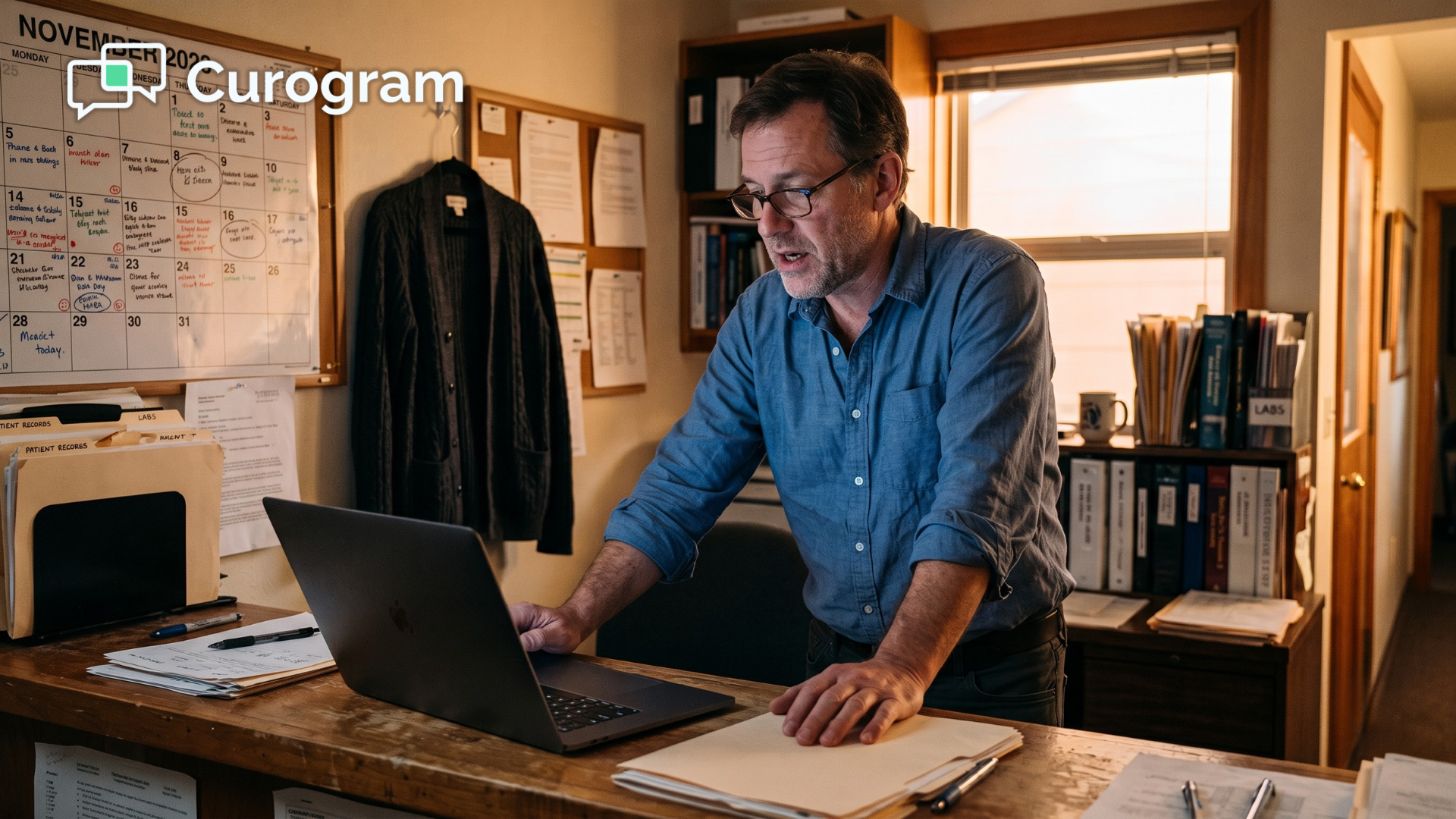
Work schedules, driving distance, and caregiving duties all get in the way. You see missed appointments, and repeated phone calls as staff try to reach patients.
Virtual visits in Exa give you another path. Instead of asking patients to return for every discussion, you connect through video. You can schedule follow-ups, talk through images, and answer questions during the call. Virtual visits also make it easy for radiologists and providers to work together. Even when they work in different locations, they can join through a secure link. This smooths out gaps that usually slow down decision making.
In this blog, we discuss the challenges you face without integrated telehealth. Let's learn how to streamline follow-ups by linking secure visits to workflows. By the end, you'll find easy steps to bring telehealth into your own radiology center.
Previously, we covered in detail the importance of HIPAA-compliant telehealth for Exa radiology clinics. If you rely only on in person follow-up visits, you already know how fragile that system can feel. Many patients want to understand their results but cannot easily return. Some live far from your imaging center. Others depend on family members for transportation or must miss work to attend another appointment. For them, a follow-up visit may feel like a burden instead of support.
As a result, you may see low follow-up completion rates. Patients plan to come back and then cancel, reschedule, or simply do not appear. Staff spend time calling, leaving messages, and sending letters, all to try to recover lost visits. This creates emotional strain for your team. They know these conversations matter but cannot change the fact that life gets in the way for many patients.
Result discussions can also become fragmented. Without a structured way to hold virtual conversations, you may rely on phone calls that feel rushed and one sided. Patients cannot see their images while you talk. They may have trouble focusing if they are at work or in a noisy environment. Important details can be missed because it is hard to share complex visual information over voice alone.
Another challenge appears when you manage care across locations. Radiologists, referring providers, and patients may all be in different places. Without integrated telehealth, you might use separate tools for video, phone, and messaging. Each tool has its own logins, links, and workflows. This increases the risk of missed connections and technical problems. It also makes it harder for staff to support providers who are trying to join calls from different devices.
Finally, documentation becomes more difficult when virtual care is not built into your imaging system. Notes from phone calls or external video tools may not connect directly to the imaging record. Staff must remember to copy information into Exa or into your reporting system. This extra step introduces the risk of incomplete records.
Curogram helps you bring telehealth into the same space where you already manage imaging. Instead of using a separate platform, you can launch virtual visits directly from Exa workflows. When a follow-up is needed, staff schedule a visit and send a secure link to the patient. At the appointment time, you open the session from inside your existing system.
With Exa virtual care, you can plan follow-ups that match the type of study and the needs of each patient. For a simple exam, you might schedule a short video visit to confirm normal results and answer basic questions. For more complex studies, you can use online imaging consults to walk through images together. You can share your screen, point to important findings, and explain how they connect to symptoms and next steps. This visual connection helps patients understand what they are seeing and why your recommendations matter.
Curogram also supports scheduling workflows that fit the way radiology practices operate. Staff can coordinate times that work for both radiologists and patients, even across different locations. They send reminders with simple instructions on how to join the visit. Patients click a link from their phone, tablet, or computer. They do not need to download special apps or remember extra passwords. This simplicity is important because it lowers the barrier to joining a virtual visit.
Documentation becomes clearer when telehealth is integrated with your imaging platform. You can capture notes from the virtual visit in the same place where you store images and reports. Staff can see when follow-ups happened and what was discussed. This improves continuity of care and makes it easier to share information with referring providers.
Most of all, integrated telehealth gives your team a stable workflow for result discussions. Instead of improvising each time, you follow a process that is repeatable and clear. Patients know what to expect, and staff know how to support them.
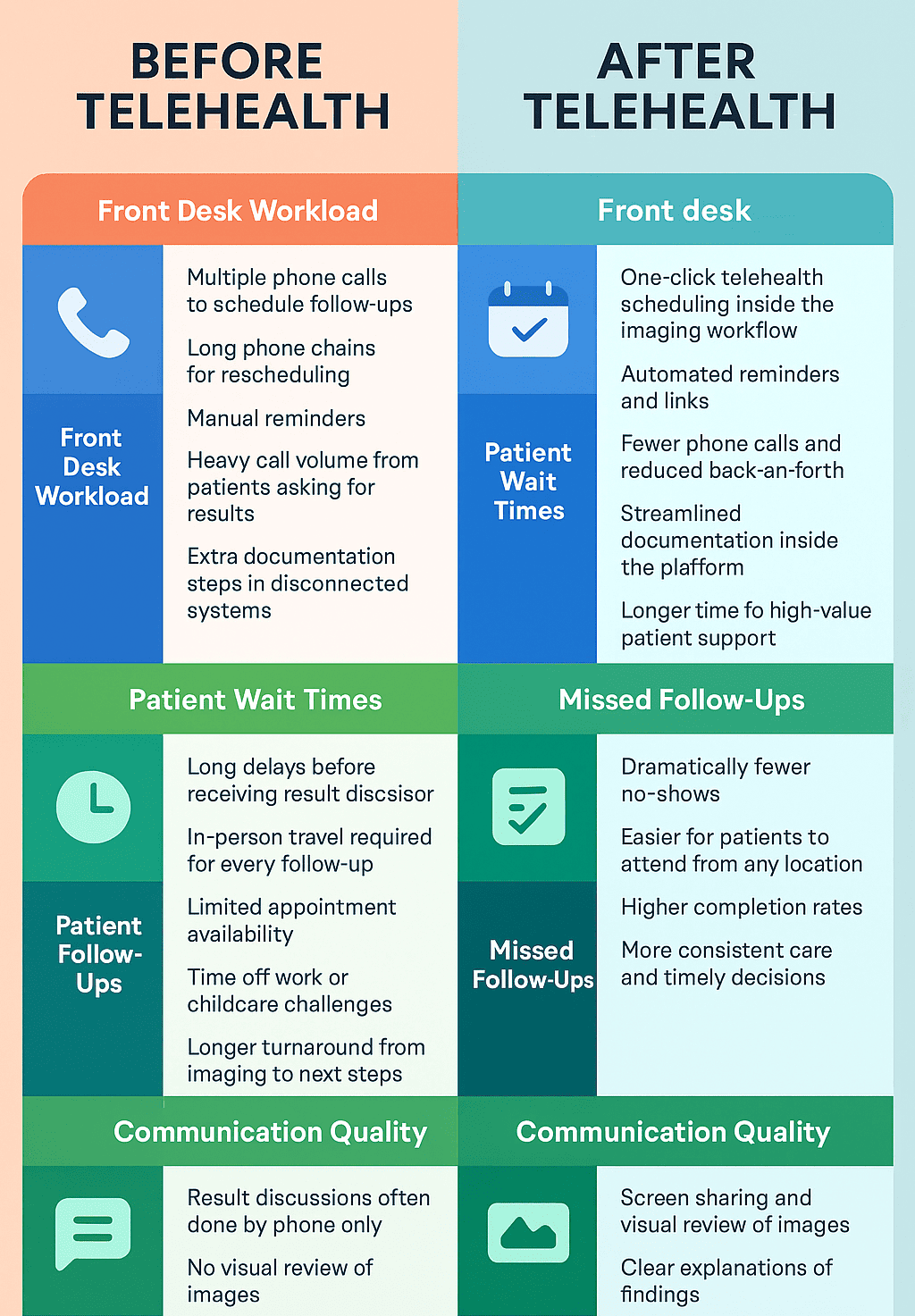
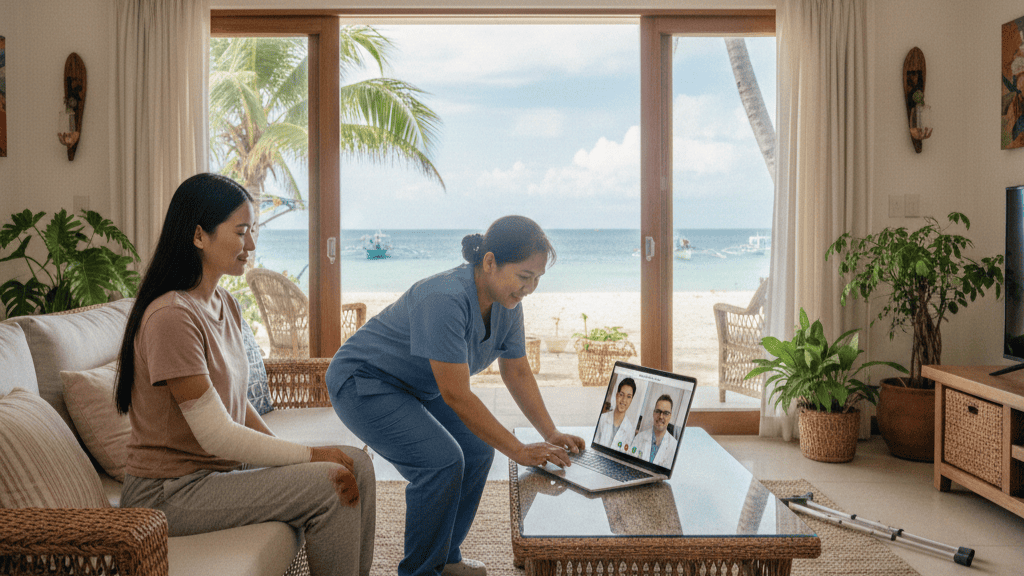
When you use virtual visits Exa radiology workflows, you remove some of the biggest barriers to follow-up care. Patients no longer need to arrange transportation or take as much time off work. They can join from home, from a private room at work, or from another safe space. This flexibility helps more people complete follow-ups that they might otherwise skip.
Telehealth visits make it easier to schedule result discussions soon after imaging is complete. Instead of waiting for an open in person slot, you can offer a virtual time that fits both your schedule and the patient’s day. Studies have shown that telehealth follow-ups can maintain high satisfaction while saving significant travel time. This means patients receive answers sooner and feel less anxious while they wait.
Exa virtual care helps you use radiologist time more efficiently. Radiologists can join visits from reading rooms or remote locations without leaving their workstations. They can review images and speak with patients or referring providers in a focused block of time. This reduces interruptions and helps them maintain a steady reading workflow.
Video visits allow you to share images on screen and explain findings in simple language. Patients can see what you are talking about instead of trying to imagine it over the phone. They can ask questions in real time and read your facial expressions. This kind of communication builds trust and helps patients feel that you are present with them, even when you are not in the same room.
Online imaging consults make it easier for radiologists and referring providers to talk together. You can review images as a group and decide on next steps before speaking with the patient. This reduces back and forth phone calls and email threads. It also supports more unified messaging when you explain the plan to the patient during a virtual visit.
Virtual follow-ups are easier to keep than in person ones. Patients do not have to travel or arrange childcare. If something changes, it is often simpler to adjust a video visit time than an in office slot. This flexibility can help you see higher follow-up completion over time.
When telehealth is integrated into your imaging platform, staff have fewer separate tools to manage. They do not need to create video links by hand or track visits in multiple systems. This reduces confusion and the risk of mistakes. It also frees time for staff to focus on guiding patients who need extra help joining visits.
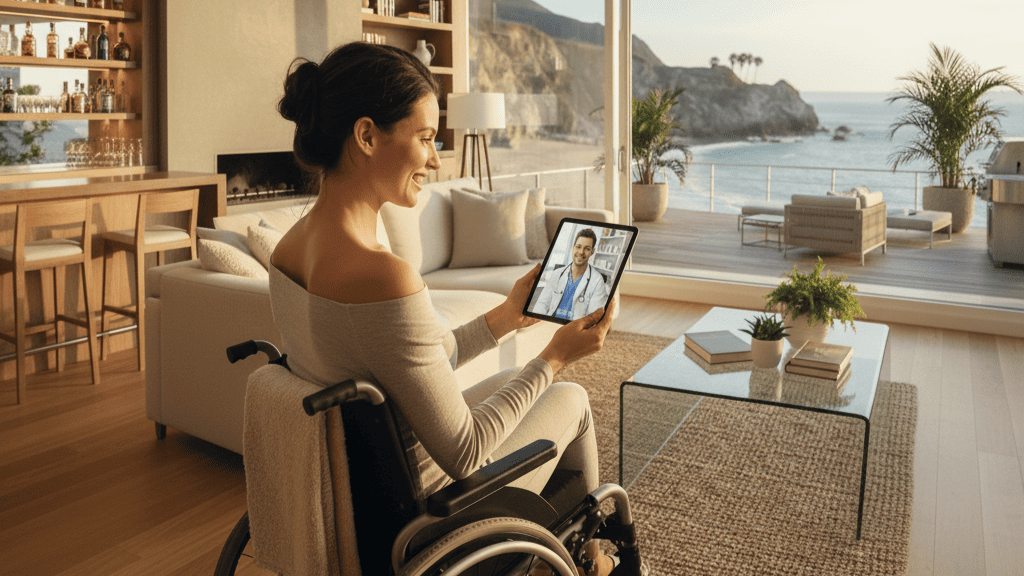
Some patients live far from your imaging center or have limited access to transportation. Virtual visits give them a realistic way to attend follow-ups. They still receive expert guidance without the cost and time of long trips. This helps reduce gaps in care for people who might otherwise drop out of the system.
When you manage imaging across several locations, integrated telehealth keeps everyone connected. Radiologists can speak with patients from one site while images are taken at another. Specialist opinions can be shared across the group without travel. This makes your entire network feel more coordinated and responsive.
Telehealth visits that run through your imaging platform are easier to document. Notes, visit times, and follow-up plans are stored alongside imaging data. This provides a clear record for quality review and compliance. It also helps you learn from your own patterns over time.
When follow-ups are convenient and clear, patients feel respected. They see that you are taking time to explain results and answer questions. This builds confidence in your team and in the imaging process itself. Higher satisfaction often leads to better adherence to recommended next steps.
Clinicians can mix virtual and in person visits during the same session. This lets them cluster imaging follow-ups in shorter video blocks. They can use small openings in their schedules that would not work for in person visits. Over time, this improves their control over the workday.
Telehealth reduces the need for patients to enter clinical spaces when infection risk is a concern. This keeps vulnerable patients safer while still giving them access to important discussions. It also protects staff and other patients. Your imaging center remains available without adding unnecessary exposure.
Family members often want to be part of follow-up conversations. Virtual visits make it easier for them to join from different locations. They can listen, ask questions, and help the patient remember details. This shared understanding can improve support at home.
By using telehealth inside your imaging platform, you take a concrete step toward more connected care. You show patients that your practice values flexibility and access. You also give staff tools that match the way people live and communicate today. Over time, this helps your imaging center feel modern, responsive, and grounded in patient needs.
Imagine a radiology group with several outpatient imaging sites. They offered follow-ups only in person, so many patients never returned for result discussions. Staff spent hours each week trying to call patients, rebook visits, and explain results over the phone. Radiologists felt that these rushed calls did not match the level of care they wanted to provide.
The group decided to pilot telehealth for follow-ups on a small scale. They used Curogram to launch secure video visits from Exa and scheduled virtual appointments for result discussions. Patients received simple links and joined from home or work. Within a few months, far more patients were completing their follow-up visits, and the team noticed fewer missed appointments.
The practice later reviewed its data and saw that follow-up completion had improved significantly in the pilot sites. Radiologists said they felt more connected to patients because they could show images on screen and answer questions in a calm setting. Staff reported that scheduling and supporting virtual visits felt simpler than trying to manage long phone chains. Based on these results, the group expanded integrated telehealth to more locations.
Start by examining your current follow-up process. Look at how many patients miss visits or delay result discussions. Notice where staff spend the most time trying to reach people. These observations will show you where virtual visits could help the most.
Next, think about which types of exams and patients would benefit most from Exa virtual care. You might begin with follow-ups that are mostly conversation, such as discussing stable findings or reviewing normal results. You can also test online imaging consults for more complex cases where visual explanation matters.
Refine your scheduling rules, visit length, and communication templates. The goal is not to replace every in person visit. The goal is to add a flexible option that makes follow-up care easier to access and easier to manage. Over time, integrated telehealth can become a natural part of how your imaging center supports patients after every exam.
Curogram focuses on making communication fit the real shape of clinical work. For radiology practices, that means connecting virtual visits to the systems you already use for imaging. When you can launch video visits from Exa, you do not have to fight with separate tools or complex setups. You can move from reading images to speaking with patients in a few simple steps.
With Exa virtual care and integrated telehealth tools, you support patients and staff. Patients gain easier access to their radiologists. They feel more confident that someone is walking with them through the process. Staff gain stable workflows that reduce missed visits and endless phone calls. Radiologists gain more chances to connect and communicate clearly.
With that said, telehealth does not replace every in-person conversation. Instead, they expand the ways you can show up for your patients. By offering flexibility, you become more aligned with how people seek care today.
Interested in using the most intuitive telehealth platform for your imaging center? Book a quick demo with Curogram.
Learn how radiology networks using Ramsoft simplify follow-ups and patient consults with Curogram’s secure telehealth platform.
See how Curogram integrates with Office Ally to deliver HIPAA-compliant telehealth, helping small practices expand access and reduce no-shows...
See how Curogram integrates with Ramsoft to provide secure telehealth for radiology networks, supporting follow-ups, and patient result discussions.