8 min read

Aging AR Reduction: Automating Collections to Recover Imaging Balances

Aging AR Reduction: Automating Collections to Recover Imaging Balances
💡 When your imaging center sends you a billing text, you may pause. Is it real? Is it safe? This guide walks you through what to expect.

A text-to-pay link is a secure SMS from your radiology center. You tap it, pick a payment method, and confirm. The whole thing takes under a minute. No mail, no phone calls, no apps to download.

Curogram works behind the scenes with HIPAA-compliant security and PCI DSS Level 1 standards. Your medical details stay private. Your payment info stays protected. Your imaging center gets paid faster.
The result is less paperwork, less worry, and a smoother visit experience after your scan.

You finish your MRI and head home. A few hours later, your phone buzzes. It is a text from the imaging center with your balance and a link to pay.

This might feel new. Maybe even a little odd. But it is part of a shift across radiology centers nationwide. Paper bills are giving way to SMS payment links that arrive faster and feel simpler.

The reason is plain. Paper statements take 10 to 14 days to reach your mailbox. By then, you may have forgotten the visit or misplaced the bill. Texts arrive within hours, while the trip is still fresh.

Curogram client data from clinical settings shows the impact is huge. SMS payment links pull a 40 to 50% collection rate.

Paper statements sit at around 20%. That gap matters for both you and the center treating you.

But for many patients, the bigger question is trust. Is the link safe? What happens if I tap it? Will my health records leak? These are fair questions, and they deserve clear answers.

This guide walks through every step. We will cover what the message looks like. We will show how the payment page works. We will share what protections sit behind it.

We will also look at why this approach lifts the text-to-pay patient experience radiology centers can offer to every patient who walks through the door.

Whether you are tech savvy or a bit cautious, you will leave knowing what is real and what is not.

You will know how to spot a true message and how to act with confidence. Let's start with the friction this change is solving.  

The Villain: Payment Confusion

Paper bills used to be the only option. Today, they cause more problems than they solve. Patients miss them. Centers wait weeks. Both sides pay the price in time, money, and trust.

The Problem: A Bill You Forget Before You See It

A typical paper statement reads simply: "Hi [Name], your imaging balance is $[Amount]."

But it shows up 10 to 14 days post-visit. By then, you have moved on. The envelope sits on the counter.

You meant to handle it, but life got busy. This is payment confusion in plain terms. You are not avoiding the bill. You just lost the thread.

Centers know it. Their collection rates drop sharply when bills take this long to arrive. The friction is not with you. It is not with the center. It is with the channel itself.

The Agitation: Why Speed Matters

SMS solves this gap. A text from your imaging center arrives within 4 hours of your study. You are still engaged. You remember the room, the tech, the contrast.

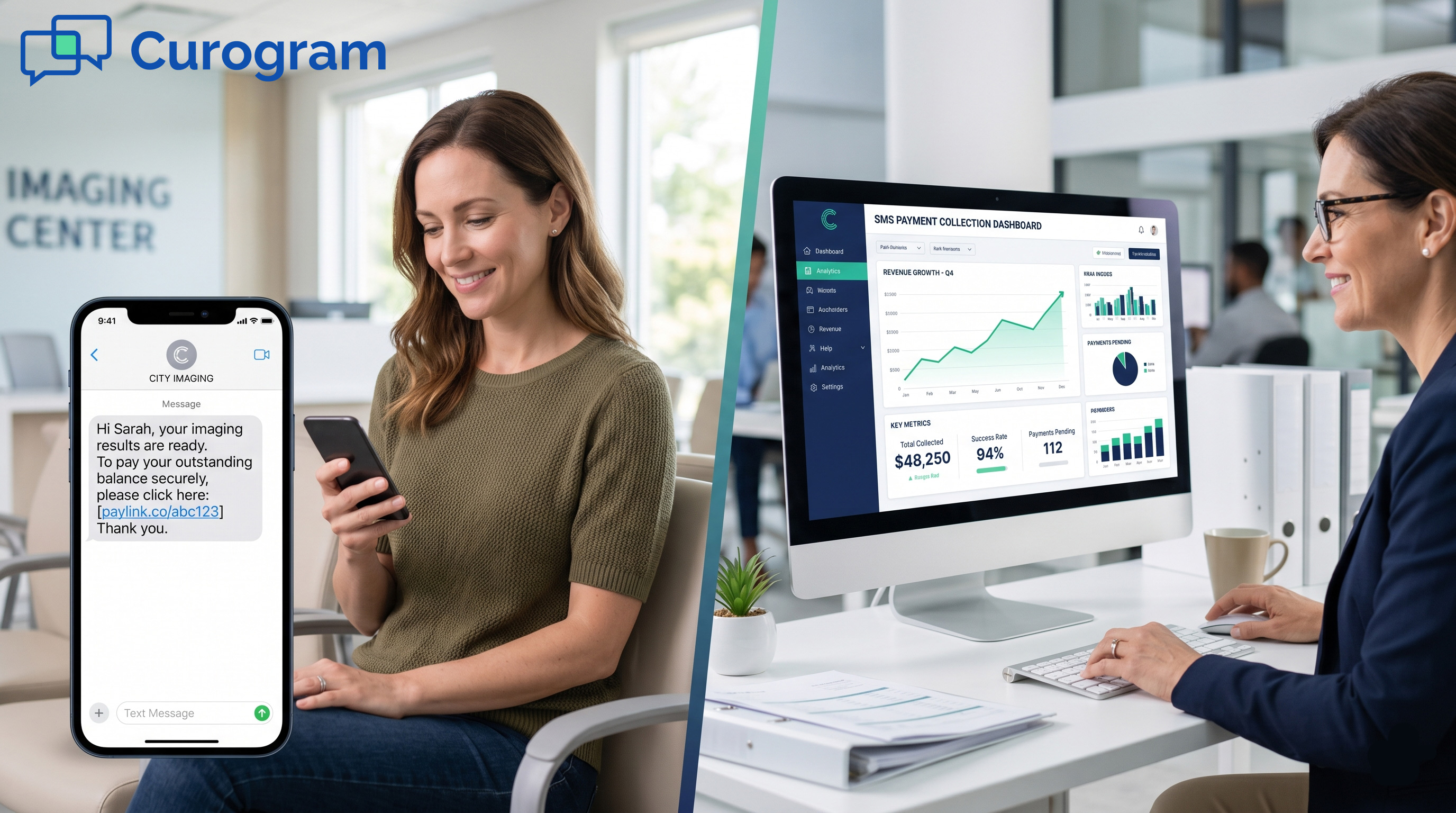
The message is short and clear. It includes your name, your balance, and the center's phone number. You tap the link, and a secure page opens. No envelope to find. No check to write. No stamp to buy.

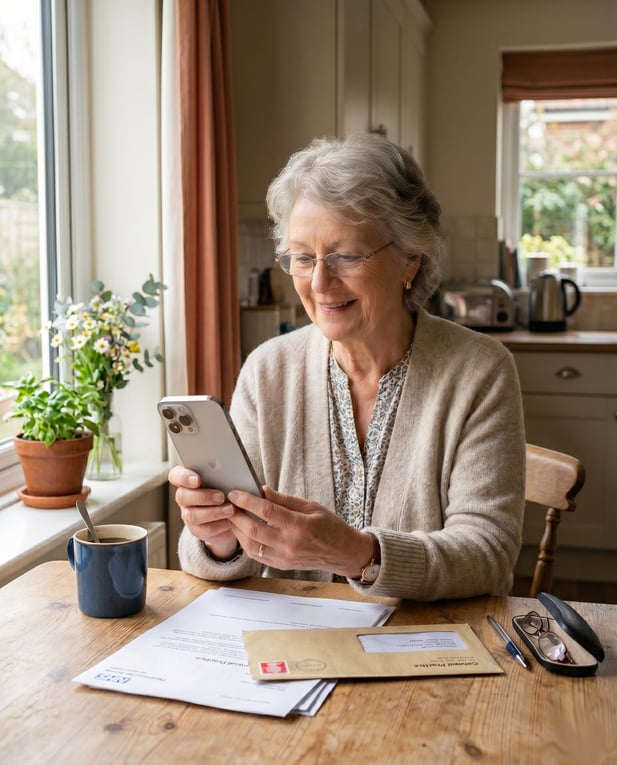
The shift matters across age groups, too. Text-to-pay for elderly patients works without app downloads or complex logins.

It uses the basic SMS app every phone already has. That keeps things simple for those who do not use smartphones every day.

The Consequence: Slow Mail Hurts Both Sides

Faster Cash Flow for Centers

The mail-first model costs imaging centers more than time. Statement printing, postage, and follow-up calls add up fast.

Centers spend $800 to $1,000 per location each month just to mail bills, based on our internal research. That money is lost before any payment lands.

Less Stress for Patients

On your end, the wait creates worry, too. You wonder if the bill is wrong. You worry about late fees. You forget the amount and wait for a second notice. None of this helps anyone.

The Result: SMS vs. Paper at a Glance

Here is the side-by-side view based on our internal data:

Channel

Arrival Time

Open Rate

Center Cost

Payment Speed

Paper Statement

10 to 14 days

Low

~$800/month

30 to 60 days

SMS Payment Link

Within 4 hours

98%

Near zero

24 to 48 hours


The numbers tell a clear story. SMS arrives sooner. It gets opened more often. It costs less to send. It also gets paid faster.

This is not a small upgrade. It is a full reset of how billing works after an imaging study.

It also sets the stage for stronger patient engagement text-to-pay tools can deliver across every patient touchpoint.

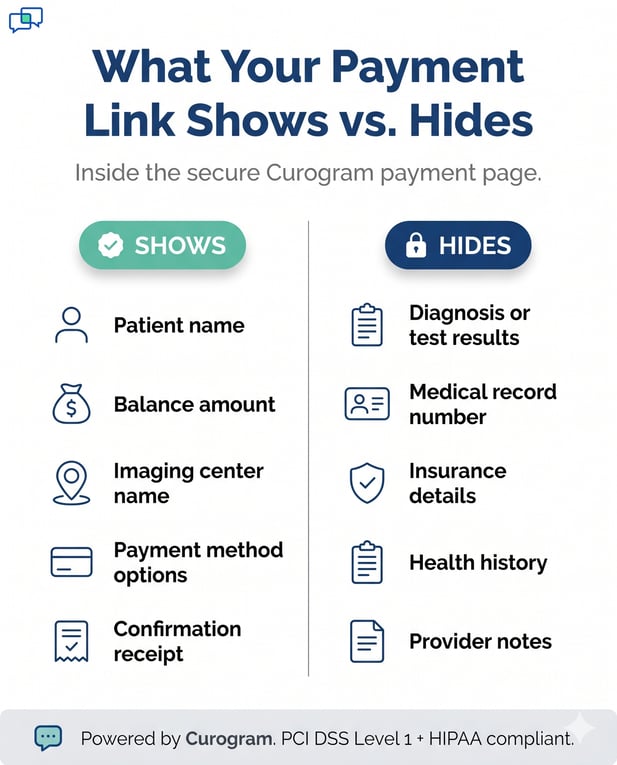
Infographic: List of data a Curogram payment link shows vs. hides for patient privacy

The Guide: The SMS Collections Platform

Curogram is the platform behind those secure payment links. It is not a new app to download. It is not a portal you log into.

It works through the SMS app your phone already handles, plus the billing system your imaging center already trusts.

The Solution: Bank-Grade Security

Every link sent through Curogram is encrypted. Hackers cannot grab your card details midway. The platform meets PCI DSS Level 1 standards. That is the top tier for payment safety.

It also follows HIPAA rules, so your health data stays sealed. Your imaging center never sees your card number. Curogram handles the payment in the background. The center only sees that your balance was paid.

This split keeps your money safe and your records private at the same time. It is the kind of dual layer most patients never see, but always benefit from.

The Feature: How to Spot a Legit Message

Not every text is real. Scams exist. The good news is that real messages follow clear patterns.

First, check the sender. The number should match your imaging center's main line. Second, read the message. A real one names you, lists your balance, and gives a callback number.

Third, hover over the link before tapping. The URL should include the center's name or "curogram." If anything looks off, call the center to confirm. This 10-second habit builds trust.

It also makes text-to-pay accessibility that imaging centers offer feel safer for every patient, no matter their tech comfort. First-time users and elderly family members feel more in control.

The Integration: What the Link Shows (and Hides)

When you tap the link, a clean page opens. It shows your name, your balance, the center's name, and your payment options. That is it.

It does not show your diagnosis. It does not list your medical record number. Your insurance details stay private. The page is built to handle one thing: your payment.

This design choice matters. It cuts visual clutter. It keeps sensitive data off your phone screen.

It also lifts SMS text-to-pay patient satisfaction by removing the worry that someone glancing at your phone could see private details.

The Specialty Fit: Built for Radiology

Generic payment tools do not grasp imaging workflows. Curogram does. The platform connects directly to StreamlineMD and other radiology-focused systems. It pulls balances right from the billing engine.

There is no double entry. There are no delays. For interventional and endovascular practices, this tight fit means the right amount lands on the right phone at the right time.

Modality-specific quirks do not break the workflow. The result is a smoother patient flow and a system that fits how radiology centers actually work day to day. 


The Success: Text-to-Pay Transformation

The shift to SMS billing is more than a small bump in numbers. It changes how imaging centers run their day. It changes how patients feel after their visit. The numbers back this up. So do the stories from real practices.

The Metric: What 30 Days Look Like

Imaging centers see real changes within the first month. Curogram client data from clinical settings shows collection rates jump from 20% to 40 to 50% after launch. That is more than double.

Kern Gastro saw similar gains across their patient billing flow. Days-to-payment dropped from 30+ days to 1 to 2 days for patients who used the SMS link. Cash flow stabilized. Month-end stress eased.

Take a center running 600 studies a month. Average reimbursement runs $1,500. With 30% patient share, that is $72K to $120K in extra recovery each month.

The savings on printing and postage add another $9,600 to $12,000 per location each year. These are not projections. They are outcomes from working radiology practices.

The Shift: Staff Time Reclaimed

Manual billing eats hours. Staff print statements, stuff envelopes, and field calls about lost bills. Each call pulls them from work that needs human judgment.

When SMS handles the routine billing, that time goes back where it belongs. Denial management. Claim resolution. Helping patients with complex balances or payment plans.

The work shifts from chasing payments to solving problems. This change also lifts morale. Billing teams stop feeling like collection agents. They start acting like advisors.

River Valley FQHC saw this kind of shift in their billing team. Their staff focused more on patient care and less on the paper chase. Patients felt the difference in tone and care.

The Outcome: A Stronger Workflow

The mix of StreamlineMD's clinical and billing depth with Curogram's patient-facing engagement creates a system that runs end-to-end. Coding flows into billing. Billing flows into SMS. SMS flows into payment.

Each step happens on its own. Patients feel it as a single, smooth process. They do not see the EHR. They do not see the platform. They just see one center that gets things right.

This is what patient engagement text-to-pay tools were built to deliver. Not just payment collection, but a flow that respects patient time, protects their data, and keeps them tied to the practice.

The outcome is a competitive edge that pays back in retention, reviews, and referrals. Centers that adopt this approach now will set the standard for how imaging billing works in the years ahead. 

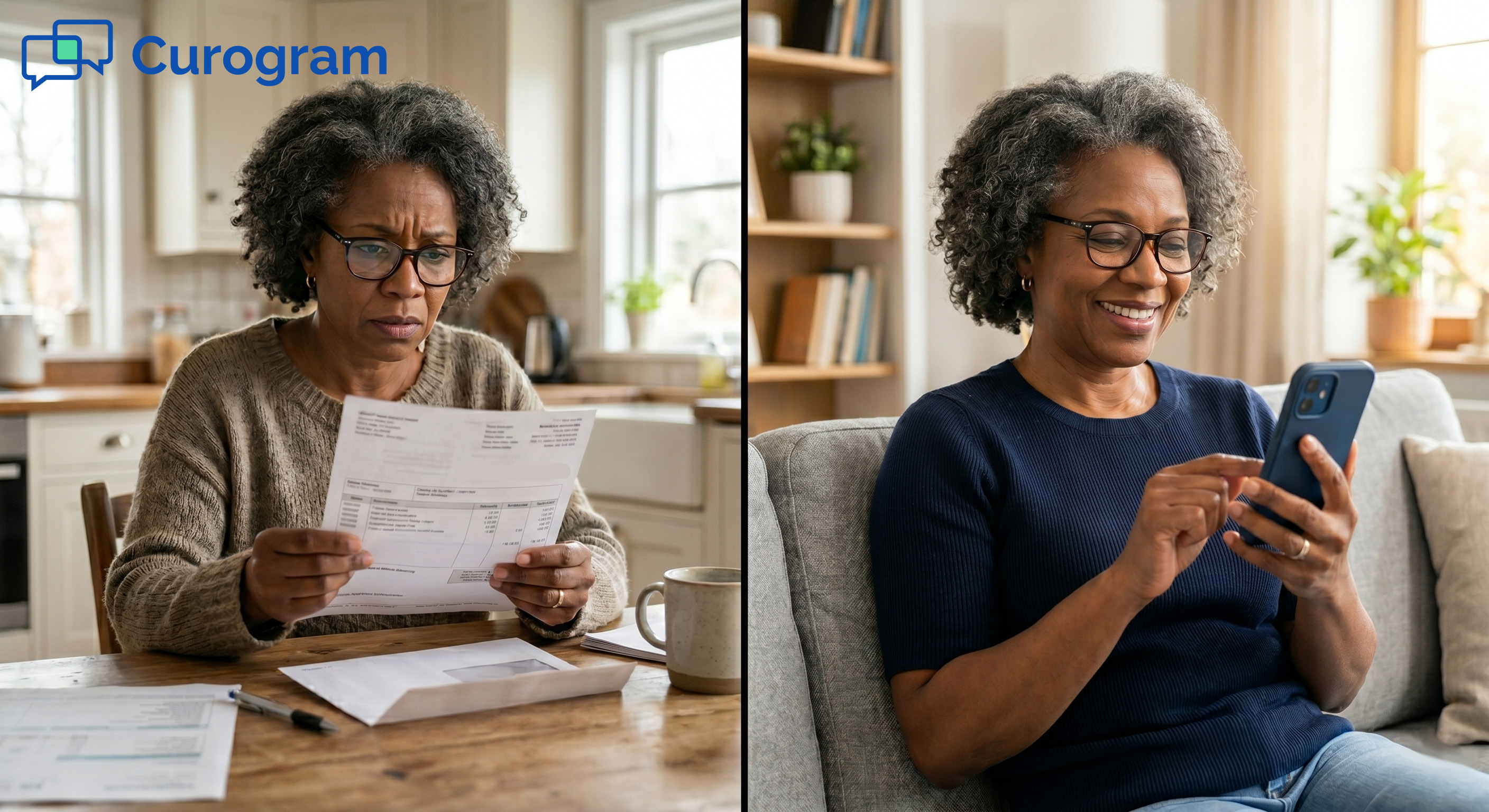
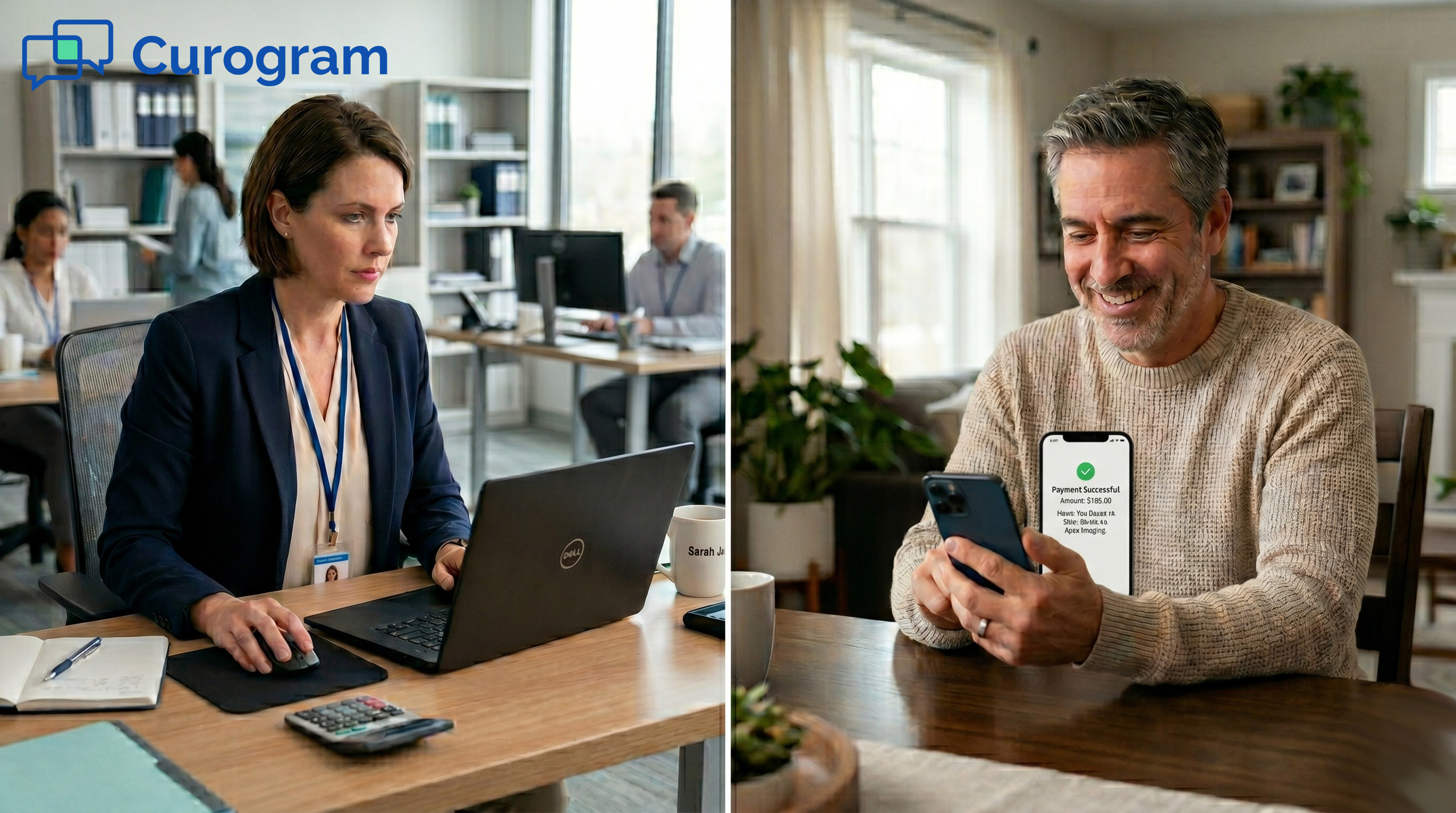
Reassured patient sitting at table using smartphone for secure medical payment

ConclusionTransform Your Text-to-Pay Workflow

Payment confusion is not permanent. It is a fixable gap between great clinical work and the way patients hear about their bill afterward.

With the right tools, that gap closes fast. The path forward is simple, secure, and already proven.

Paper statements were once the only option. Today, they slow cash flow, frustrate patients, and cost centers $800 to $1,000 a month per location. SMS billing solves all three problems at once.

When Curogram works with StreamlineMD or another EHR, the friction fades. Bills arrive within hours. Patients tap, pay, and move on. Staff time goes back to higher-value work.

Better yet, the patient's side improves. People feel respected. They trust the process. They tell friends and family.

This is how text-to-pay patient experience radiology centers offer becomes a quiet edge, one bill at a time.

Patients do not think in software categories. They do not know your EHR brand. They do not know your communication tool. They experience your practice as a whole.

A clunky bill makes the whole visit feel clunky. A smooth one makes the whole visit feel cared for. The same scan, the same staff, the same outcome can feel very different based on what happens after.

Text-to-pay via Curogram makes sure the after-visit moment matches the in-visit care. It is seamless. It is accessible.

It also eases the small worries that often stick with patients, like "Did I forget that bill?" or "Is this link safe?"

If you have a question about your link, call your imaging center directly. Their billing team can walk you through your balance, explain the charges, or set up a payment plan. There is no need to guess.

If your balance is large, ask about installment options. Most centers can split big imaging bills into monthly chunks. The conversation is short. The relief is real.

If you run an imaging center, you do not need to keep losing $800+ a month on paper bills. You do not need to watch the collection rates plateau at 20%. There is a faster path.

Schedule a demo with Curogram to see how SMS billing fits with your StreamlineMD workflow.


Frequently Asked Questions

How do I pay using the link?

Tap the link in the message. Your phone opens a secure page. Enter your card or bank info, check the amount, and confirm. You will get a confirmation text in seconds.

How can I tell the text is real and not a scam?

Check that the sender number matches your center's main line. A real message names you, lists your balance, and offers a callback number.

The link should include your center's name or "curogram." Call the center to verify if anything looks off.

Why does the bill come so fast after my scan?

Imaging centers send SMS bills within hours, so the visit is fresh in your mind. Paper statements take 10 to 14 days, which often leads to missed or delayed payments.

Fast bills also mean faster help if you have questions. The goal is convenience, not pressure.

How does this work without an app download?

Text-to-pay without app download is built into the SMS link itself. You tap, a secure web page opens, and you pay there.

No downloads, no logins, no usernames. This is why the system works well across age groups and devices.

Why do imaging centers prefer SMS billing over paper?

SMS billing has a 98% open rate and gets paid 20 to 30 days sooner than paper. It also cuts printing and postage costs by $800+ per month per location.

Centers free up staff for work that needs real judgment, like helping patients with complex balances. It is faster, cheaper, and better for both sides.