9 min read

How SMS Health Campaigns Reach the Patients eCW Portals Miss

How SMS Health Campaigns Reach the Patients eCW Portals Miss
💡 eClinicalWorks patient text health campaigns for preventive care reminders deliver timely, personalized SMS messages to patients' phones. For most patients at eCW networks, traditional outreach falls short.

Portal messages go unread. Recall letters arrive late. Robocalls are ignored. SMS health campaigns fix the channel mismatch by meeting patients in their text inbox, the one place they already check every day.

With open rates above 95%, SMS outperforms email (20–25%) and portal notifications. Patients get plain-language texts from their own provider's office – for flu shots, screenings, wellness visits, and chronic disease check-ins.

They can reply in seconds to book an appointment. No downloads. No passwords. Just a text that reaches them where they are.


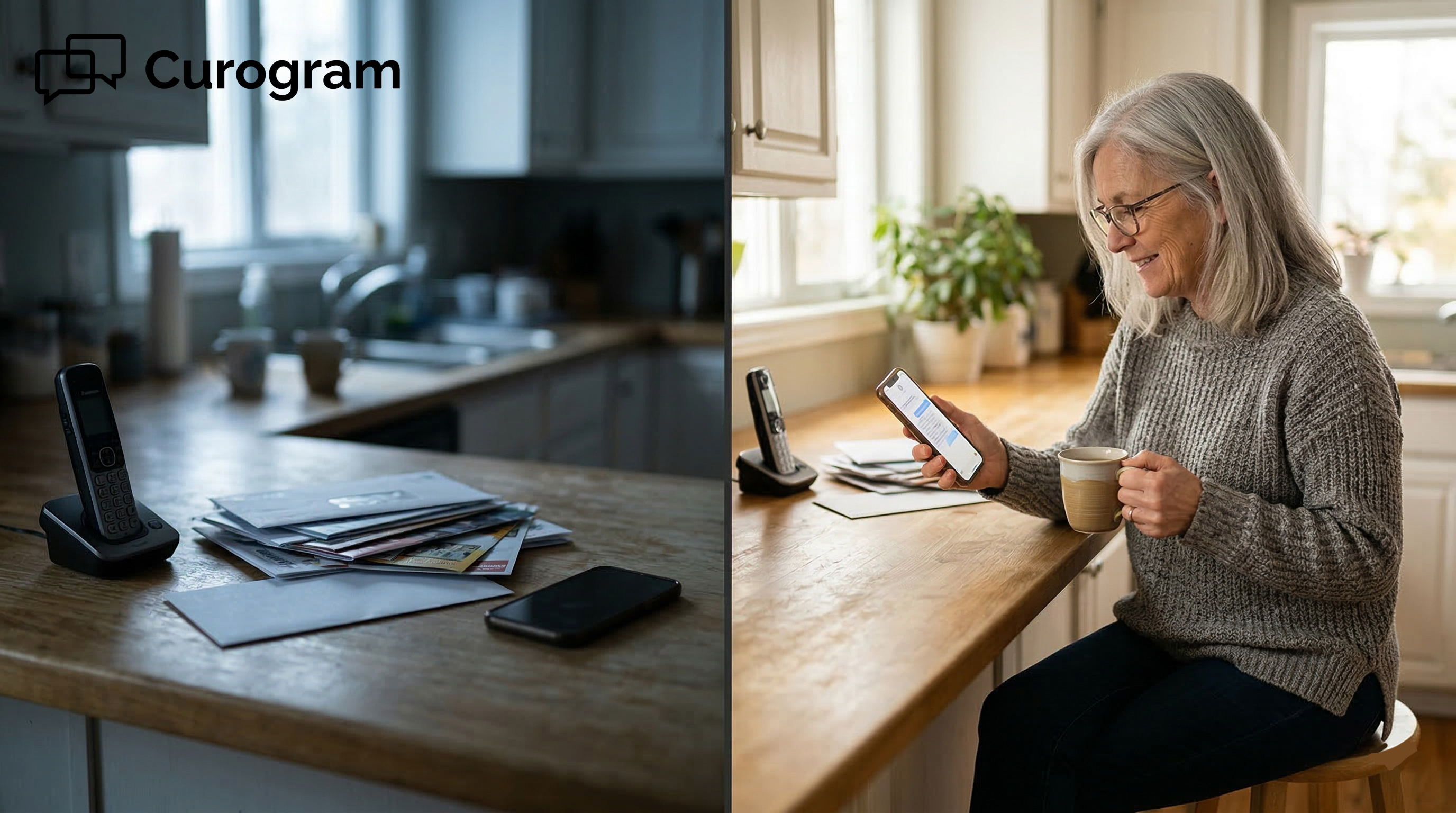
Your patient, Mrs. Chen, is 68 years old. She has type 2 diabetes. She is three months past due for her A1C screening. Her care team knows this. The system flagged it weeks ago. So why hasn't she come in?

The answer is not that she doesn't care. The answer is simpler: the reminder never reached her. The portal message sat unread. The recall letter was buried under a pile of mail.

The phone call came from an unknown number, so she let it go to voicemail. The voicemail was deleted without a listen. She is not avoiding care. She just never got the nudge she needed through a channel she actually uses.

This is the quiet failure of population health outreach at enterprise eCW networks. Clinics have the data. They know which patients need flu shots, screenings, wellness visits, and follow-ups.

But the channels used to reach those patients – patient portals, mailed letters, robocalls – don't connect with the majority of real people in the real world. The care gap stays open. Not because patients are disengaged, but because the message never arrived.

SMS changes that equation. An eClinicalWorks patient text health campaign for preventive care reminders delivers a short, clear, personal message directly to a patient's text inbox.

The patient sees the text within minutes and can book an appointment with a single reply. It is the simplest, most direct path between a care need and a scheduled visit.

For the patients that portals, letters, and phone calls consistently miss, it is often the only path that works.

The Villain: The Letter That Arrived Too Late

Enterprise eCW networks spend real time and money on population health programs. The problem is not the intent; it is the delivery.

The channels most practices rely on simply do not match how their patients communicate. Understanding where that gap lives is the first step toward closing it.

What the Data Actually Shows About Open Rates

Email campaigns average a 20–25% open rate in healthcare. That means three out of four patients never see the message at all.

Patient portal notifications perform even worse among the general patient population, since most patients at enterprise eCW networks haven't set up healow or haven't logged in recently.

Phone calls from an unfamiliar number get answered roughly 30–40% of the time, and many of those answers still end with a deleted voicemail.

Mailed letters are slower still. A recall letter sent on Monday may not arrive until Thursday or Friday. If the clinical window is tight, the letter may arrive after the opportunity has passed. The network sent the message. The patient never received it. The care gap stays open.

Contrast that with SMS. Text messages carry open rates above 95%, and most are read within three minutes of delivery.

For a patient SMS health reminder in an eCW network, that speed matters. It means the message reaches the patient when the need is still active, not days later when they have already moved on.

Outreach Channel Comparison

Channel

Avg. Open Rate

Speed to Read

Requires App/Login

SMS Text

95%+

Within 3 minutes

No

Email

20–25%

Hours to days

No

Patient Portal

Low (inactive users)

Only if logged in

Yes

Phone Call

30–40% answer

Varies

No

Mailed Letter

Unknown

Days

No


The 'Invisible Patient' Problem at eCW Networks

For every patient who falls through the outreach cracks, the reason is usually the same: the network is sending messages through channels the patient does not use.

Patients who did not download healow, who do not open emails from their provider, and who screen calls from unknown numbers are not non-compliant. They are simply invisible to the tools the practice is relying on.

This is not a fringe group. At many enterprise eCW networks, the majority of patients fit this description. They use their phones every day to text their family, their friends, and their favorite businesses.

They are highly reachable, just not through portals or letters. A preventive screening text campaign built on SMS reaches them through the one channel they never miss.

The health consequences of missing this group compound over time. A skipped A1C becomes a late-stage complication. A missed mammogram becomes a difficult diagnosis. A forgotten flu shot becomes a hospitalization.

The data to prevent these outcomes already lives in eCW. The gap is the last mile: getting the right reminder to the right patient through a channel that actually works.


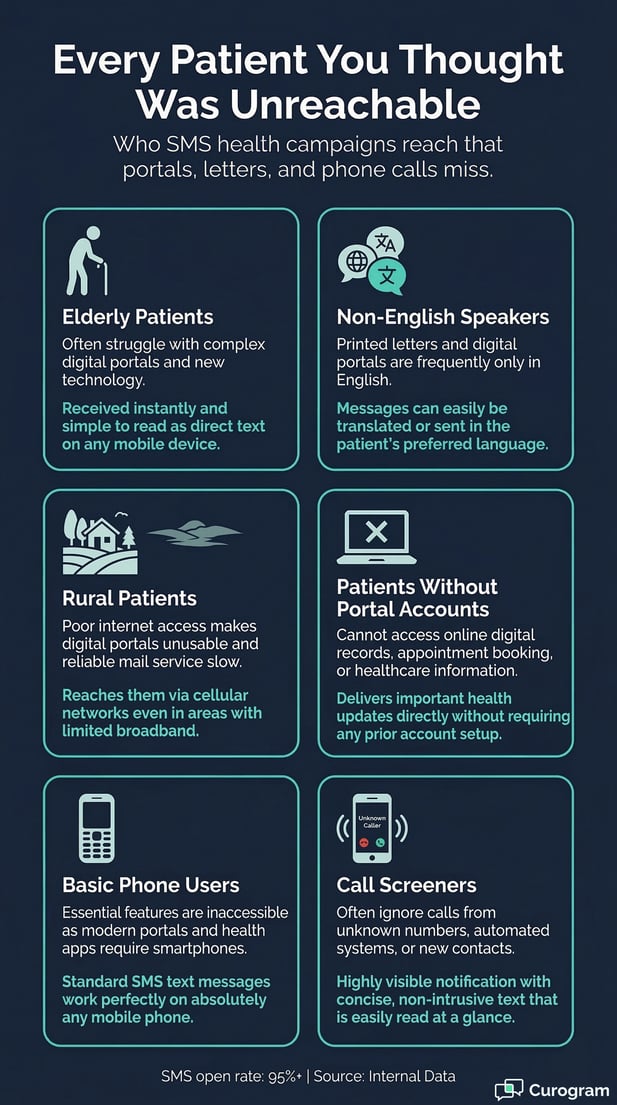
Infographic: Why SMS reaches uncontactable patients

The Guide: The Personalized Health Nudge

SMS outreach sounds simple, and in practice, it is. But the reason it works so well in healthcare is not just the channel. It is the combination of timing, personalization, and ease of reply that makes patients act.

Here is how a well-built SMS health campaign functions from start to finish inside an eCW environment.

Personalization: Why 'Hi Margaret' Beats a Generic Blast

A message that says "Hi Margaret, this is Dr. Patel's office. It's time for your A1C check" does not feel like spam.

It feels like a reminder from someone who knows her. That feeling matters. It is what separates a helpful health nudge from an ignored mass blast.

Every eClinicalWorks wellness visit reminder text sent through Curogram includes the patient's name, their provider's name, and the specific care action they need.

Personalization is only possible because the campaign platform connects directly to eCW's patient data.

The flu shot reminder comes from the patient's actual PCP's office, not a generic network number. The chronic disease management text reminder references the patient's own specialist by name. The mammography recall directs the patient to their preferred imaging center.

This level of detail is what makes the message feel personal rather than promotional.

Patients also know the text is opt-out friendly. They can reply STOP at any time. In practice, opt-out rates for well-crafted health campaign texts stay very low.

Patients recognize value when they see it , especially when the message comes from their own doctor's office and tells them something they actually need to know.

The Reply Flow: From Text to Booked Appointment

The patient receives a short, clear text. They reply YES. Within seconds, they receive a follow-up message with available appointment times.

They tap a time. They get a confirmation. The entire exchange takes under a minute, with no phone call, no portal login, and no staff time involved.

Every reply is routed through Curogram's smart routing to the right team. If a patient asks a question instead of replying YES, a staff member sees it and can respond. If the patient confirms they already received care elsewhere, the record is updated.

The system handles the flow without creating more work for front desk staff. Health campaign patient engagement through SMS is fast for the patient and efficient for the practice.

For an eCW flu shot text reminder, this matters in the fall season when patient volume spikes and staff bandwidth is thin. The campaign can go out to hundreds or thousands of patients at once.

Responses come back in real time. Staff only need to step in when a patient has a question. The campaign scales without scaling the labor. 

Elderly Patients and the App Barrier

Older patients are among the highest-need groups in any preventive care campaign, and among the least likely to have downloaded a healthcare app. The "just download the app" instruction that works for a 30-year-old may be a real barrier for a 68-year-old who does not use a smartphone the same way.

Passwords get forgotten. App stores feel unfamiliar. Portal logins that expire create confusion.

SMS removes all of that friction. Basic text messaging works on any cell phone, including older devices that don't support apps at all.

A patient who has never logged into healow and has no intention of doing so can still receive a clear, helpful eCW patient SMS health reminder through their standard text inbox.

The reminder reaches them the same way a text from their grandchild would. No friction. No barrier. Just a message.

Based on our internal data, 35% of patients who received an SMS recall message scheduled an appointment within a month, with 1,240 patients seen from recall messages alone at one multi-location practice.

These were patients who had not returned for follow-up care through any other outreach method. SMS reached them when nothing else did.

Diverse Patient Populations and Language Access

Enterprise eCW networks often serve patient populations that span many languages and cultural backgrounds. A health campaign sent only in English will fail to reach patients who are more comfortable in Spanish, Vietnamese, Tagalog, or another language.

Mailed letters have the same limitation, and most robocall systems don't support multilingual outreach at scale.

Curogram supports multilingual SMS campaign templates. Health campaign messages can be created in multiple languages and sent based on each patient's language preference data in eCW.

For a preventive screening text campaign aimed at a diverse patient population, this means the message arrives in a language the patient can act on. Language barriers become care barriers only when outreach tools don't account for them.

This matters most for chronic disease management text reminders, where the clarity of the message directly affects whether a patient takes action. A patient who does not fully understand a letter about their A1C follow-up may set it aside.

A patient who receives a plain-language text in their preferred language – from their own provider's office – is far more likely to reply and book the visit.


The Success: Mrs. Chen Gets the Text That Changes Everything

The goal of any population health campaign is not just to send messages. It is to change patient behavior and improve health outcomes. SMS campaigns succeed at this because they close the gap between the care need and the patient action.

The reminder arrives. The patient responds. The appointment gets booked. Here is what that shift looks like in practice.

The Shift from 'Download This App' to 'We'll Come to You'

The old model puts the burden on the patient. To hear from their provider, they need to download an app, create an account, remember a password, and log in. Most patients, especially older ones, don't take those steps.

The reminder sits unseen. The care gap grows. The eClinicalWorks patient text health campaign model flips this dynamic. The practice reaches out. The patient receives the message in their existing text inbox. The burden shifts.

This shift is meaningful for patient experience. A patient who receives a warm, clear text from Dr. Patel's office on a Tuesday afternoon does not feel like they are being tracked or processed. They feel like their care team remembered them. That sense of being seen and valued is one of the strongest drivers of patient loyalty and long-term engagement with the practice.

It is also meaningful for health outcomes at the population level. When preventive care reminders reach more patients, more patients get the screenings, vaccinations, and check-ins they need, before small health issues become serious ones.

The flu shot that prevents hospitalization. The A1C check that catches an upward trend before it becomes a crisis.

These are the outcomes that SMS campaigns make more likely, simply by closing the delivery gap.

Real Numbers from Real Campaigns

SMS health campaigns achieve open rates above 95% within minutes of delivery. Compare that to 20–25% for email and roughly 10–15% for portal notifications among patients who are actively logged in.

For patients who have never logged into the portal, the portal open rate is effectively zero.

Based on our internal research, practices using SMS-based recall campaigns have seen strong results. At one multi-location practice, 35% of patients who received an SMS recall scheduled an appointment within a month.

That reconversion rate held across both elderly patients and those who had not responded to prior phone or email outreach. The channel made the difference.

For an enterprise eCW network running a population health program, these numbers compound quickly. A campaign that reaches 5,000 patients with a 95% open rate and a 35% reconversion rate produces thousands of scheduled appointments.

The same campaign through email or portal notifications may produce a fraction of that result. The clinical impact – more screenings, more vaccinations, more chronic disease check-ins – is measurable and meaningful.


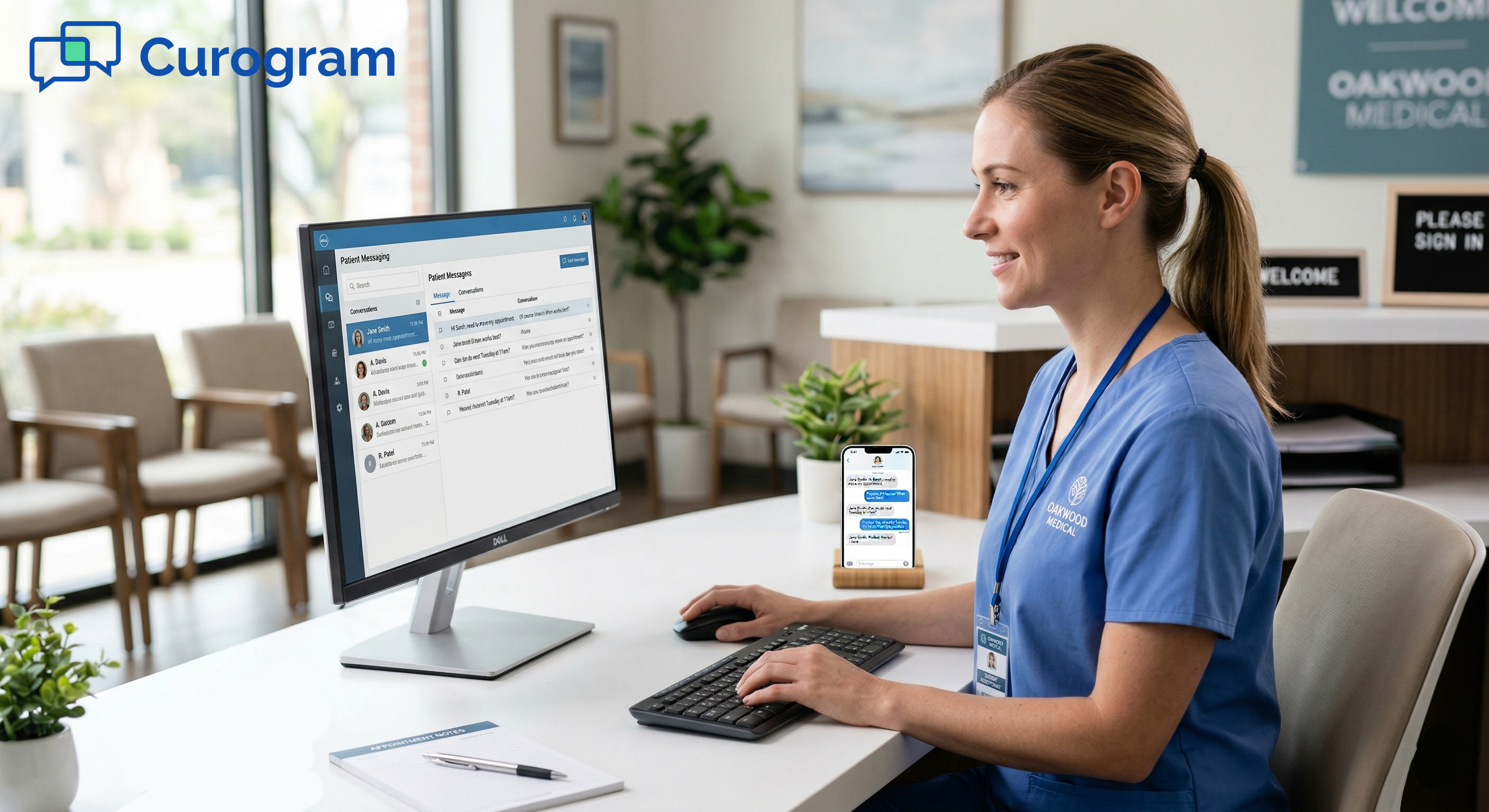
Receptionist at an organized medical clinic, smiling

Meet Your Patients Where They Are

Your patients are reachable. Most of them are reachable right now, through the text inbox they check dozens of times a day. The challenge is not patient engagement; it is channel selection.

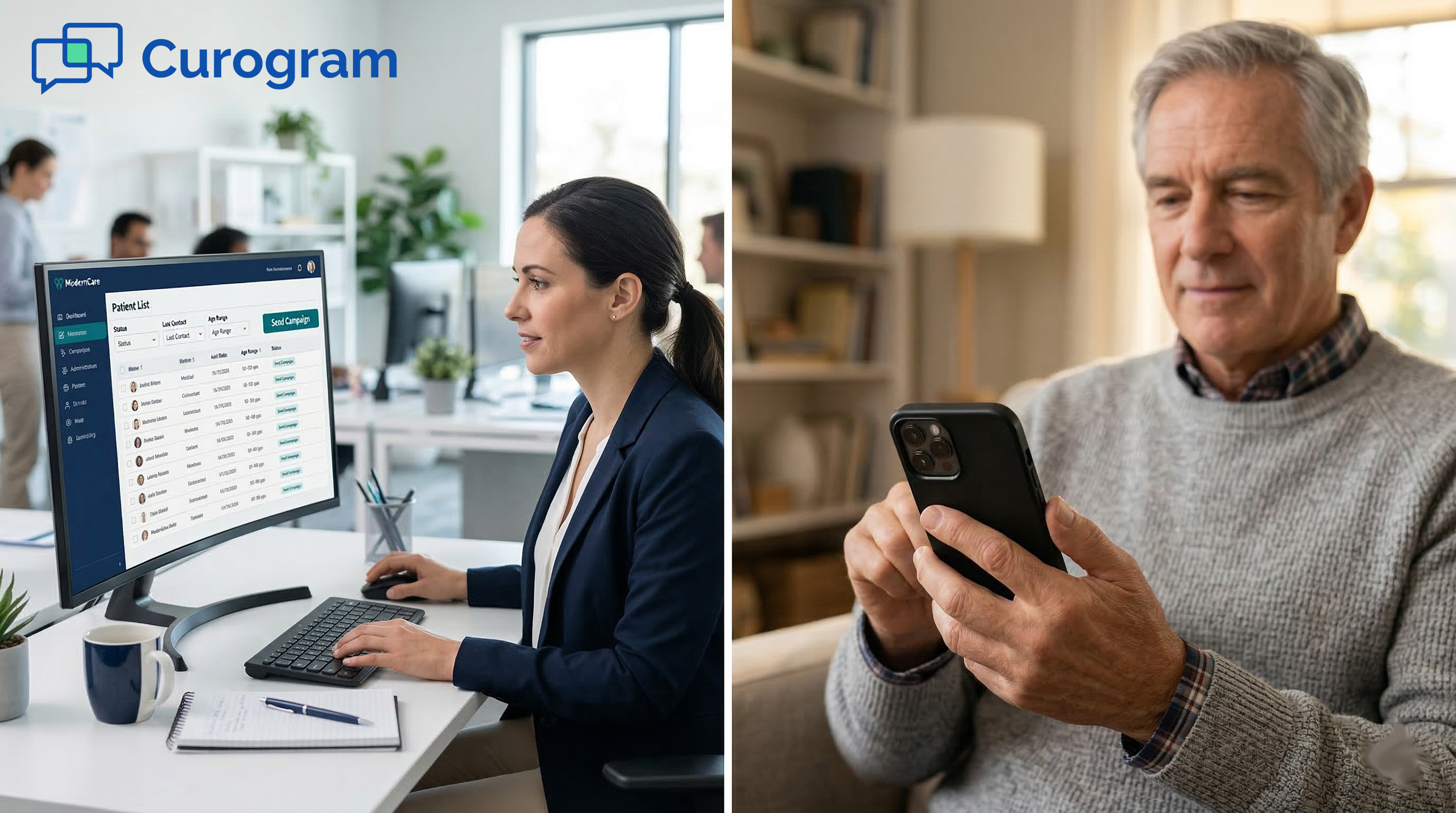
eClinicalWorks holds the data: who needs a flu shot, who is overdue for a screening, and who hasn't come in for an annual wellness visit. Curogram makes sure that data turns into a message the patient actually sees.

Not a portal notification for a portal they don't use. Not a letter that arrives after the window closes. A text. Plain language. From their own provider's office. Delivered in seconds.

Stop sending preventive care reminders through channels your patients don't use.

Book a demo today and send one SMS health campaign to a patient population that has been unreachable through phone, email, and portal outreach.


Frequently Asked Questions

Why do SMS health campaigns outperform patient portal messages for preventive care outreach?

Patient portals require patients to download an app, create an account, and log in before they see any messages. Most patients at enterprise eCW networks haven't taken those steps or haven't logged in recently.

SMS messages arrive in the standard text inbox every patient already uses, which is why open rates for SMS exceed 95% while portal notifications often go unseen by the majority of a patient population.

How do SMS reminders avoid feeling like spam to patients?

Each message is personalized with the patient's name, their specific provider's name, and the exact care action they need. A message that reads "Hi Margaret, this is Dr. Patel's office. It's time for your A1C check" feels like a personal reminder, not a mass blast. Patients also have the option to reply STOP at any time, which keeps opt-out rates low and trust high.

Why is SMS a better fit than robocalls for reaching patients who miss appointments?

Robocalls from unknown numbers are screened as spam by a large share of patients. Even when a patient answers, a recorded message is easy to dismiss and forget.

An SMS message sits in the patient's inbox where they can read it on their own time, tap a reply, and have their appointment booked in under a minute. The response path is faster and requires far less effort from the patient.

How does SMS outreach help with chronic disease management follow-up care?

Patients managing ongoing conditions like diabetes or hypertension often need regular check-ins that are easy to delay or forget. A short, plain-language text reminder from their own specialist's office gives patients a clear, low-effort prompt to book the follow-up they need.

Based on our internal data, SMS recall campaigns have returned patients to care who had not responded to phone or email outreach at all.

Why is no-app-download access important for patient SMS health reminders?

A significant portion of patients, especially elderly patients, do not use healthcare apps and have no intention of downloading one. Requiring an app download adds a barrier that prevents a large segment of your patient population from ever receiving the message.

Standard SMS works on any cell phone, including basic devices, which means the reminder reaches virtually every patient regardless of their comfort level with technology.

eClinicalWorks Mass Messaging | Population Health Campaigns via SMS

eClinicalWorks Mass Messaging | Population Health Campaigns via SMS

💡 eClinicalWorks mass messaging for population health campaigns lets enterprise networks send targeted SMS outreach to thousands of patients.Filter...
Read More
Office Closures & Prime Clinical | Notify Patients Instantly

Office Closures & Prime Clinical | Notify Patients Instantly

💡 Broadcasting office closures for Prime Clinical Systems works best when you replace manual phone trees with automated mass text alerts. With the...

Read More
eCW Patient Recall Campaigns | Automate Operations Outreach via SMS

eCW Patient Recall Campaigns | Automate Operations Outreach via SMS

💡 eClinicalWorks operations targeted text campaigns for patient recall and let enterprise networks replace spreadsheet exports and phone marathons...

Read More