
 Michael Hsu
Telehealth—History, Development, Usage, and Vision
 Joshua Inciso : 2/8/22, 6:12 AM
Telehealth is a critical part of a modern medical business. Learn all about telemedicine to ensure you make the most of this valuable tool.
A 15-minute checkup shouldn't cost a full day. For millions of rural patients, it still does.
They drive hours to the nearest clinic. They lose a day of pay, line up a ride, and sometimes book a hotel room in another city just to see a specialist. So many of them wait. They skip the visit, hope the symptoms fade, and only come in when things turn serious.
That delay hurts everyone. Patients get sicker. Treatment gets more expensive. Hospitals end up handling problems that could have been caught weeks earlier, often at a much higher cost.
It doesn't have to work this way.
Telemedicine is rewriting that pattern. With video visits, secure messaging, and remote patient monitoring, you can deliver care to patients wherever they live. Distance no longer decides who gets seen and who goes without care.
That's why both providers and patients have embraced telemedicine as a real option alongside in-person visits. It improves access for people in remote areas. It also makes it easier to treat patients with chronic conditions who need steady, ongoing support rather than an occasional office visit.
The benefits reach your bottom line, too. Telemedicine can reduce unnecessary hospital admissions and lower the cost of treating conditions such as diabetes, hypertension, chronic obstructive pulmonary disease (COPD), and sleep apnea. Other conditions tracked through remote monitoring see similar gains.
In this guide, you'll learn seven of the most common ways telemedicine is changing healthcare delivery today. You'll also see real programs, from Alaska to Boston to the open sea, that have produced measurable results in readmissions, mortality, and patient capacity.
Finally, we'll cover what to look for in a telemedicine platform so your practice can get started the right way. That means strong security, simple tools, and smooth EHR integration from day one.
There are a number of ways in which telemedicine can aid in-person medical care and facilitate healthcare delivery.
Here are some common practical applications of telemedicine:
As we’ve mentioned, telemedicine greatly improves access to medical care for geographically isolated patients. The adoption of telemedicine had a significant impact on the way in which patients in the rural United States received medical care.
The lack of medical facilities, physicians, and specialists in these areas is no longer a huge barrier to healthcare, given that patients can attend video appointments with doctors without having to leave their homes.
Patients no longer have to travel for half a dozen hours, then spend just as much time waiting at a hospital, or wait for days or even weeks for a doctor to visit the remote rural areas. Telemedicine in rural areas gives them a faster, easier, and cheaper way to connect with a physician and receive diagnosis and treatment.
Remote physician consultations are also extremely useful for minor health concerns and follow-ups for existing conditions. Patients have an easier, more convenient way to manage their health, while at the same time, telemedicine encounters lift the pressure from rural hospitals.
One of the major benefits of telemedicine is the speed at which the necessary medical care can be provided. For certain conditions, like patients suffering from a stroke, the speed of treatment is critical and can be the difference between life and death.
The sooner a victim of stroke receives a tPA (tissue plasminogen activator), the better. The common time frame is within three hours, but practice shows that receiving treatment within 90 minutes significantly lowers the chances of permanent brain damage and fatal outcomes.
This makes telestroke services invaluable for patients in rural and remote areas, who are often hours away from the nearest medical facility. With the use of telecommunications technology, patients or their family members can get in touch with a neurologist in minutes.
The neurologist can conduct a remote exam and, if necessary, order the administration of tPA or a transfer to a specialized healthcare facility.
Depending on the patient’s geographic location, they can be transferred either by an ambulance or a chopper, meaning the family of the patient who suffered a stroke doesn’t have to deal with transportation in these highly stressful situations.
Treatment often doesn’t end once the patient is discharged from an ER or the ICU.
Rehabilitation and continuous monitoring of their health condition are necessary for tens of thousands of patients recovering from certain medical conditions like:
In most cases, these conditions make it rather difficult for patients to regularly travel to a medical facility for follow-ups, regardless if they’re in an urban or rural area. Telemedicine allows patients to undergo rehabilitation from their homes.
Doctors can conduct a cognitive or psychiatric assessment and monitor a patient’s condition remotely, allowing them to assess the recovery progress and, if needed, adjust the treatment.
Telemedicine also enables these patients to:
In any case, the ability to connect to a physician or specialist almost instantly, from their phone, computer, or laptop, greatly aids in the rehabilitation of patients.
Tele-ICU is a great asset for physicians and nurses in the intensive care unit. The use of modern technology provides them with an easier way to monitor patient conditions so that they can react promptly to important health signals, like a sudden change in blood pressure.
It also helps them keep track of medication doses, ensuring that each patient receives the prescribed treatment at proper time intervals.
Physicians and nurses in the ICU often have to treat multiple patients, while simultaneously dealing with medical emergencies and various other distractions. Tele-ICU provides them with an overview of patients’ vital signs and facilitates access to physicians’ notes and lab results.
In this instance, telemedicine also allows remote physicians to monitor the progress of patients in the ICU closely, so they can quickly adjust the treatment and suggest new drug options when necessary. This also helps alleviate the pressure from nurses and physicians in the ICU.
Heart disease is one of the major causes of death around the globe. According to the CDC, nearly half of Americans have at least one of three key factors for heart disease.
The key risk factors are:
Prevention typically includes various lifestyle changes, like developing healthier eating habits, exercising, quitting smoking, etc. For patients that have an increased risk of a heart attack, regular visits to the doctor’s office are strongly recommended.
The trouble is, taking the time to come in for a check-up is a hassle for a large number of patients. They have to take time off work, commute and spend hours in waiting rooms. Most of them conclude that they “feel fine” and put off a visit to the doctor until their condition significantly worsens.
Telemedicine has proven to be an invaluable asset in heart disease prevention. Patients are far more likely to join cardiovascular disease management programs through telemedicine, given that it only takes minutes to jump on a video call with a healthcare provider.
Sharing medical information and receiving advice from a doctor online has proven to be a better alternative to in-person visits when it comes to heart disease prevention. It’s a faster, easier, more convenient way for patients to keep track of and manage their overall health.
According to the American Diabetes Association, 9.4% of U.S. citizens have diabetes. That’s nearly 30 million Americans living with diabetes, so it’s no surprise that healthcare costs related to the disease surpass $100 billion annually.
Telemedicine can help diabetics manage their condition more efficiently, allowing them easier access to medical care and enables them to be active participants in their own care plans. With quick and easy access to medical professionals, telemedicine increases patient engagement and encourages diabetics to adopt healthier behavior.
Various mobile apps enable them to keep track of calories easier, monitor vital signs, log workouts, and manage medication doses. Patients can also join preventive programs, and doctors can monitor their condition more easily, as well as provide support and medical advice that would help diabetics gradually change their behavior.
The U.S. faces a clear shortage of mental health professionals. As more people seek mental health care, telepsychiatry has stepped in to help close the gap. Psychiatrists can now reach patients in even the most remote areas.
Telehealth for mental health also helps with something harder to measure: stigma. Some patients avoid care because they don't want to be seen walking into a therapist's office. At home, they get the privacy they need to take that first step.
Remote visits also support addiction treatment. People can reach professional help quickly, often at the moment they're most ready to accept it.
|
You don't need to move every visit online to see results. Start with visit types that rarely need a hands-on exam: follow-ups, medication checks, chronic care check-ins, test result reviews, and behavioral health sessions. Keep new complex cases and physical exams in person. This hybrid approach builds your team's confidence, shows patients how easy virtual care can be, and frees up office slots for the patients who truly need them. |
So far, we’ve talked about the general applications of telemedicine, and how it can transform modern healthcare delivery. In today’s digital day and age, it’s only natural that both doctors and patients are turning to telemedicine to improve access to healthcare, eliminate distance barriers, and reduce the cost of providing and receiving medical services.
Many patients and providers are still unsure about the effectiveness of telemedicine. Is its primary purpose to aid in-person medical care, and what are its limitations?
Although telemedicine isn’t supposed to replace face-to-face medical exams and treatment, it is a much-needed alternative for millions of patients in the U.S. and all around the globe.
To understand the importance of remote healthcare services better, let’s take a look at a few real-life telemedicine examples.
Due to large areas with low population density in Alaska, the healthcare network in the northernmost area of the U.S. is severely underdeveloped. Some smaller villages don’t even have a nurse practitioner, let alone a doctor. Until recently, patients with serious health conditions had no other choice but to make the often difficult journey to Anchorage.
By embracing telemedicine, Alaska Native Tribal Health Consortium enabled patients to receive high-quality medical care from doctors and specialists remotely, without having to leave their home communities.
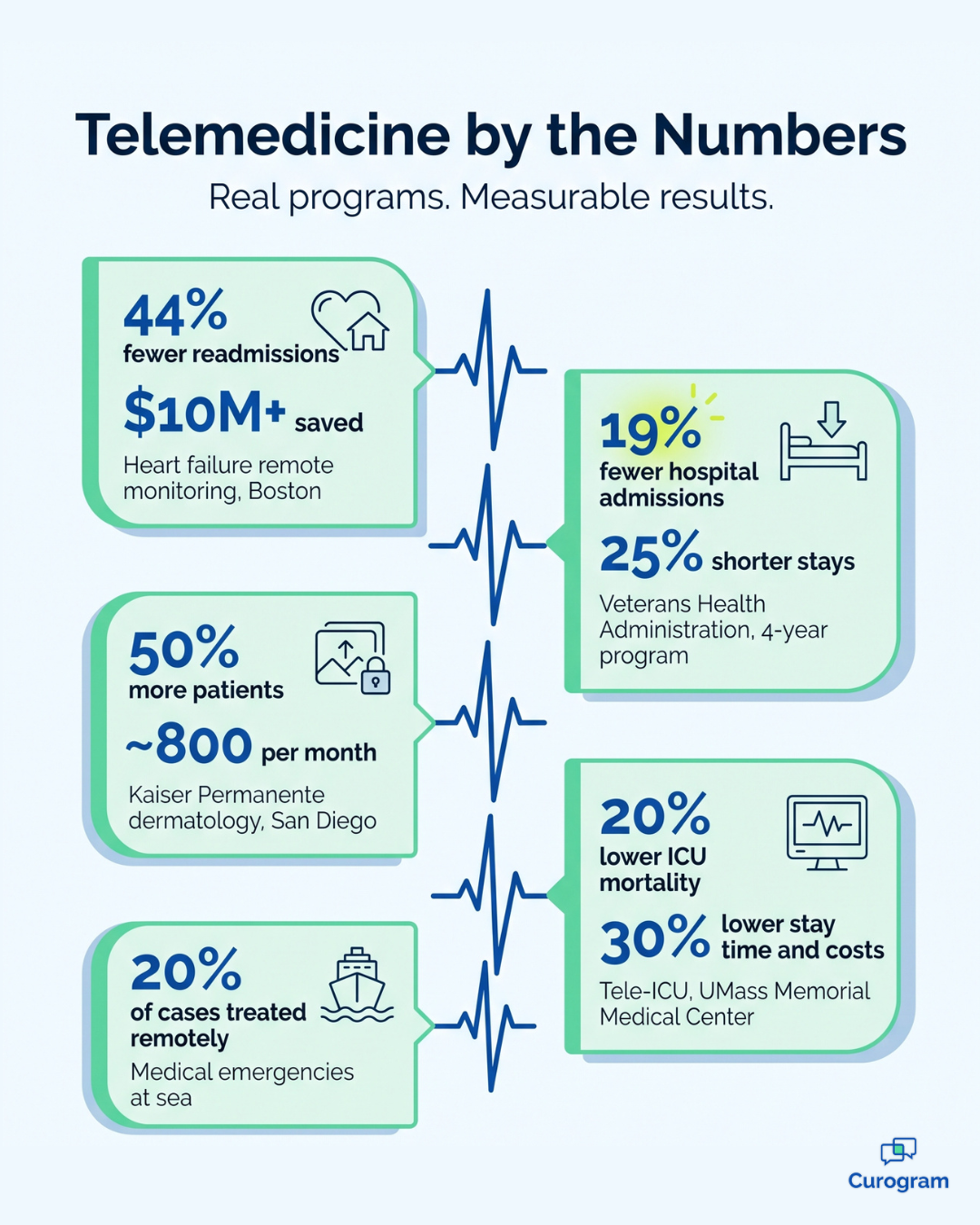
Boston’s Partners HealthCare adopted a telemedicine program for the purpose of facilitating the treatment of congestive heart failure patients. Over 3,000 patients were instructed to use monitoring devices from their homes to send data regarding their weight, blood pressure, and other relevant metrics to the organization.
By leveraging the medical data and using clinical decision support software, they were able to identify quickly which patients needed interventions, and when. This enabled a panel of four nurses to provide effective care to over 250 patients.
The program was a huge success, resulting in 44% fewer readmissions by the participants and cost savings of over $10 million.
Veterans Health Administration ran a four-year program that included remote patient monitoring and disease management using telemedicine for patients with various chronic conditions. Compared to traditional care, helping patients manage their conditions remotely increased patient satisfaction, reduced hospital admissions by 19%, and shortened hospital stay by 25%.
San Diego Kaiser Permanente dermatologists embraced telemedicine and provided the referring physicians with the ability to send images and patient information for review through a secure server.
By removing the need to see every patient in-person, Kaiser Permanente dermatologists were able to treat 50% more patients — or about 800 patients monthly.
The University of Massachusetts Memorial Medical Center in Worcester turned to tele-ICU to facilitate the treatment of patients admitted to the intensive care unit.
By enabling trained intensivists to provide remote care to ICU patients, the Medical Center achieved a 20% decrease in mortality and reduced the stay time and care costs by 30%.
Another great example of telemedicine in action is providing medical care to sailors and guests on cruise ships. When there’s a medical emergency on a ship or a cruiser that is hundreds of miles away from land, let alone a hospital, telemedicine can be a life-saver.
During medical emergencies, ships would typically have to divert course to reach a medical facility, losing both time and money in the process, all the while racing the clock and praying they’ll make it to a medical facility in time.
A study by the International Maritime Health journal showed just how big of an impact telemedicine can have in healthcare for seafarers. It highlighted the fact that in 20% of the cases, medical services delivered remotely were sufficient to treat the patient, allowing ships to stay the course.
Telemedicine offers clear benefits for both patients and providers. If you're ready to offer virtual visits, keep two things in mind: compliance and ease of use.
First, your platform must comply with HIPAA. You'll be sharing protected health information (PHI) online, so every visit needs to happen in a secure, protected setting.
Curogram is a fully HIPAA-compliant telemedicine solution built for healthcare providers. It comes with built-in administrative and technical safeguards and encrypted connections. You can treat patients remotely without worrying about the technical details.
Curogram also integrates with most major EHRs. Appointments sync from your EHR or practice management system, so your team only enters them once.
| Curogram EHR Integrations | |
|---|---|
| eClinicalWorks | athenahealth |
| Epic | Oracle Health (Cerner) |
| DrChrono | NextGen |
| Practice Fusion | CareCloud |
| Tebra (Kareo) | Office Ally |
| See all integrations |
You don't need to hire IT experts or legal consultants to get started. Curogram handles the technical setup, so you can launch your virtual clinic quickly.
Ease of use matters just as much. You don't want to spend months and thousands of dollars training staff on a complicated platform. And if a tool is hard for patients, they simply won't use it.
Convenience is the whole point of telemedicine. That's why Curogram is built to be simple for doctors, staff, and patients alike.
| Why Teams Choose Curogram | |
|---|---|
| Why doctors love it | • Waiting room tools help MAs and nurses check patients in and out and prepare them for virtual visits • HIPAA-compliant texting keeps staff and patients connected • Doctors can join and leave video calls easily, with no onboarding hassle • Works on laptops, phones, and tablets • Full EHR integration updates relevant data automatically, cutting manual admin work |
| Why patients love it | • No app downloads or complex sign-up forms • Visit links arrive by text message • Two-way texting lets patients reply to reschedule or ask questions • No long drives or waiting rooms, which saves time and money |
| Why clinics love it | • Cuts phone calls by 50% with unlimited two-way texting that replaces day-to-day calls • Reduces no-shows with automated, templated text reminders; Curogram clinics report no-show rates 53% below the industry average • Builds your online reputation by inviting patients who rate your clinic 9 or 10 to leave a five-star review |
Telemedicine started as a solution for distance. Today, its impact reaches much further.
It helps rural patients see a doctor without losing a day of work. It gets stroke patients in front of a neurologist in minutes instead of hours. It lets people recover from injuries at home, gives ICU teams extra support, and keeps patients with heart disease or diabetes engaged in their care between office visits.
The results are real, not theoretical. Programs across the country have cut readmissions by 44%, reduced hospital admissions by 19%, lowered ICU mortality by 20%, and helped specialists see 50% more patients. Those numbers translate into healthier patients, more efficient schedules, and lower operational costs for everyone.
Telemedicine works best when it fits naturally into your practice. It shouldn't replace in-person care. It should support it, handling the follow-ups, check-ins, and routine visits that don't need a hands-on exam.
The right platform makes that balance much easier. Look for one that keeps every visit HIPAA compliant, syncs with your EHR, and stays simple for your staff and patients. If a tool adds extra steps, people stop using it. If it removes them, virtual care quickly becomes part of your everyday routine.
That's where Curogram comes in. It brings video visits, two-way texting, automated reminders, and EHR integration together in one secure platform. Patients join from a simple text link, and your team manages everything from one place.
The practices that thrive over the next few years will be the ones that meet patients where they are. For a growing number of patients, that means a phone screen at home rather than a seat in your waiting room.
Ready for the next step? Book a demo to see how Curogram's telemedicine tools fit your practice and discover how simple virtual care can be.
 Joshua Inciso : 2/8/22, 6:12 AM
Telehealth is a critical part of a modern medical business. Learn all about telemedicine to ensure you make the most of this valuable tool.
 Michael Hsu : 6/19/20, 10:40 AM
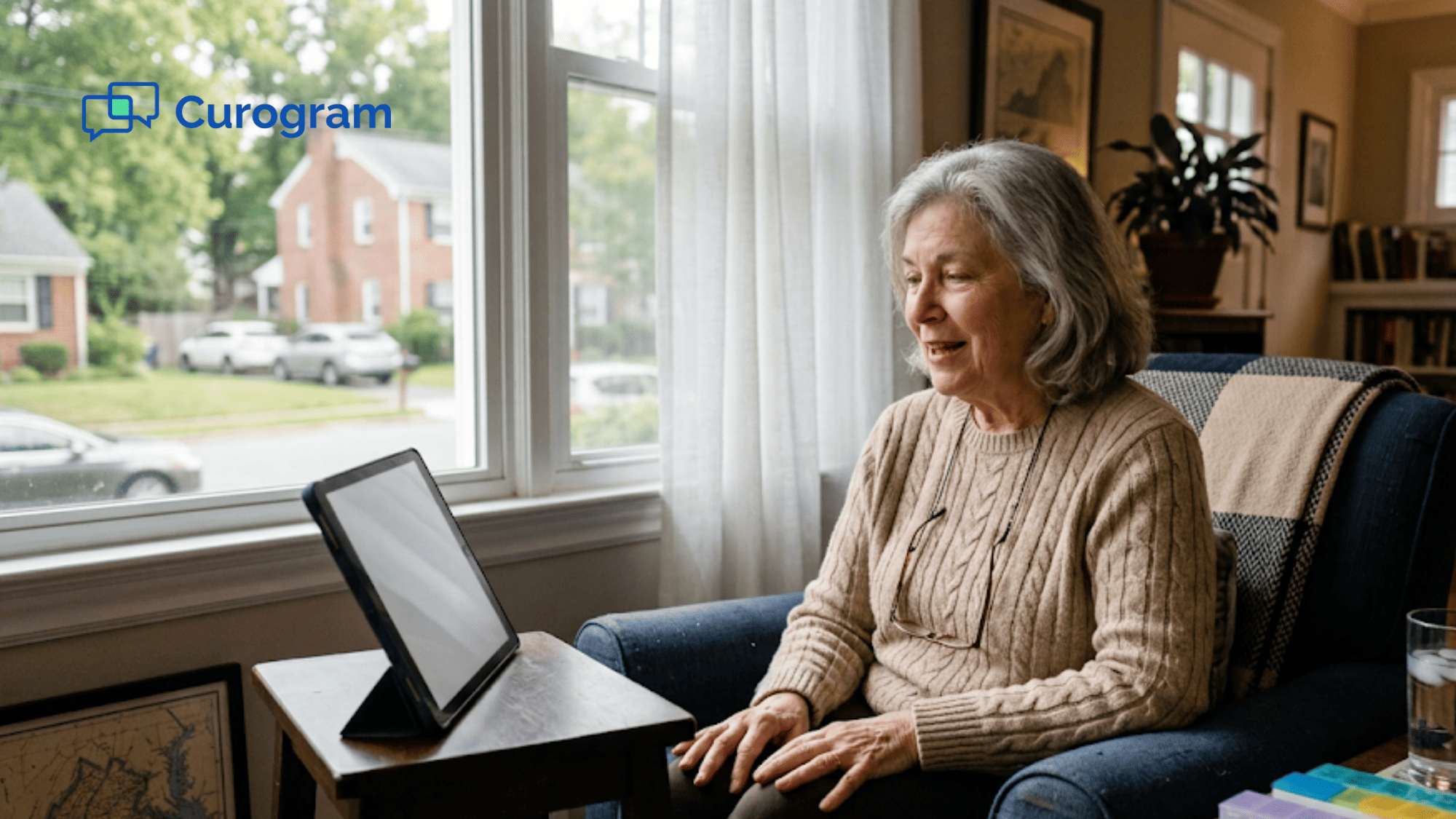
Looking to capture the telehealth market? Here are the best methods that will help you practice telemedicine in Virginia profitably and successfully.
 Carylee Gali : 3/1/22, 7:00 AM
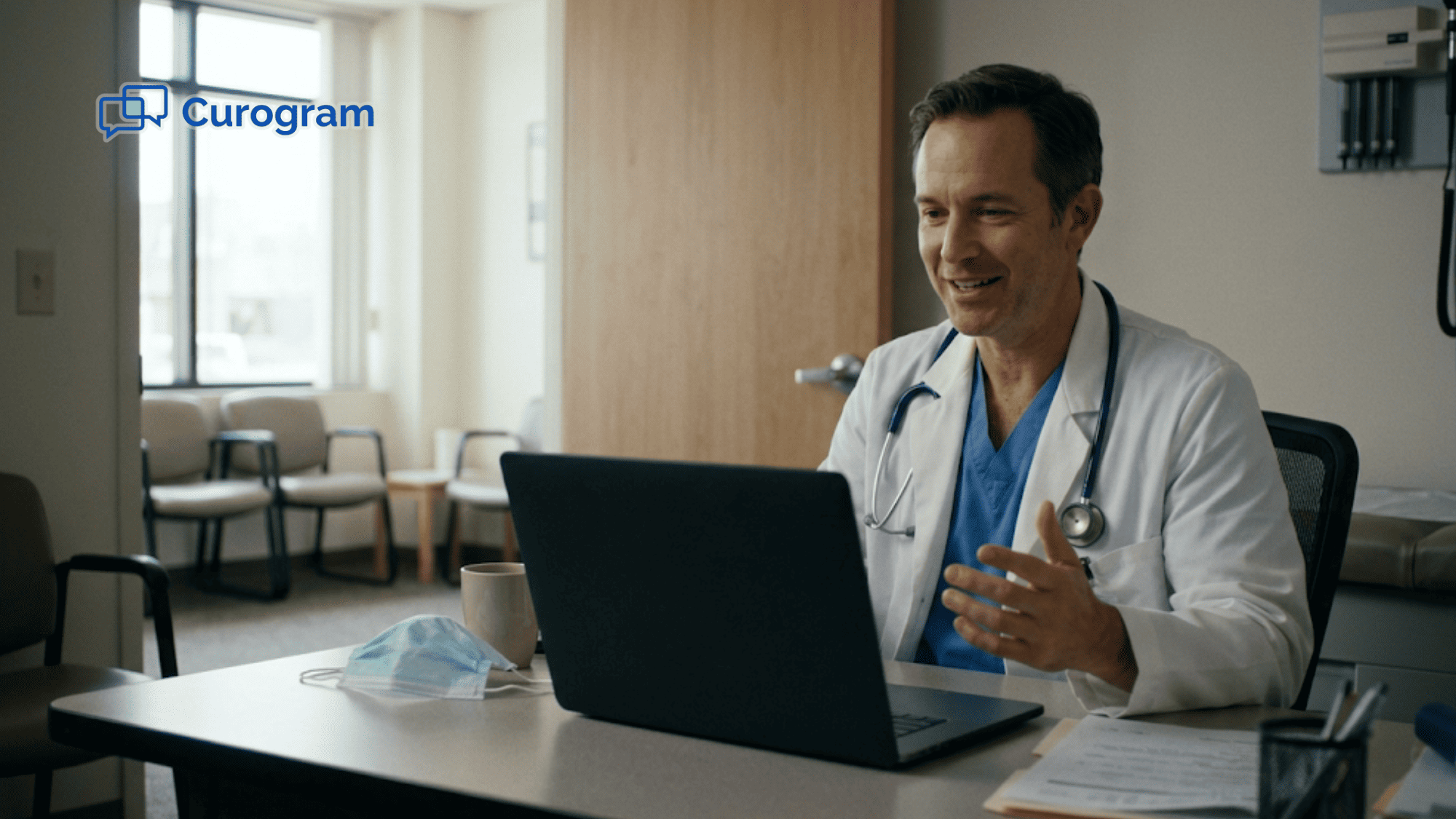
Discover the policy changes that made telehealth work during the COVID-19 pandemic and what they mean for you now. Book a demo to see Curogram in...