
How Telehealth Enhances Patient Engagement
 Carylee Gali : 4/4/22, 7:00 AM
Telehealth helps establish patient engagement and expands care beyond the office using video conferences, SMS, and remote patient monitoring (RPM).
8 min read

A 15-minute doctor's appointment rarely takes 15 minutes.
For most patients, it means leaving work early, finding parking, sitting in a waiting room, and driving back. Some also have to line up child care or a ride. By the time it's over, a short visit has eaten up half the day.
That gap between the care itself and the hassle around it shapes how patients feel about your practice. And how they feel matters more than many busy practices ever realize.
The Agency for Healthcare Research and Quality (AHRQ) and the American Academy of Family Physicians (AAFP) sort healthcare quality into four types of measures: structural, process, outcome, and patient-reported. AHRQ makes one point clear. You can't get a full picture of quality without looking at the patient experience.
Patient experience sits right next to effectiveness and patient safety as a core part of good care. It's also the key to patient-centered care, a goal nearly every medical practice shares.
So how do you improve it without piling more work on your already busy team?
Telehealth is one of the most practical answers. Each state and medical board defines and limits telehealth a little differently. But the core benefits stay the same: less travel, shorter waits, easier scheduling, and faster access to care.
In this guide, you'll learn what patient experience really means and how it's measured. You'll see how telehealth removes common barriers for patients and why it helps your practice run better, too. You'll also find a simple example of what fewer no-shows can mean for your schedule and your revenue.
The good news? You don't need a major overhaul to see results. A few smart, simple changes can make care feel easier for patients and lighter for your staff.
Let's start with the basics of patient experience.
Patient experience refers to interactions patients have with doctors, nurses, and staff in clinics, medical practices, hospitals, and other healthcare facilities. It also refers to patients' actual encounters with the facilities, procedures, environment, and health institutions' processes.
More than meeting patients' expectations through patient satisfaction as a tool,
The measure of patient experience centers on patients' actual experience, such as:
The Hospital Consumer Assessment of Healthcare Providers and Systems (HCAHPS) survey instruments measure the patient experience through well-tested questions that generate valuable information from patients—the best, if not the only source of patient-centric indicators.
Through HCAHPS, patients share different aspects of their experiences about an interaction or an encounter with an HCP, a treatment, or a specific policy (e.g., billing, admission). The collection of this data generates a standard and validated healthcare quality measure that other patients, HCPs, and other interested parties can refer to anytime it is needed.
The HCAHPS surveys, or the results thereof, are critical tools and references for individuals and institutions interested in evaluating the patient-centeredness of the care they deliver and identifying areas for improvement.
If patients are happy or have positive interactions and encounters with your practice, your HCAHPS score is high.
Awareness and consideration of the patient experience provide an advantage for providers in achieving patient-centeredness in care delivery. Recognizing the importance of patient experience also helps identify ways to improve it, such as with telehealth.
Curogram, a leading telehealth software provider in the United States, defines telehealth as delivering healthcare services to patients remotely through telecommunication technology. That includes live, two-way video visits and audio-only care, such as phone calls.
The AHRQ takes a broader view. It describes telehealth as using telecommunications technology to deliver health services and information that support patient care, administrative tasks, and health education.
Either way, the result is the same. Telehealth gives patients more control over their health and fits the busy, mobile way people live today. It makes care easier to reach than ever before.
It also closes gaps in access. In areas where the demand for doctors is far higher than the supply, patients often wait weeks or travel for hours. Telehealth helps bridge that gap in medically underserved communities, both rural and urban.
Distance stops being a barrier. Patients who once spent hours on the road to reach the nearest provider can now connect from home. Those who need a specialist in another state can skip the cost of travel and lodging, along with the stress of a long trip.
Telehealth also cuts the hidden costs that come with an in-person visit.
Here's how it helps different groups of patients:
| Patient group | Common barrier | How telehealth helps |
|---|---|---|
| Working adults | Taking time off for appointments | Visits fit into a lunch break |
| Parents | Finding child care before leaving home | Care happens from home |
| Older adults | Can't easily drive or commute | No travel needed |
| Patients with disabilities | Hard-to-access transportation | Care comes to them |
| Rural patients | Hours of travel to the nearest provider | Quick access by video or phone |
| Patients who see out-of-state specialists | Travel and lodging costs | Remote consults from home |
For working patients, the stakes are real. Without telehealth, many put work first and skip care altogether.
So what does that time savings look like?
Here's an illustrative example. Say a routine follow-up takes a patient 2 hours door to door, including travel and waiting. The same visit by video might take 20 minutes.
For a patient with 4 follow-ups a year, that's nearly 7 hours given back. In practice, that's almost a full workday they don't have to lose.
Adding patient-centered telehealth to your practice can be simple and cost-effective. Curogram is a telehealth platform that makes remote care easy for doctors and patients to use. Patients join a virtual visit through a link sent by text message and can be connected with a licensed provider in a matter of minutes.
|
Not every visit needs to go virtual on day one. Many practices start with follow-ups, medication checks, and lab result reviews. These visits rarely need a physical exam, and patients are often happy to skip the drive. Begin with one or two visit types, track how patients respond, then expand. This keeps the change manageable for your staff and gives you real feedback before you scale. |
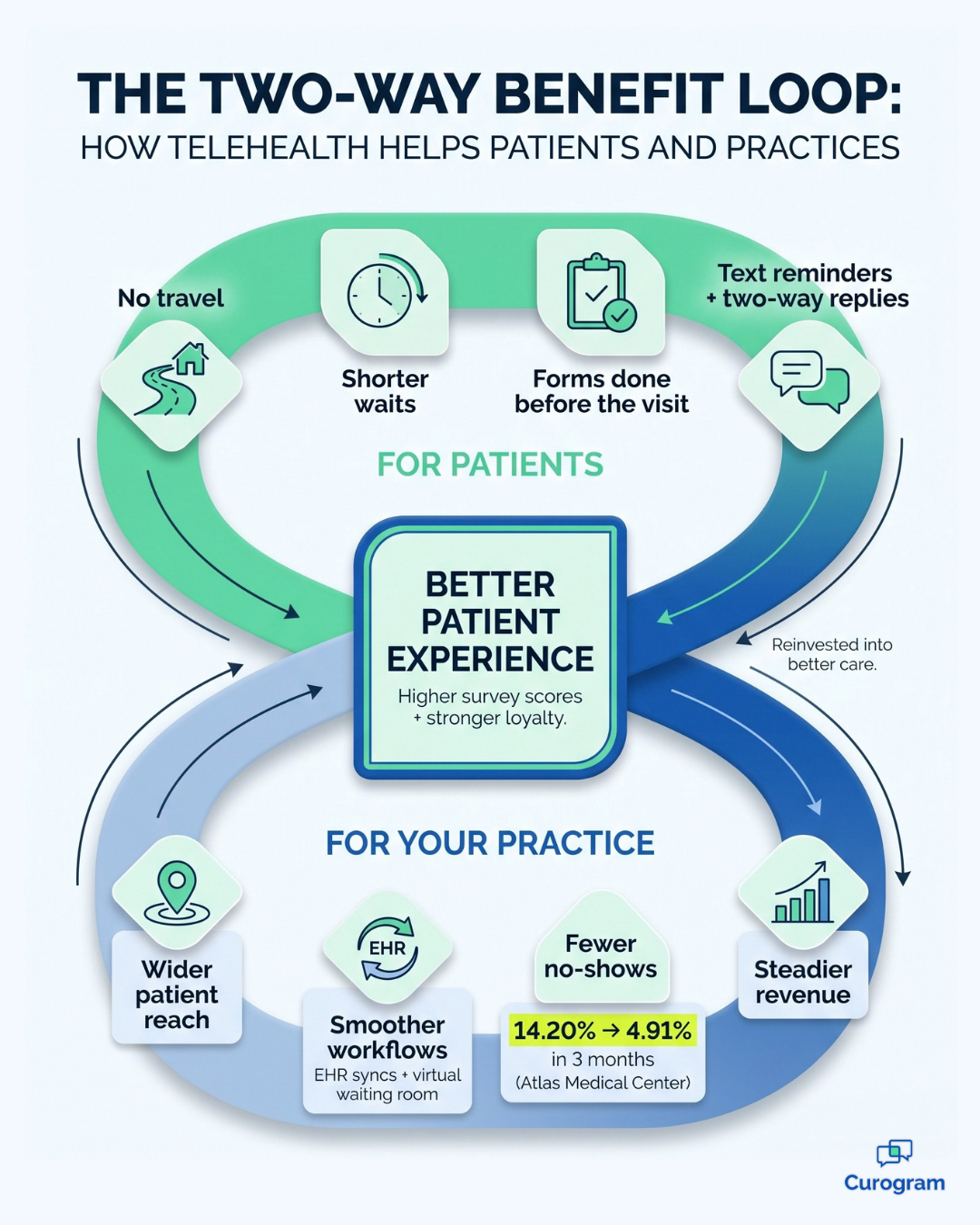
Medical professionals benefit significantly from telehealth, increasing efficiency, saving on operational costs, and further improving patient experience and high HCAHPS scores.
Healthcare providers also benefit from telehealth and from the corresponding positive patient experience, and vice versa. These benefits include an increase in revenue resulting from an increased patient base, efficient office operations, improved staff workflow, and reduced patient no-shows.
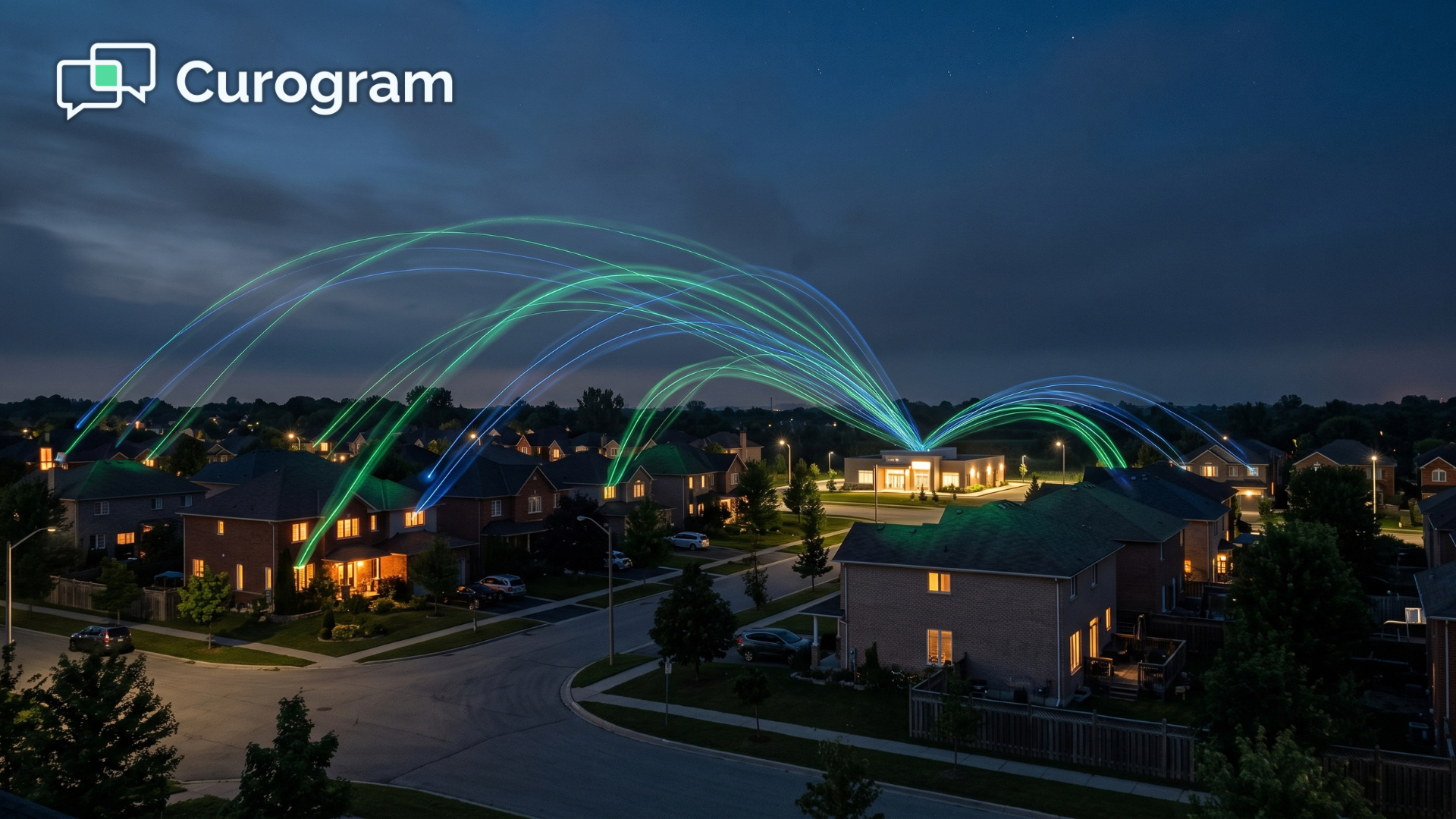
Telehealth improves access to healthcare and expands a medical professional's reach to provide for more patients. An increasing number of HCPs from most states embrace telehealth because of the benefits it gives them in improving access to medical care and reaching patients regardless of their location.
Giving more access and expanding the reach to patients enables practices to also increase revenue. Offering telehealth services broadens your patient base, from rural patients to urban patients because of the convenience, lower cost, and less hassle. Given the opportunity, patients prefer to experience the more advanced and modern medical practice available through telehealth.
Office workflows and efficiency improve with telehealth's capability to allow your practice to obtain patients' medical information before virtual visits. Curogram, for example, automatically sends electronic patient intake forms a few days in advance of the scheduled virtual appointment.
In addition, Curogram integrates with any EHR and saves medical practices from manually encoding medical information. The platform also allows you to set up and start your virtual clinics, efficiently simulating a waiting room to quickly onboard patients when it's their turn and check out after their appointment.
Patient no-shows reduce when HCPs implement telehealth options. As telehealth satisfies patients' desire to control their schedules and cancel or reschedule appointments easily, there is a significant reduction in patient no-shows.
Some telehealth platforms, like Curogram, also offer features that reduce patient no-shows more dramatically. It allows you to create HIPAA-compliant text messages and SMS appointment reminders. The coolest thing is, your patients can respond via SMS if they need to reschedule, cancel the appointment, or have any inquiries.
According to Curogram, medical practices that implement 2-way text messaging reduce no-shows by 75%!
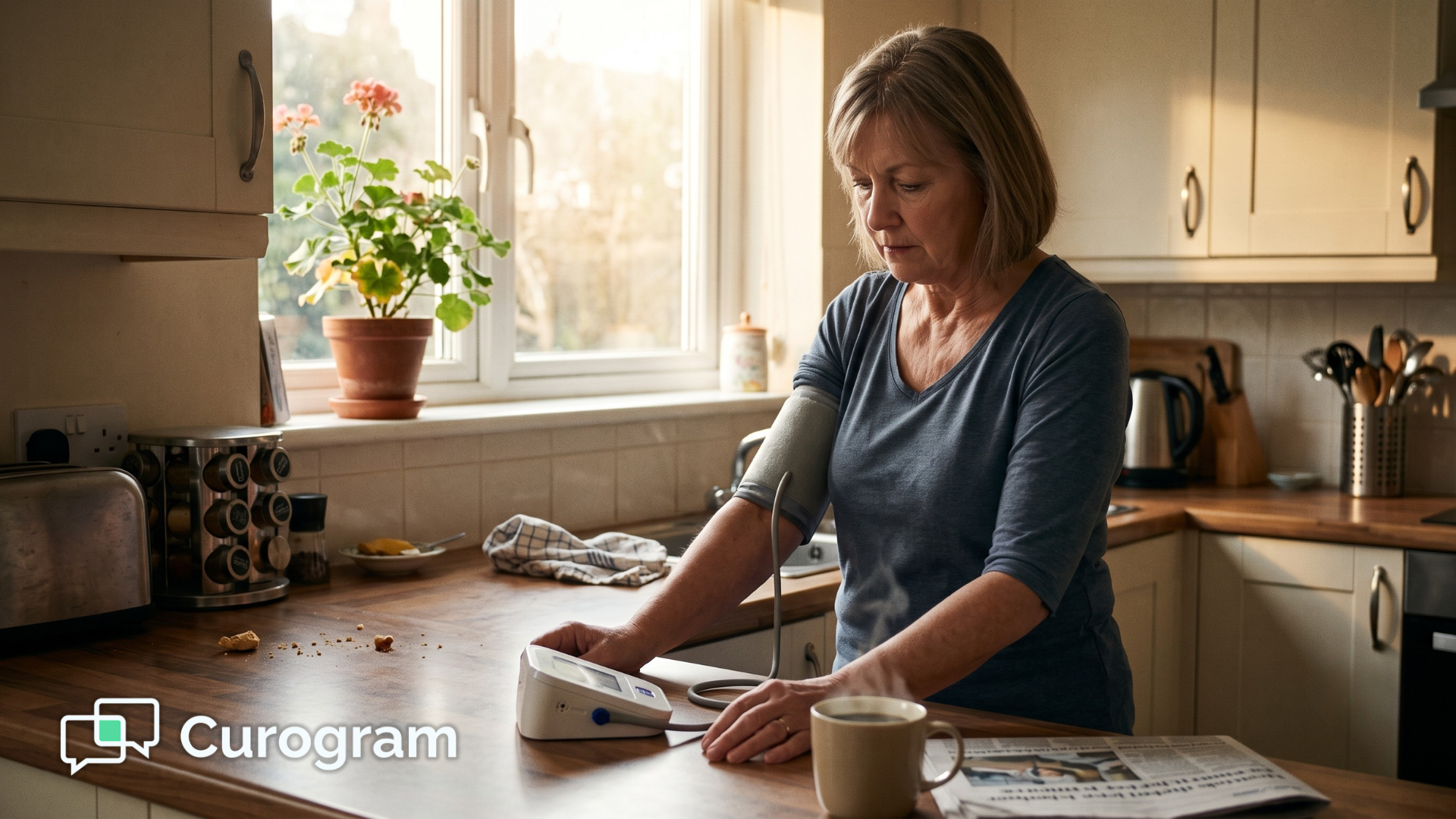
Another telehealth feature that benefits medical practices and further improves patient experience is facilitating remote patient monitoring (RPM). Telehealth allows healthcare providers to monitor patients with chronic health conditions remotely through modern technology, giving them timely updates and insights into the patient's condition.
Telehealth uses modern telecommunication devices to allow HCPs to record, acquire, and analyze medical data without requiring patients to have an in-office visit.
Patient experience isn't shaped by one big moment. It's shaped by dozens of small ones: how easy it is to book, how long patients wait, how quickly they get answers, and how much of their day a visit takes.
A better patient experience comes from putting patient-centered care models and strategies into practice. Of all the options available, telehealth may be the most versatile. It meets patients where they are, whether that's at home, at work, or hours away from the nearest clinic.
For patients, the payoff is easy to see. Fewer trips. Shorter waits. Care that fits into a lunch break instead of taking over a whole afternoon.
Older adults, parents, busy professionals, and rural patients all gain access that used to be hard to come by. People who once put off care can now receive it on their own schedule.
For your practice, the gains are just as real. Digital intake cuts manual data entry. Automated reminders and two-way texting reduce no-shows.
Remote patient monitoring keeps you connected to patients between visits. Together, these changes save time, reduce expenses, and help protect your revenue.
Now here's the part that matters most of all. Every one of those efficiencies shows up in how patients feel about your care. That's what lifts survey scores, builds loyalty, and keeps patients coming back.
You don't need to rebuild your whole practice to get started. Begin with a few appointment types, listen to patient feedback, and grow from there. Small improvements add up quickly when patients notice the difference.
Ready to see how virtual visits, secure texting, and automated reminders can work together in one platform? Explore how Curogram can improve your patient experience with a personalized demo. You'll see how simple remote care can be for your patients and your whole team.
 Carylee Gali : 4/4/22, 7:00 AM
Telehealth helps establish patient engagement and expands care beyond the office using video conferences, SMS, and remote patient monitoring (RPM).
Learn how two-way SMS can streamline telehealth, boost patient communication, and ensure HIPAA compliance for your care practice with an actual case...
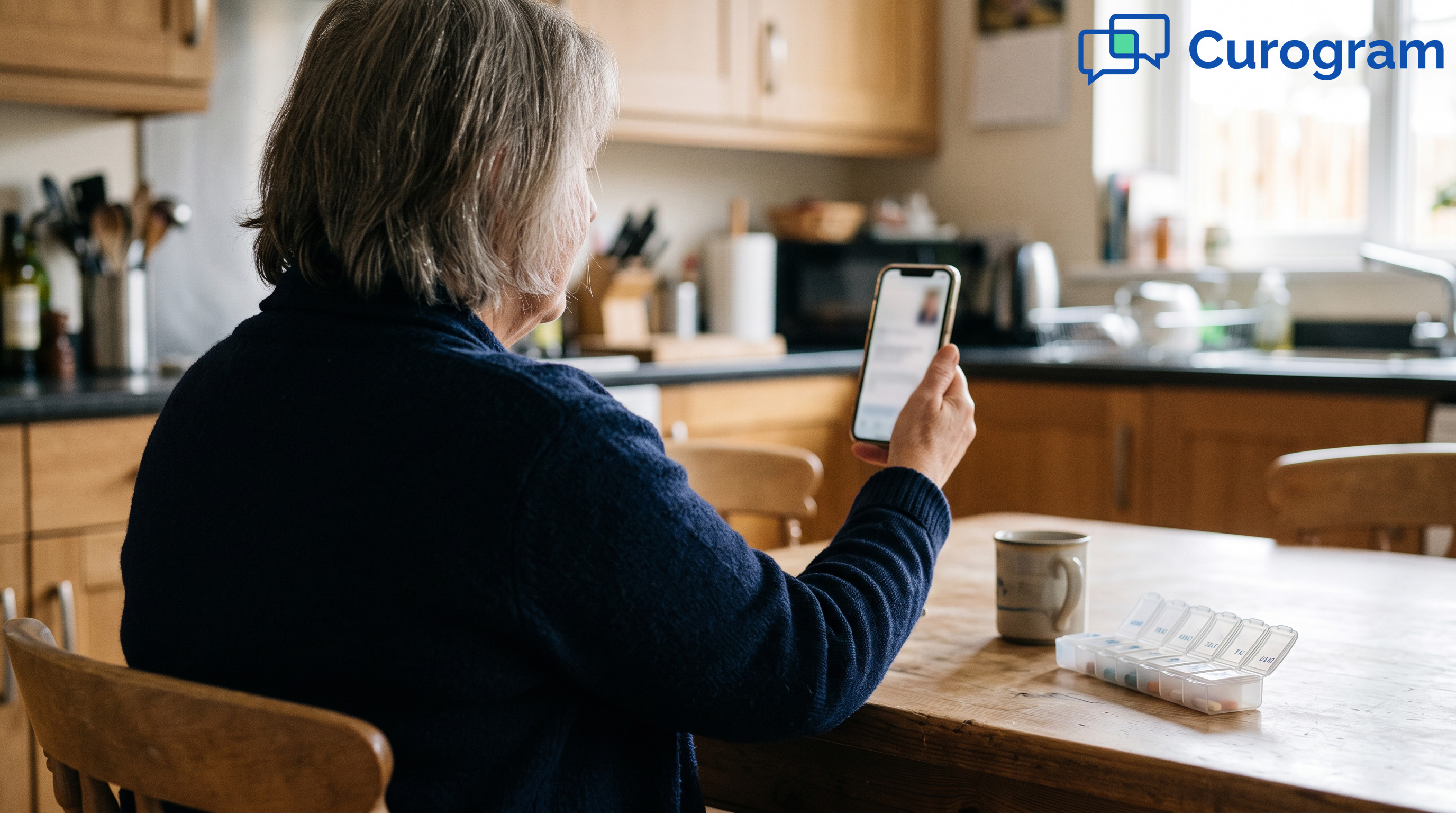
Telehealth offers a variety of different benefits, including improved patient care and healthcare quality. Here are 5 others.