
Delivering Virtual Visits with Telehealth in Office Ally
 Sharee Narciso : Dec 3, 2025, 4:00:00 PM
Learn how Office Ally practices simplify virtual visits and follow-ups with Curogram’s HIPAA-compliant telehealth.
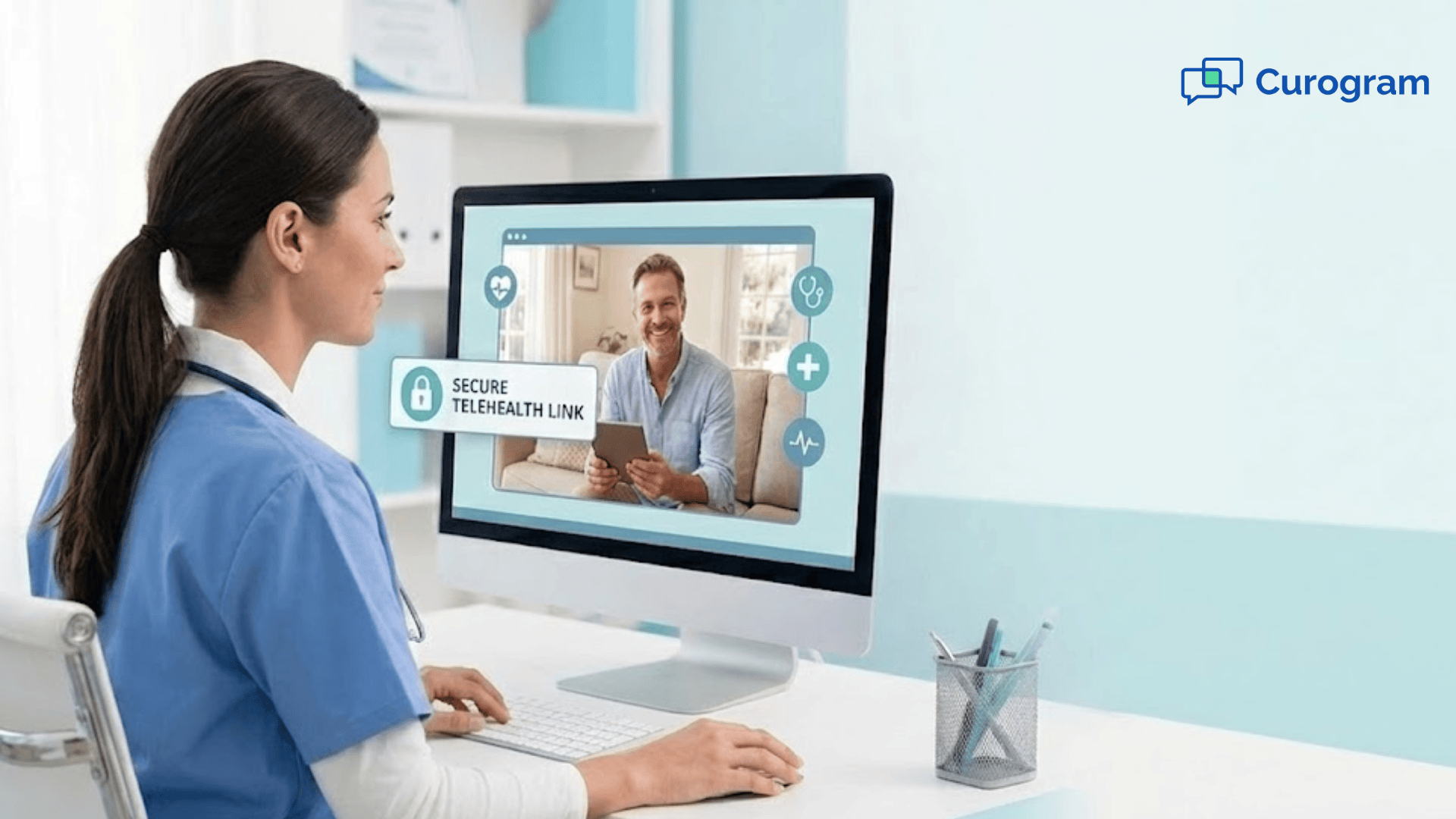
When a patient cannot come into the clinic, the visit often gets postponed. Some families struggle with transportation. Others have work schedules that make traditional appointments hard to keep. In many cases, the delay affects the patient’s health, and parents or caregivers feel frustrated. You may see the same pattern in your clinic. You want to help, but your tools only go so far. When virtual options are limited or confusing, patients simply miss out on care they need.
Virtual visits DrChrono providers use give families another way to connect. Instead of relying on multiple disconnected video tools, telehealth sessions become part of your normal workflow. Curogram offers a secure link that patients can open on any device. They do not need to download an app or create an account. They simply tap and join. This gives your clinic a calmer, more organized way to support remote care.
In this blog, you will explore three important areas. First, you will learn what happens when clinics do not have telehealth built into their daily workflows. Then you will see how Curogram supports DrChrono telehealth workflows by offering simple access and organized communication. Finally, you will walk through the benefits for both staff and patients, along with a real use case where a pediatric clinic increased completed sick visits by 18 percent using virtual care.
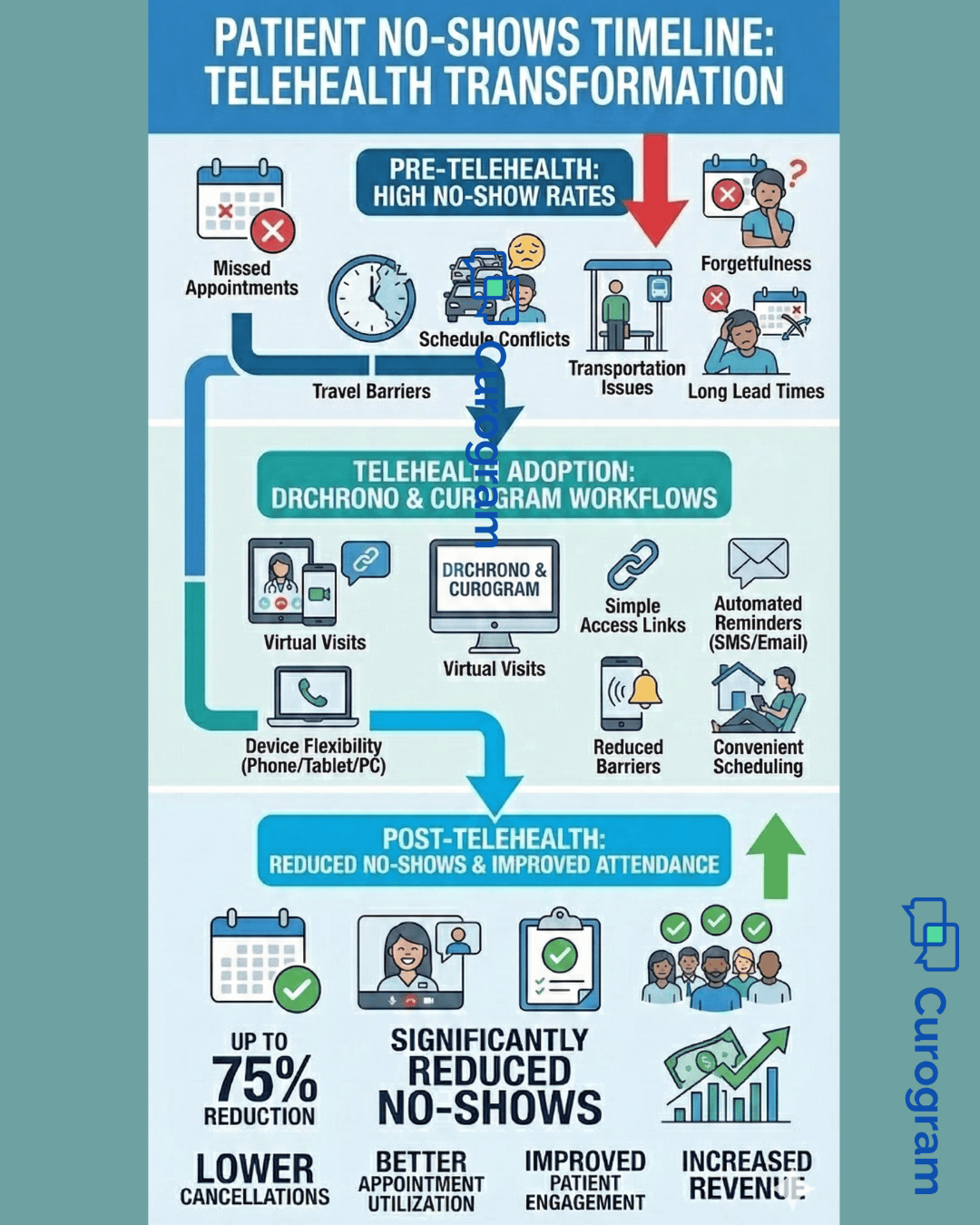
When your clinic does not have a dependable telehealth option, access to care becomes uneven. Families may miss visits because they cannot take time off work or do not have reliable transportation. Some parents want quick reassurance, but the thought of traveling for a short appointment discourages them. Over time, these missed visits affect continuity of care and leave families feeling unsupported.
Another issue appears when clinics rely on multiple tools that are not connected to the EMR. Staff may schedule a visit in DrChrono, send a video link through a separate platform, and then document everything manually. This forces your team to jump between apps, copy details, and double-check links. When families receive different messages from different systems, confusion grows. Some patients even miss the visit because they cannot find the correct link.
Technical issues add more frustration. If patients need to download an app or create an account, many become overwhelmed. Older adults may struggle with setup instructions. Parents rushing between responsibilities may not have time to troubleshoot. Without a simple, direct way to join, patients give up or postpone care. This leads to more gaps in follow-up and fewer completed visits.
Staff feel the impact as well. When virtual visits are not part of the main workflow, scheduling becomes harder. Team members must remind patients manually, resend links, and answer questions about how to connect. These tasks distract from other responsibilities. Over time, the extra work causes stress and makes telehealth feel unreliable.
Finally, without telehealth built into the EMR, visit notes and communication can become scattered. Staff might forget to upload documents or properly link a virtual session to the right patient chart. This creates risk and makes charting more difficult.
For small practices trying to stay efficient, these challenges slow everything down. Consistent telehealth support, built directly into the tools you already use, helps remove these obstacles and gives patients a dependable way to stay connected to their care.
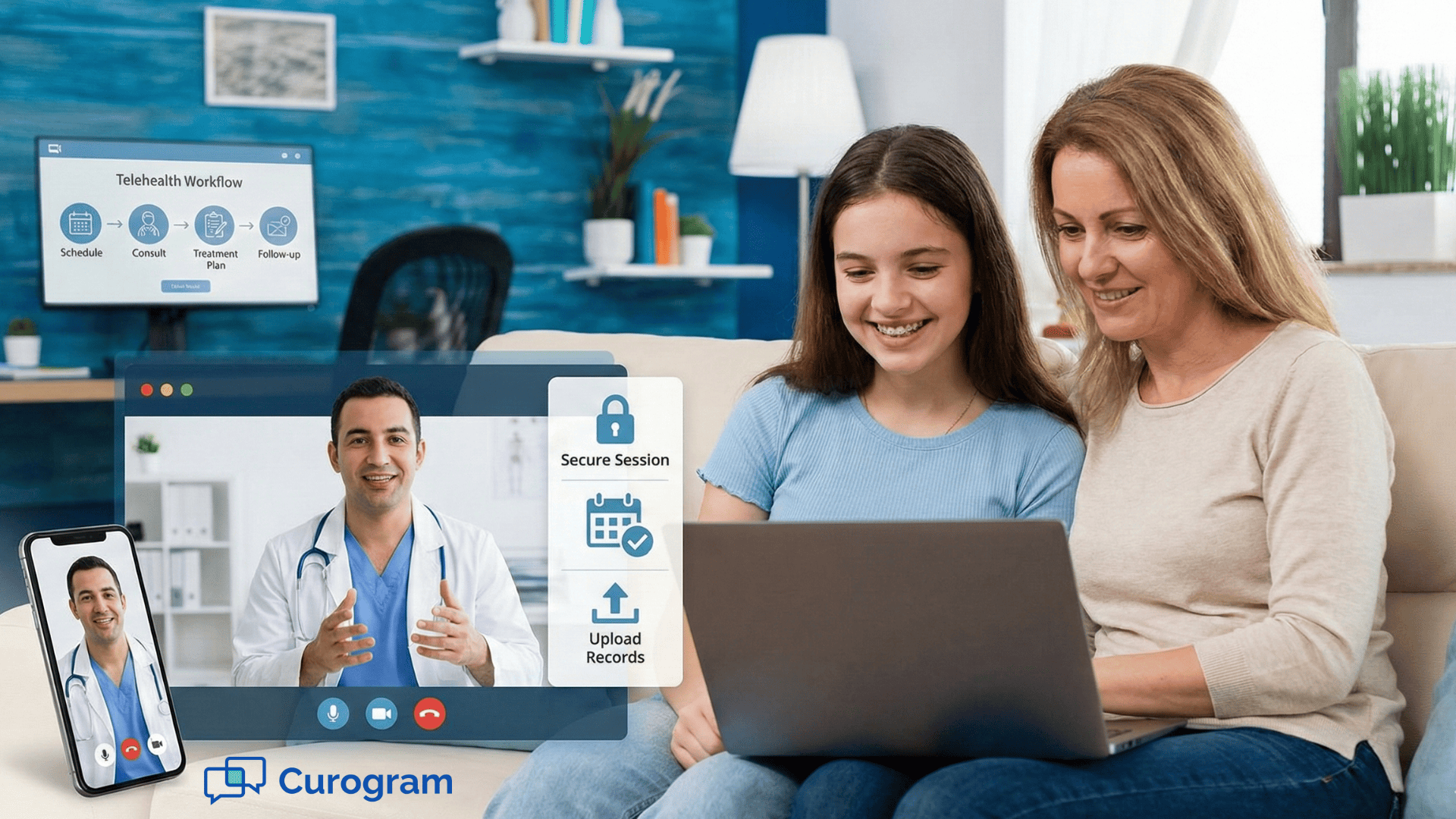
Curogram makes virtual visits DrChrono providers deliver simple by creating a workflow that fits naturally into your daily operations. Instead of juggling multiple apps, you launch telehealth sessions from one place. The system sends patients a secure link automatically. They tap the link on their phone, tablet, or computer and enter the visit. There are no accounts to set up and no confusing steps. This helps reduce missed sessions caused by technical issues.
For staff, scheduling becomes easier. When you book a virtual visit in DrChrono, Curogram handles the messaging and reminders. Patients receive instructions that look consistent every time. Your team does not have to explain how to join or resend links repeatedly. This reduces the number of phone calls and frees staff to focus on other responsibilities.
All visit activity remains connected to the patient chart. After the telehealth session, staff can attach relevant notes or documents to the correct record. This prevents information from getting lost across platforms. Everything stays within your existing workflow, so providers do not have to switch between tools.
Curogram also supports patient access from any device. Some families prefer smartphones. Others use laptops or tablets. Because the link is flexible and requires no downloads, patients can choose the device that feels most comfortable. This broad compatibility helps families attend visits even when they are not at home.
The platform also supports group messaging when families or caregivers need to join the conversation. This helps during pediatric visits, chronic condition management, or follow-up discussions involving multiple family members. Staff can coordinate these conversations smoothly because everything stays connected to the patient’s record.
By keeping virtual care organized and simple, Curogram strengthens DrChrono telehealth workflows and helps your clinic deliver consistent, high-quality online care. The workflow becomes predictable, reliable, and easy for both staff and patients to follow.
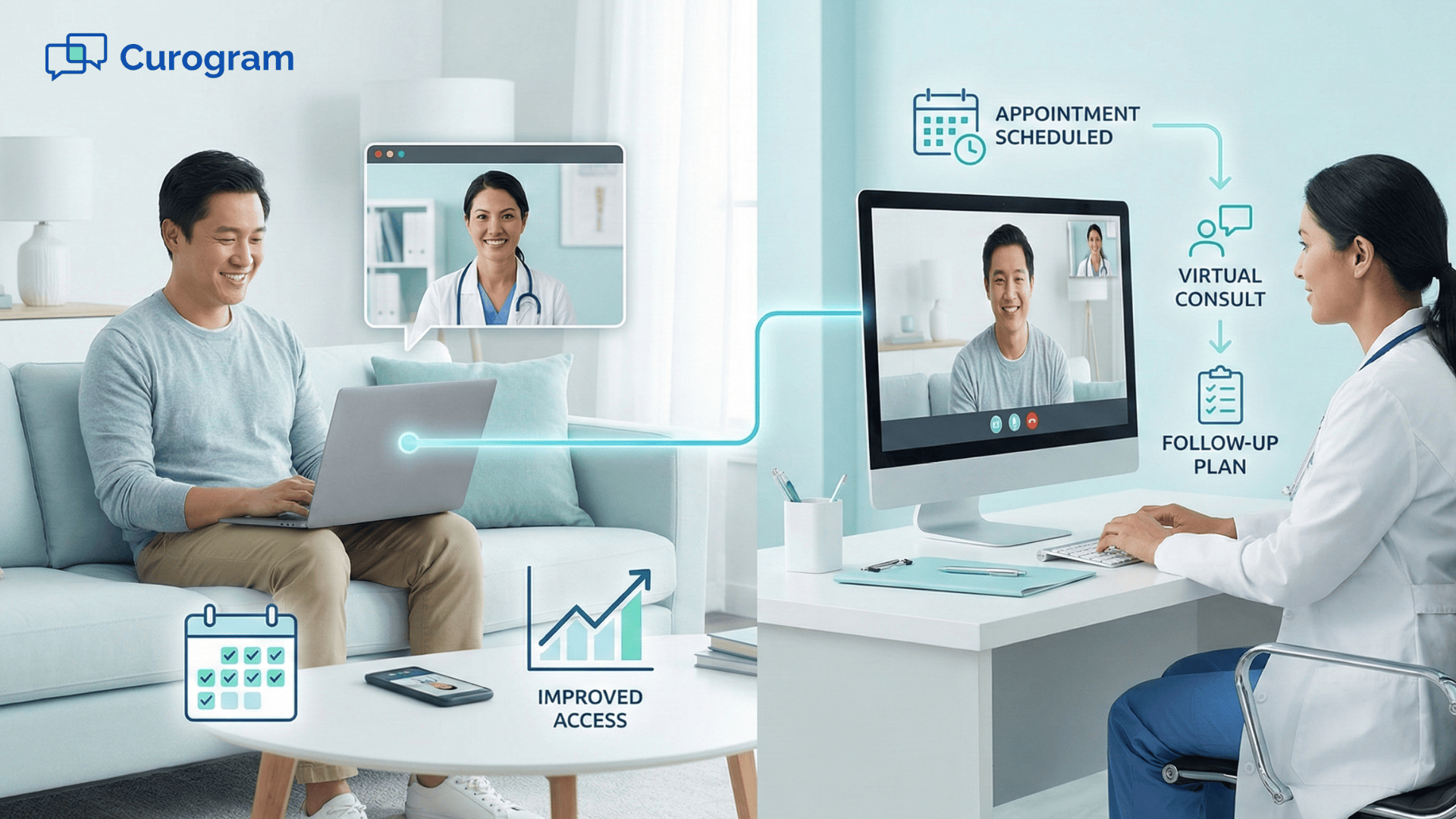
Telehealth adds convenience for patients and creates a more predictable workflow for your team. When virtual visits DrChrono clinics offer become part of daily operations, staff spend less time troubleshooting and more time supporting patients. Families receive care even when time, travel, or illness makes in-person visits difficult. The benefits build steadily over time and support both clinical and emotional needs.
Many patients miss appointments because they cannot physically reach the clinic. Virtual visits remove that barrier. When families can join from home, work, or school, they stay engaged in their care. This leads to more completed visits and better continuity.
Telehealth helps families receive support quickly. Parents do not have to take children across town for a short sick visit. Adults managing chronic conditions can connect with their provider sooner. The ability to reach a clinician without waiting for a full in-person slot helps prevent complications.
Staff often feel overwhelmed when juggling tools. With Curogram’s telehealth workflow, everything ties back to the DrChrono schedule. Messaging, reminders, and session links stay in one system. This makes each day easier to manage.
Families receive helpful reminders and instructions before the visit. They know when the appointment starts and how to join. This reduces confusion and prevents last-minute questions that slow down the workflow. Staff feel supported instead of rushed.
Telehealth sessions link to the DrChrono record. Providers can attach notes, messages, and documents directly to the patient chart. This keeps everything organized and reduces charting errors. It also supports accurate follow-up care.
Patients appreciate convenience. They can join from their living room instead of navigating traffic or taking time off work. This creates a calmer experience and lowers anxiety around medical visits. For children, virtual care often feels more comfortable than an office setting.
Parents balancing work schedules often cannot leave during the day. Virtual visits allow them to receive guidance without interrupting their responsibilities. This helps them stay engaged with their child’s health even during busy periods.
People with long-term conditions need regular check-ins. Telehealth makes frequent follow-ups easier. Providers can monitor symptoms and adjust care quickly. This leads to better long-term outcomes.
When some visits move online, in-person waiting rooms become less crowded. Staff can give more attention to patients who truly need to be onsite. It improves safety during peak seasons such as cold and flu months.
Patients who are sick or recovering from injury often struggle to travel. Virtual visits help them stay connected to their provider without putting themselves at risk. This keeps care moving forward even when mobility is limited.
Families who live far from medical facilities benefit from telehealth the most. Virtual visits allow them to receive care without long drives. This helps close access gaps and supports early treatment.
Follow-up visits often require discussion rather than physical exams. Telehealth makes those conversations faster and easier. Providers can answer questions, review progress, and adjust plans quickly. Patients appreciate the flexibility.
With an organized telehealth workflow, staff do not spend time fixing broken links or coordinating multiple tools. They can put their energy toward helping patients. This improves morale and supports a calmer environment.
Telehealth expands the ways patients can reach you. It supports people with limited transportation, childcare challenges, or unpredictable schedules. It ensures that access does not depend on circumstances outside their control.
Over time, virtual visits DrChrono providers use help build stronger relationships with patients. Families feel seen and supported. Staff feel confident knowing they have tools that work well every day. The entire clinic becomes more connected through consistent communication and improved access.
A pediatric clinic noticed that many families missed sick visits because parents could not leave work or drive across town. Children often went without guidance for a day or two, which delayed treatment. The clinic wanted a simpler way to support families during busy weeks. They decided to adopt telehealth as part of their DrChrono workflow.
Curogram made it easy for parents to join virtual visits using a secure link from any device. Families could connect from home, school, or work without downloading apps. Providers completed the visit, documented notes in DrChrono, and attached everything to the patient chart. Within a few months, the clinic saw an 18 percent increase in completed sick visits. Parents felt relief having quick access to care, and providers felt more connected to their patients.
If you are ready to add telehealth to your clinic, start with your current DrChrono schedule. Identify the visit types that work well virtually, such as follow-ups, sick visits, or medication checks. Create a simple workflow with clear reminders and instructions so patients know how to join. Keep the steps short and easy to follow.
Next, connect your telehealth sessions to your existing charting process. Make sure staff know how to document visits and attach notes. Test the workflow with a few patients to see how it feels. Adjust timing, message style, or instructions based on feedback.
Telehealth does not need to be complicated. With the right tools, it becomes a natural extension of your daily operations.
Curogram helps bring virtual visits DrChrono workflows to life by creating a simple, organized experience for patients and staff. Patients receive a secure link they can open on any device. They do not need to download apps or manage accounts. This lowers frustration and makes telehealth feel natural.
Staff benefit from a predictable workflow that fits directly into the DrChrono schedule. The system sends reminders, instructions, and access links automatically. Providers can focus on the actual visit instead of troubleshooting technology. After the session, all notes and documents connect to the correct chart.
For small clinics, the biggest advantage is calm. Telehealth no longer feels like an extra tool to manage. It becomes a smooth extension of your care. Curogram supports DrChrono telehealth workflows by keeping everything organized, connected, and easy to use. This helps your clinic provide accessible, modern care without adding stress to your day.
Virtual visits DrChrono clinics offer help families stay connected to care even when travel or timing becomes difficult. Telehealth gives patients a simple way to speak with their provider from home, school, or work. It reduces missed appointments and makes follow-ups easier to complete. This supports better health outcomes and stronger continuity of care.
Curogram makes telehealth easy for both staff and patients. By sending secure links, reminders, and clear instructions, the platform keeps virtual visits organized. Staff do not have to juggle multiple tools. Providers can document everything directly in DrChrono.
For clinics that want to improve patient access, telehealth offers a practical, reliable solution. When technology becomes simple, families stay connected, and care remains consistent. Virtual visits help your clinic support patients wherever they are, creating a calmer, more responsive experience for everyone.
See how virtual visits become easier with Curogram. Book your demo today.
 Sharee Narciso : Dec 3, 2025, 4:00:00 PM
Learn how Office Ally practices simplify virtual visits and follow-ups with Curogram’s HIPAA-compliant telehealth.
Discover how Curogram’s telehealth integration for Allscripts PM simplifies scheduling, follow-ups, and patient communication.
 Sharee Narciso : Dec 3, 2025, 11:00:00 AM
Learn how Dolphin users simplify ortho consults and surgery follow-ups with Curogram’s HIPAA-compliant telehealth solution.