9 min read

2-Way Texting for Modmed Practices | Independent HIPAA-Compliant SMS

2-Way Texting for Modmed Practices | Independent HIPAA-Compliant SMS
💡 Two-way HIPAA-compliant texting for Modmed specialty practices is available through Curogram, an independent patient engagement platform that runs alongside Modmed's EMA without requiring Klara or any ModMed Patient Engagement module. 

Curogram supports dermatology, orthopedics, ophthalmology, gastroenterology, pain management, and plastic surgery practices with secure SMS sent from the office's existing phone number.  

Text messages reach a 98% open rate compared to single-digit engagement from patient portals.

Atlas Medical Center cut no-shows from 14.20% to 4.91% in three months — a real example of what an independent texting platform for Modmed EHR can recover in lost revenue.


Your EMA charting is excellent. Your patient messaging is not.

That gap is the quiet frustration inside thousands of specialty practices right now. You picked Modmed because EMA truly is the best clinical tool for your specialty — and the rankings confirm it year after year.

But the patient communication layer that came bundled with it? That's a different story altogether.

Klara was supposed to fix the messaging side. After the 2022 acquisition, it was rebranded as ModMed Patient Engagement and folded into the wider stack. On paper, it still offers secure messaging, webchat, and call-to-text. In practice, the experience has been quietly slipping for years — and your front desk feels every minute of it.

Patients struggle through portal logins. Confirmations get lost. Image uploads require multiple clicks. Meanwhile, your team is fielding 80+ inbound calls a day for things a single text could handle in 10 seconds.

Here is the part nobody at the demo mentioned.

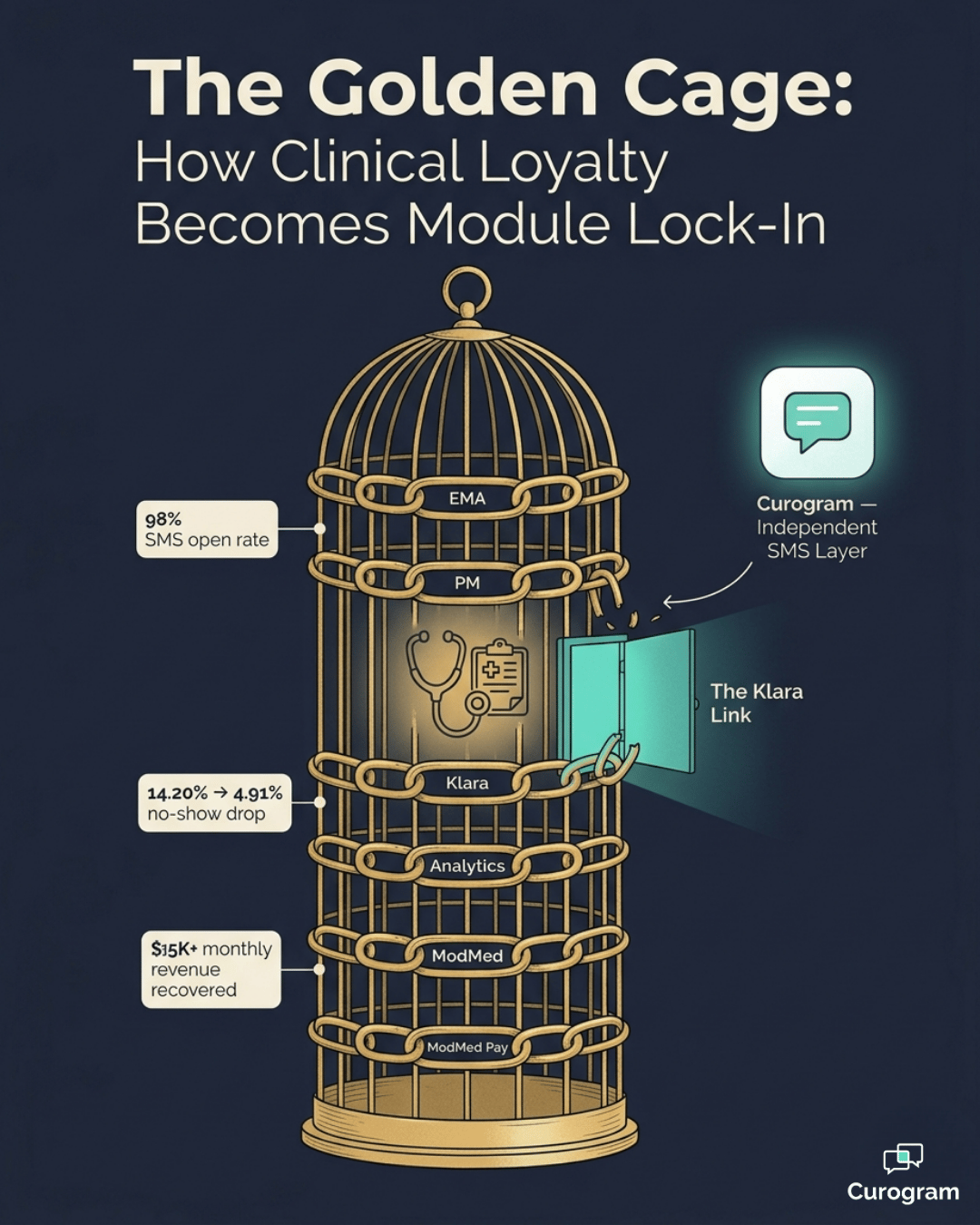
The deeper you go into the Modmed stack, the harder it gets to leave any single piece of it. That is the Golden Cage — clinical loyalty to EMA turning into a trapdoor that locks you into an engagement tool you do not actually love.

Every alternative you explore hits API marketplace delays, monthly access fees, or sales pressure to stay inside the bundle.

But the cage has a door. This article walks through how two-way HIPAA-compliant texting for Modmed specialty practices can run independently of Klara — using your own office number, no app downloads, no portal logins, and no permission required from Modmed to talk to your own patients.

Let's get into it.

Why Excellent Charting Got Tangled With Mediocre Messaging

Modmed's EMA is not the villain in this story. The villain is what came after it.

EMA earned the #1 ranking across all 11 specialty EHR categories in the 2026 Black Book Research Awards.

Dermatology practices have trusted it for 13 consecutive years. Ophthalmology has been on board for 10. Orthopedics for 9. That kind of streak is not an accident — the charting engine learns provider preferences, cuts documentation time, and was built from the ground up for specialty workflows.

So when you chose Modmed, you chose correctly for clinical work. The trouble is that clinical excellence does not automatically translate to the patient communication layer. And that is where the experience falls apart.

A Day in the Klara Workflow

Walk through what your team actually deals with.

A dermatology patient needs to confirm a Mohs surgery appointment, opens Klara, and gets stuck navigating an unfamiliar interface.

A post-op ophthalmology patient sends a follow-up question that lands in a shared queue hours later, buried between billing inquiries and refill requests with no prioritization.

An orthopedic patient wants to share a photo of post-surgical swelling. The portal demands a login, then a password reset, then a few more clicks before the image finally uploads. By that point, the patient has either given up or called the front desk anyway — and your phone line is already overwhelmed.

Klara's appointment confirmation features are particularly thin. Staff end up manually calling to verify slots that should have been handled by an automated text hours earlier.

The whole point of HIPAA privacy and secure communication for Modmed EMA practices is to remove manual work — not multiply it.

What the Communication Breakdown Actually Costs

The numbers here are not theoretical. No-show rates in specialty practices using basic reminder systems typically run between 10% and 25%. For a dermatology practice losing 8 to 10 procedural slots a day at $200 to $500 per visit, that adds up fast.

Here is a clean look at the monthly cost:

Lost Slots Per Day Average Visit Value Monthly Revenue Loss (22 working days)
8 $200 ~$35,200
8 $500 ~$88,000
10 $200 ~$44,000
10 $500 ~$110,000

In practice, even the conservative end of that table — $35,000 a month — is a serious wound.

For your team, that is the difference between a comfortable quarter and a stressful one. Ophthalmology and orthopedic practices with surgical consult slots lose even more per missed appointment.

Now layer that on top of what Modmed already costs. EMA alone runs $800 to $1,000 per user per month before you add PM, Klara, Analytics, and ModMed Pay. The total cost of ownership is among the highest in the ambulatory EHR market — and the engagement add-on is not reducing phone volume enough to justify its price tag.

The Quiet Frustration for Practice Administrators

There is an emotional side to this that does not show up on a spreadsheet. You picked Modmed because EMA is the best clinical tool for your specialty.

That decision was right. But you are now paying premium prices for an engagement layer that underperforms, and the post-acquisition support experience has been thinner than what was promised on the sales call.

Every time you explore a Modmed patient texting alternative to Klara, you run into the same walls — API marketplace approval delays, potential monthly API fees, and quiet pressure to stay inside the Modmed bundle. You feel stuck, not because Modmed is bad, but because Modmed has made independence feel risky.

That is the Golden Cage. And it is exactly the problem the next section solves.

Infographic showing Modmed modules as a gold chain cage with Curogram as the independent SMS layer.

The Independent SMS Layer That Works Beside EMA

Here is the reframe that changes everything.

Your charting and your messaging do not have to come from the same vendor. They never did.

Curogram is the independent texting platform for Modmed EHR — a HIPAA-compliant two-way texting layer that runs alongside EMA without being owned, controlled, or priced by Modmed. You keep the charting tool you love. You replace the messaging tool you tolerate.

The pitch is one platform, one login, one predictable invoice. That single platform replaces Klara plus the separate reputation management tool, the standalone payment reminder service, and the recall software you may already be paying for.

Module sprawl collapses into something your team can actually manage.

How Two-Way Texting Actually Works in Your Practice

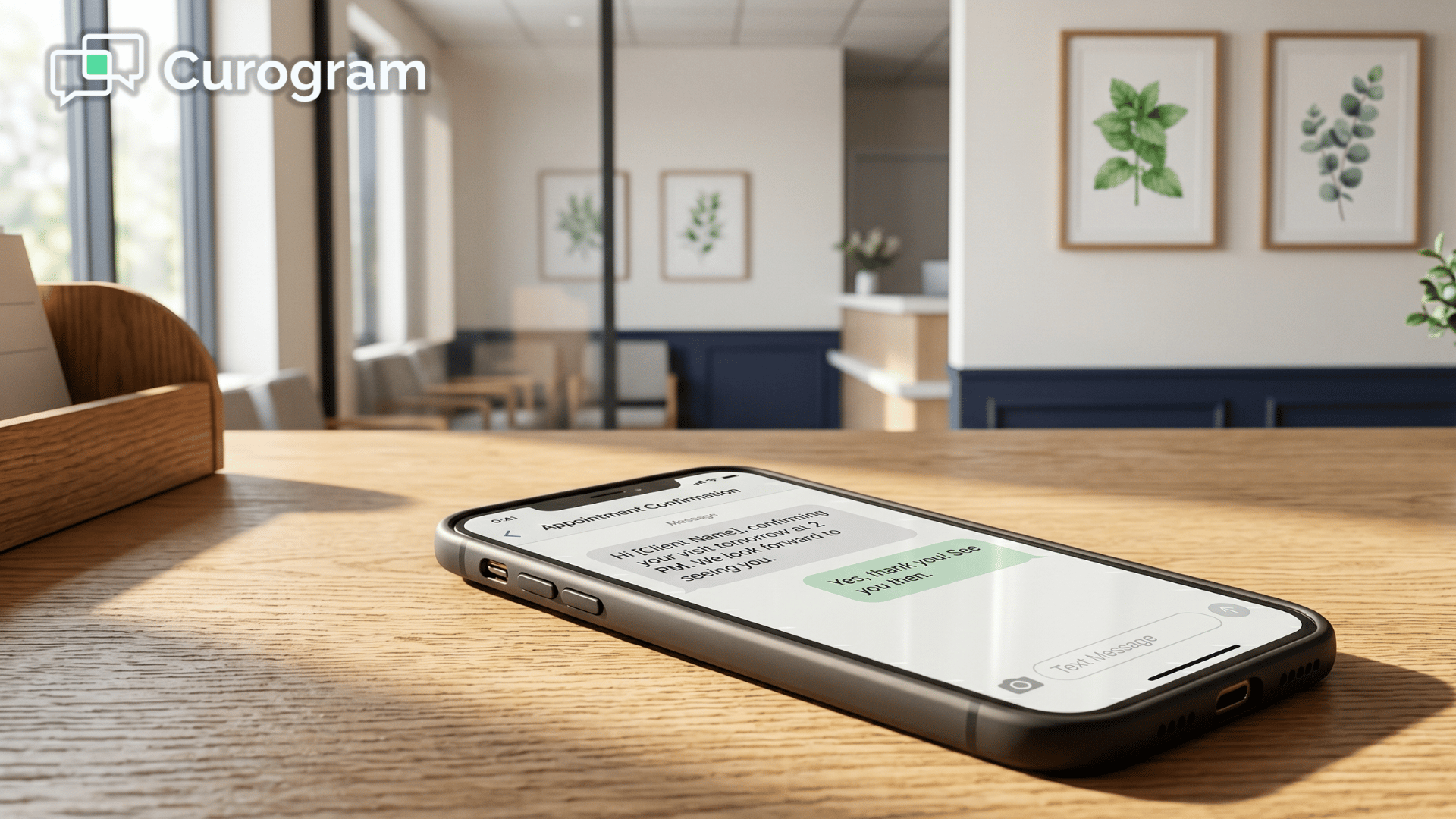
Messages go out from your existing office phone number. When a patient gets a text, they see it coming from their doctor's office — not from an unfamiliar app or a portal alert they will probably ignore. They reply through standard SMS on whatever phone they already own.

No app download. No Klara interface. No portal login. This is Modmed patient communication without app download friction — the cleanest possible path between you and your patient.

For specialty practices serving older populations, that simplicity matters more than people realize. Ophthalmology cataract patients, orthopedic joint replacement patients, and pain management patients are far less likely to navigate portal logins. But every one of them knows how to read and reply to a text message.

That is not a small detail — it is a clinical accessibility win.

Honest Talk About the Modmed Integration

This is where most vendor pitches get vague. We will not.

Curogram connects to Modmed using standard HL7/FHIR protocols for the core data exchange — appointment syncing, patient demographics, and reminder triggers. Full bi-directional integration involves Modmed's API marketplace, and that marketplace can be slow to approve competing solutions. Modmed may also charge a monthly API access fee on top.

Here is the honest math on Curogram Modmed integration patient engagement work.

The operational savings from reduced no-shows and lower phone volume usually offset API costs inside the first month.

The integration is not plug-and-play, and anyone telling you it is is selling you a fantasy.

Curogram's team navigates the marketplace process with you and gives you a realistic timeline upfront.

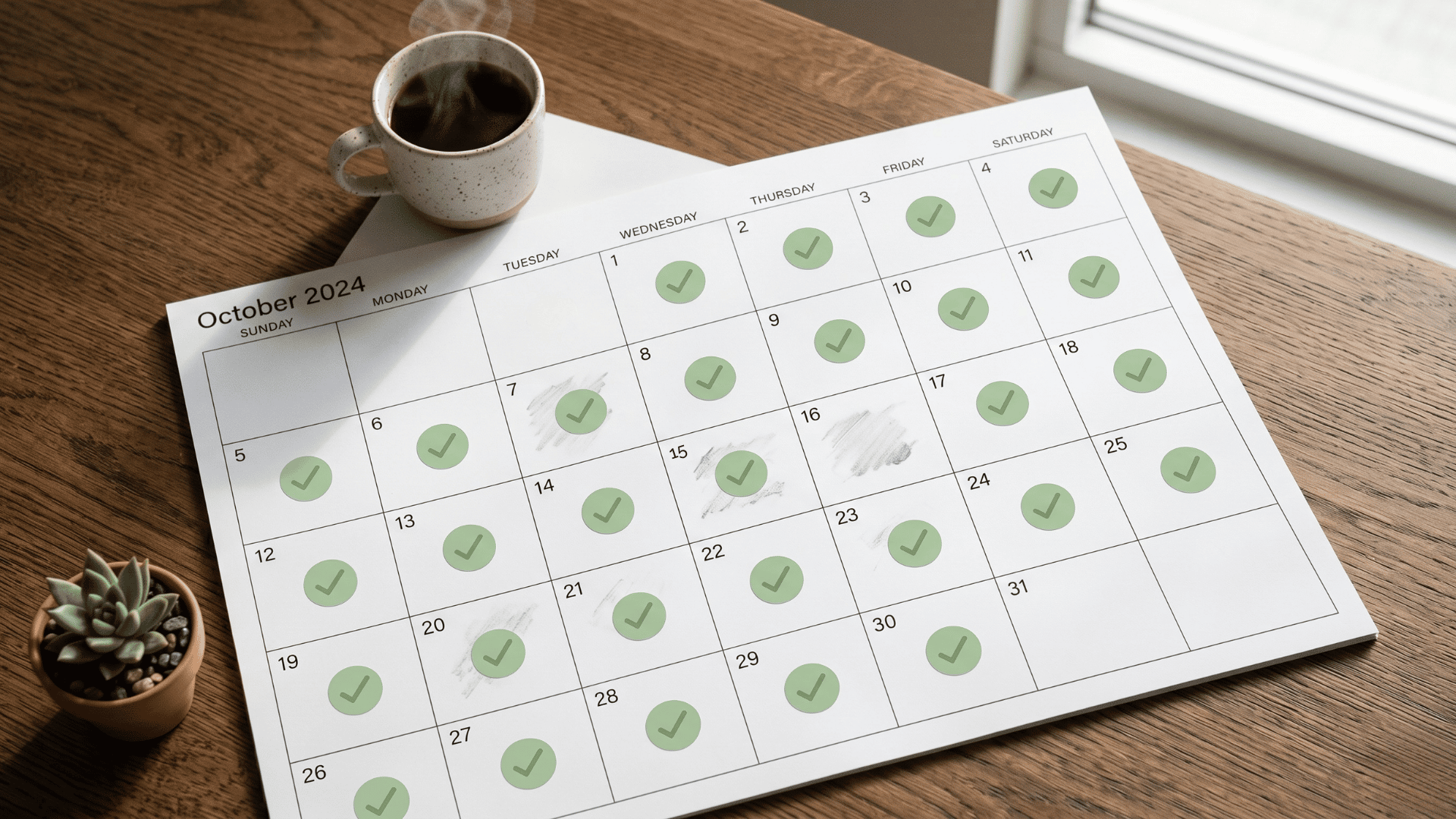
Overhead view of a monthly calendar showing confirmed specialty practice appointments after no-show recovery.

Specialty-by-Specialty Use Cases

This is where secure two-way messaging for dermatology, orthopedics, and ophthalmology stops being abstract and starts mapping to actual clinical workflows.

Here is what two-way texting unlocks across the specialties Modmed serves:

  • Dermatology: Patients share images of skin conditions or post-procedure healing directly by text, enabling teledermatology-style follow-ups without a formal video visit.
  • Orthopedics: Post-surgical patients get PT reminders and text back pain levels or range-of-motion updates — early signal before a recovery goes sideways.
  • Ophthalmology: Pre-cataract instructions and post-op medication schedules reach patients on the device they actually use, not a portal screen they may struggle to read.
  • Pain management: Medication check-in texts replace dozens of weekly phone calls and lighten the administrative weight of controlled substance follow-up.
  • Gastroenterology and plastic surgery: The same workflow handles prep instructions, post-op questions, and recall scheduling without phone tag.

What ties all of these together is the feel of the message itself. Text lands like a note from a human, not a system alert from a portal — and patients respond accordingly.

Stop playing phone tag! Reduce your call volume by 50% with Curogram's HIPAA-compliant 2-way texting platform.  

That difference is what turns a communication tool into a clinical one.

From Captive Messaging to Practice-Controlled Communication

Numbers tell the story faster than adjectives do, so here are the ones that matter most.

The Headline Metrics

  • 98% open rate on SMS versus single-digit engagement on patient portal messages.
  • 14.20% to 4.91% — Atlas Medical Center's no-show drop within three months of deploying Curogram.
  • 3X better than the industry average for specialty practices on no-show reduction.
  • 50% drop in inbound phone volume, freeing front desk staff from 80+ daily calls.

Each of those numbers reshapes something downstream — confirmations, recalls, post-op compliance, balance collections, review requests.

The 98% open rate is the foundation, but the real prize is what your team does with the hours they get back.

What the "After" Picture Looks Like

A dermatology practice sends pre-Mohs instructions by text at 7 AM. The patient replies "Got it." by 7:04. The chart is updated automatically. No phone call required.

An ophthalmology coordinator texts 45 patients their post-op medication schedules in 10 minutes. The same task used to take two hours of phone calls and three voicemails per patient.

An orthopedic practice recovers about $15,000 in monthly revenue by filling no-show slots through same-day confirmations and waitlist texts.

The Practice Administrator opens a single Curogram invoice instead of reconciling line items from Klara, a separate reputation tool, a payment reminder service, and ModMed Pay. EMA still handles charting beautifully — nothing changed there. Curogram handles everything that touches the patient outside the exam room.

This is the shift from captive messaging to a Liberated Practice. The communication channel belongs to you again. Staff manage texts from one dashboard instead of bouncing between EMA, PM, Klara, and three other tools.

The sprawl collapses, and the workflow finally feels coherent.

Take Back Your Patient Communication — Schedule a Demo

Your Modmed specialty practice deserves patient communication that performs as well as EMA does — and you should not have to pay the Golden Cage tax to get it.

Here is the simple split. Modmed's EMA is for your clinical documentation, and it is genuinely the best in specialty medicine.

Curogram is for your patients' convenience — the independent engagement layer that gives your practice communication freedom without disrupting a single charting workflow. The two run side by side. Neither one has to win at the other's expense.

Your patients are already texting and relying on mobile technology throughout daily life. They are texting their dentists, their kids' pediatricians, their hair stylists, and their accountants. They are just not texting you — because the tool you have today makes it harder than picking up the phone.

That is fixable, and the fix does not require ripping out EMA.

See what two-way HIPAA-compliant texting for Modmed specialty practices looks like inside your actual workflow. The Curogram team will walk you through a demo built around your specialty, your patient volume, and the modules you currently pay for — and show you exactly which line items the platform replaces.

If captive messaging has been quietly costing you revenue, time, and patient relationships — and it almost certainly has — the most useful 15 minutes you spend this quarter starts with a single click.

Schedule a Demo with Curogram and see how an independent texting platform fits into your Modmed practice. Walk in skeptical. Leave with the math.


Frequently Asked Questions

Is Curogram's two-way texting HIPAA-compliant for specialty practices handling procedure records and imaging data?

Yes. Curogram is fully HIPAA-compliant and provides a Business Associate Agreement to every practice it works with. All messages are encrypted in transit and at rest, and the platform includes audit trails, consent management, and access controls designed for the security demands of specialty practices handling procedure records, diagnostic imaging, and other protected health information. This is healthcare-grade compliance built from the ground up — not a consumer messaging tool that was retrofitted for medical use.

Will adding Curogram create double entry or disrupt our EMA charting workflow?

No. Curogram connects to Modmed using standard HL7/FHIR protocols for appointment syncing, patient demographics, and reminder triggers. Your providers keep charting in EMA exactly the way they do today — nothing about the clinical workflow changes. Curogram handles the patient communication layer separately, so staff manage texting from one dashboard without bouncing between multiple Modmed modules.

Does Curogram require Modmed's API marketplace approval, and are there additional fees?

Curogram connects through standard HL7/FHIR protocols for core data exchange, and full bi-directional integration may involve Modmed's API marketplace, which can take time to process. Modmed may also charge a monthly API access fee on top of that. Curogram's team handles the marketplace work alongside your practice, and the operational savings from fewer no-shows and reduced phone volume typically cover any API costs within the first month. We believe in honest integration timelines, not empty promises of instant connectivity.

Do our patients need to download an app or create a portal login to text with us?

No. That is one of the biggest workflow advantages over Klara and similar tools. Patients receive a standard SMS from your existing office phone number and reply directly from their native messaging app — no download, no account creation, no password reset. For ophthalmology, orthopedic, and pain management practices treating older patient populations, this removes the single biggest barrier to engagement and is why response rates climb so quickly after rollout.

Can we still use Curogram if we are not ready to leave Klara entirely yet?

Yes. Many practices run Curogram alongside Klara during a transition period rather than switching cold. You can start with high-impact use cases — appointment reminders, no-show recovery, post-op follow-ups, review requests — and migrate additional workflows on your own timeline. Most practices find that within the first 60 to 90 days, Curogram absorbs enough volume that the Klara renewal stops making financial sense. There is no contractual pressure from Curogram to make that call faster than your practice is ready for.