9 min read
How Medstreaming Imaging Centers Improve Workflows With HIPAA Texting
Aubreigh Lee Daculug
:
January 10, 2026
Table of Contents
- Reduced call volume through automated HIPAA-compliant texting
- Clear prep instructions that improve imaging coordination
- Consistent communication across Medstreaming-based imaging locations
The day starts with promise. Your imaging schedule is full, your team is ready, and every scanner slot is booked. Then a patient arrives having eaten breakfast before their fasting MRI. Another misses their appointment entirely. A third shows up at the wrong location. By noon, the schedule is running an hour behind.
Sound familiar?
For Medstreaming-based imaging centers, these disruptions are not random bad luck. They are symptoms of a communication problem that has been hiding in plain sight. When patients do not receive or remember critical prep details, even the best-planned day can unravel quickly.
Phone calls may feel reliable, but they depend on timing that rarely aligns. Patients are at work, driving, or caring for family when calls come in. When calls go unanswered, instructions are left on voicemail and often forgotten.
In radiology and cardiovascular imaging, that disconnect has real consequences. Exams are delayed or canceled. Modality schedules fall behind. One missed instruction can affect dozens of appointments that follow.
The burden falls on staff. Front desk teams spend hours dialing numbers and leaving messages. Schedulers scramble to fill last-minute gaps. Technologists wait beside expensive equipment for patients who were simply not prepared.
Text messages change the equation. They do not demand immediate attention, but they get seen. Patients can review instructions on their own time, whether that is during a break, the night before, or just before arrival.
Nothing gets lost in a forgotten voicemail. Messages stay accessible and easy to review.
With HIPAA-compliant texting integrated into Medstreaming, appointments automatically trigger the right messages. MRI screenings, CT hydration reminders, and arrival instructions are sent without manual effort.
No more phone tag. No more scrambling. Just consistent, timely communication that helps patients arrive prepared and keeps imaging operations running smoothly.
Clear communication supports better imaging coordination, smoother days for staff, and a better experience for patients.
Workflow Challenges in Radiology and Cardiovascular Imaging Centers
Radiology and cardiovascular imaging centers manage many moving parts each day. Schedules are tight, modalities differ, and preparation requirements must be followed closely. When communication slips, workflows slow quickly and small issues turn into larger disruptions.
Prep requirements vary widely by modality, which creates confusion for patients and staff. Instructions may be shared days in advance or verbally over the phone, making them easy to forget. Patients often struggle to remember which steps apply to which exam.
Common challenges include:
-
MRI metal screening and safety checks
-
CT contrast and hydration instructions
-
Ultrasound fasting or bladder prep requirements
Multi-location imaging groups face added pressure. Different sites may follow different communication habits, even when using the same scheduling system. This creates inconsistency in patient communication Medstreaming workflows and uneven patient experiences across locations.
High call volume adds another layer of strain. Staff spend hours calling patients for screening, prep confirmation, and reminders. Many calls go unanswered, and repeated follow-ups pull teams away from check-in support, scheduling, and patient questions.
When patients arrive unprepared, the impact spreads quickly. Exams may be delayed or stopped, modality schedules fall behind, and waiting rooms fill. Frustration rises across departments as teams try to recover lost time.
These challenges also affect patients directly. Delays increase anxiety, reschedules disrupt personal plans, and repeat visits feel avoidable. Trust in the imaging experience can suffer.
The root issue is not staff performance. It is reliance on manual communication that cannot scale. Phone-based workflows depend on patients answering at the right time and remembering details later.
Imaging coordination requires consistency and precise timing. Manual systems introduce variation, missed connections, and uncertainty. As patient volume increases, the risk grows.
To support better outcomes, communication must keep pace with imaging operations.
How Manual Communication Creates Operational Bottlenecks
Manual communication creates delays that build throughout the imaging workflow. Phone calls appear simple, but they often introduce hidden inefficiencies that affect the entire day.
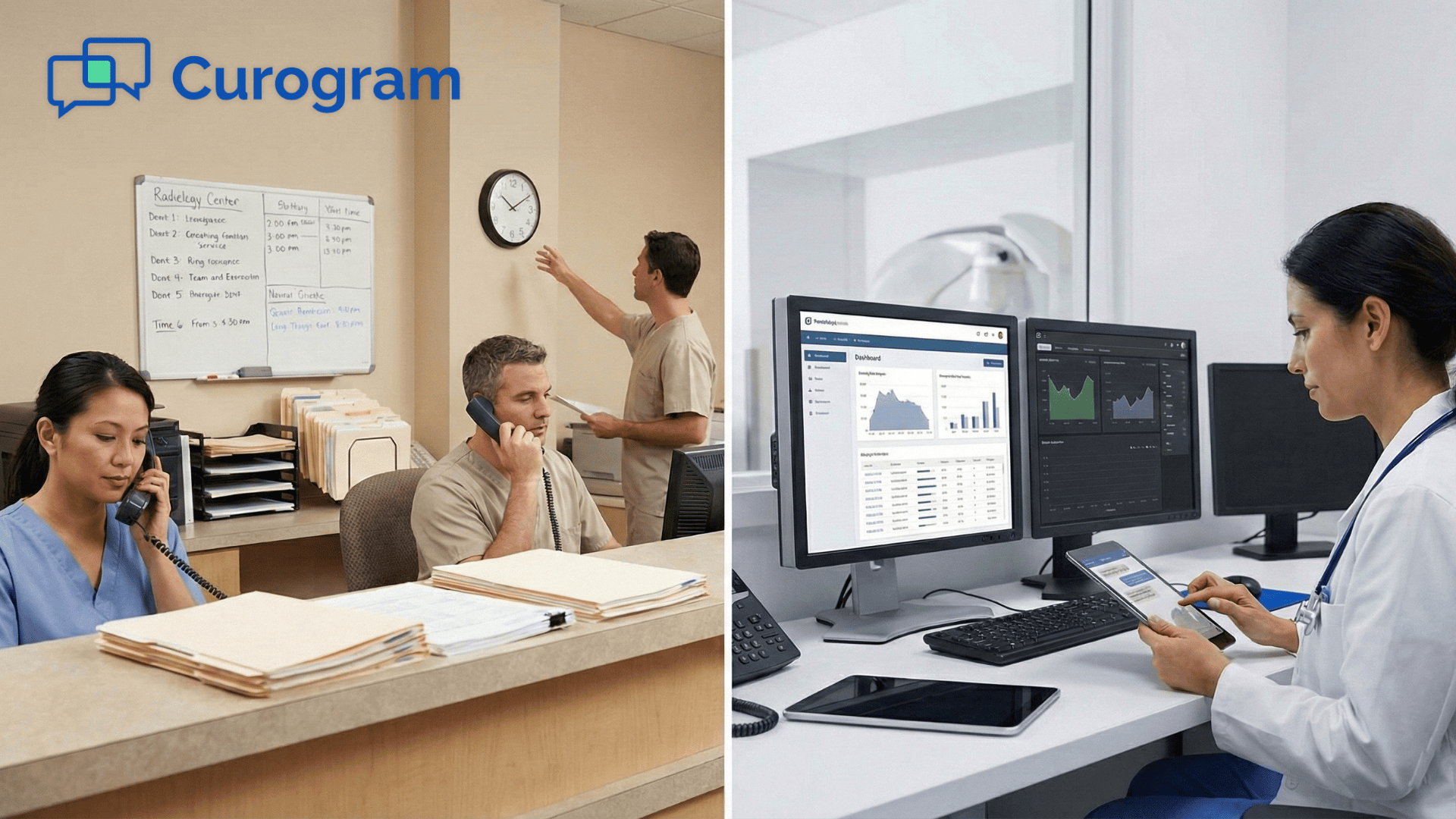
Staff spend hours calling patients each day to review prep steps, confirm appointments, and answer basic questions. Missed calls lead to voicemails and repeated follow-ups, creating a cycle that drains time and attention. This leaves less time for in-office patients and schedule coordination.
Phone-based communication often causes problems:
-
Prep instructions are missed or misunderstood
-
Patients arrive late or unprepared
-
Modality schedules fall behind
These issues disrupt imaging coordination and increase daily stress across departments. One unprepared patient can push an entire schedule off track, affecting technologists, schedulers, and front desk teams.
Delays rarely stay isolated. When one exam runs late, others follow. Waiting rooms fill, staff rush, and patient frustration grows throughout the day.
Repeat imaging due to incomplete prep is especially costly. Scanner time is wasted, staff workloads increase, and patients must return for another visit. This reduces throughput and impacts patient satisfaction.
Manual workflows also lack confirmation. Teams do not know if instructions were received or understood until the patient arrives. Problems surface too late to prevent delays.
As imaging centers grow, these bottlenecks become harder to manage. Adding staff increases cost but does not solve inconsistency or missed communication.
Patient communication Medstreaming workflows require tools that reduce friction. Automation offers a way to remove these bottlenecks while improving clarity, consistency, and daily efficiency.
How HIPAA-Compliant Texting Streamlines Imaging Communication
HIPAA-compliant texting changes how imaging centers connect with patients. Instead of relying on repeated phone calls, teams can send clear messages that patients are more likely to read and act on. Communication becomes timely, consistent, and easier to manage.
Written instructions reduce confusion. Patients can read messages at their own pace and review them as needed. This improves understanding and reduces anxiety before imaging appointments.
Delivering the Right Instructions at the Right Time
Automated messages ensure instructions match the correct exam and appointment. Messages can be sent days before an exam to allow time for preparation and again closer to arrival as a reminder. This timing helps patients plan and remember key steps.
Timely reminders reduce last-minute calls. Patients arrive knowing what to expect, which shortens check-in time and improves modality flow.
Improving Consistency Across Locations
Standardized messaging improves consistency across sites and departments. Every patient receives the same clear instructions, regardless of location or modality.
This consistency supports stronger imaging coordination and reduces prep-related delays caused by mixed messages. Multi-location groups benefit from predictable communication.
Reducing Staff Workload Without Losing Control
Staff spend less time dialing phones, leaving voicemails, and tracking follow-ups. Secure texting protects patient information while offering a convenient communication channel.
Teams maintain visibility without adding extra steps. Messages are logged automatically, creating a clear communication record.
Two-way texting allows patients to ask questions or confirm instructions without calling. When integrated with Medstreaming, texting becomes part of the workflow instead of an extra task.
As volume grows, HIPAA-compliant texting helps imaging centers scale communication without increasing staff strain. The result is smoother operations and better patient readiness.

Medstreaming + Curogram Workflow Synchronization
Medstreaming and Curogram work together to align communication with imaging workflows. Messaging is no longer treated as a separate task that staff must manage manually.
When an appointment is created or updated in Medstreaming, messaging workflows begin automatically. Patients receive instructions based on exam type, location, and timing.
Appointment-based triggers ensure messages arrive early enough for preparation and again closer to the visit. This reduces confusion and missed steps.
Automated routing by modality keeps instructions accurate. MRI, CT, ultrasound, and cardiovascular exams each receive relevant guidance.
Multi-location scheduling support keeps communication consistent across sites. Patients experience the same clarity regardless of where they are scheduled, strengthening radiology texting workflow reliability.
Imaging Use Cases for HIPAA-Compliant Texting
HIPAA-compliant texting supports many common imaging scenarios across radiology and cardiovascular services. Each use case helps prevent prep issues before they turn into delays, reschedules, or incomplete exams.
MRI Metal Screening and Clothing Guidance
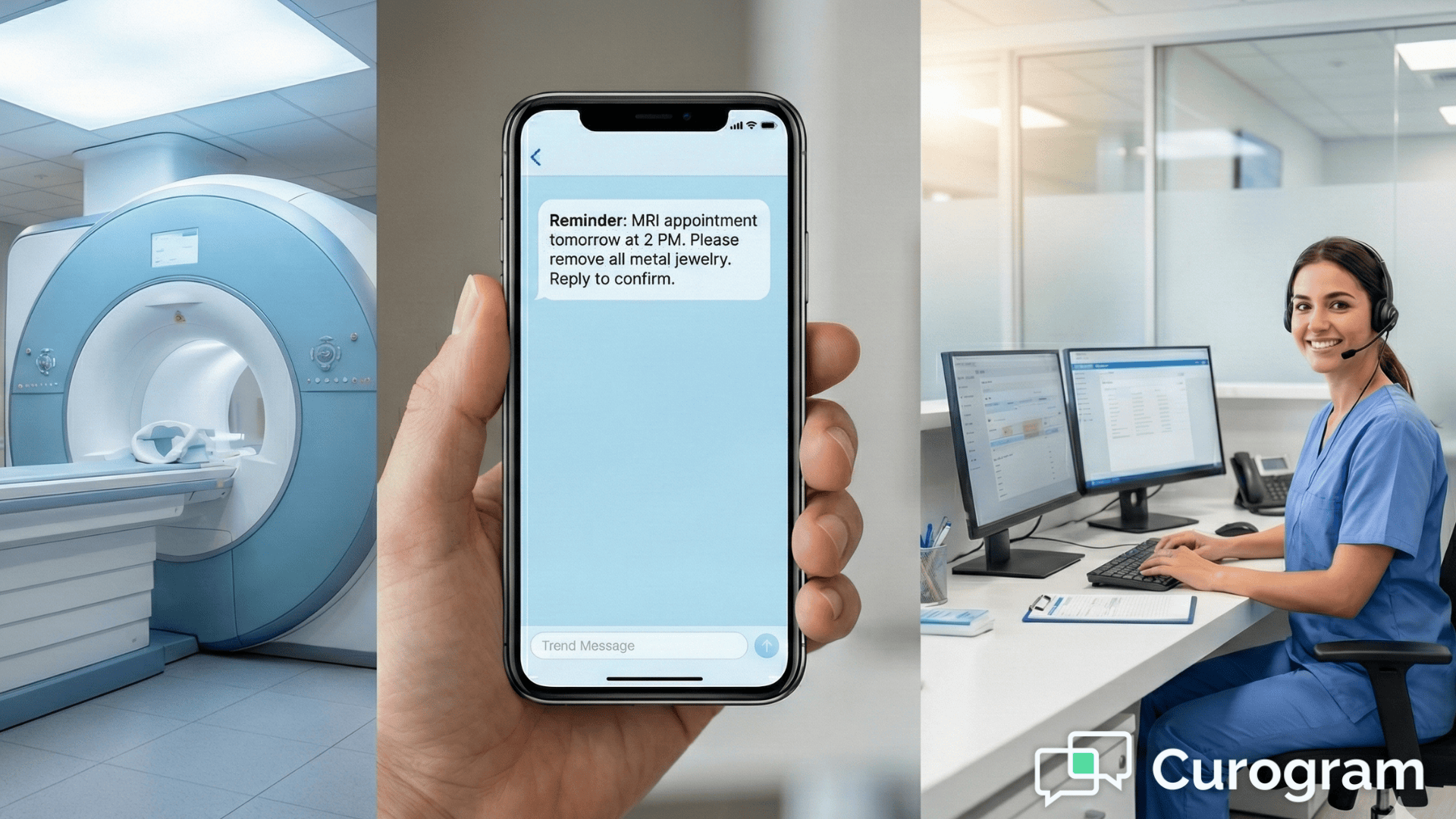
MRI exams require strict safety screening to prevent delays and risks. Automated texts send metal screening questions well before the appointment, giving patients time to respond.
Clothing guidance also plays a key role. Patients receive simple reminders about what to wear and what to avoid, which helps reduce intake delays and last-minute rescheduling.
CT Contrast Prep and Hydration Reminders
CT exams with contrast require advance preparation that patients often forget. Text messages remind patients about hydration, fasting rules when applicable, and screening questions.
These reminders reduce day-of cancellations and prevent delays caused by incomplete prep. Patients arrive ready, and scanners stay on schedule.
Ultrasound Fasting or Bladder-Fill Instructions
Ultrasound preparation varies by study type, which can confuse patients. Short, focused texts clarify fasting requirements or bladder-fill timing based on the specific exam.
Because messages arrive close to the appointment, patients are more likely to follow instructions correctly. This reduces repeat scans and improves workflow efficiency.
Echo and Vascular Pre-Visit Requirements
Cardiovascular imaging often involves additional steps before the visit. Patients may need to complete forms, adjust medications, or arrive early.
Secure texts deliver these instructions clearly and early. Patients know what to expect, and staff spend less time resolving issues at check-in.
Patient Reminders for Follow-Up Imaging
Follow-up imaging reminders support continuity of care and reduce missed appointments. Automated texts keep patients on track for scheduled follow-ups without manual outreach from staff.
Efficiency Gains for Front Desk, Scheduling, and Tech Teams
Front desk teams see immediate relief. Automated texting handles appointment confirmations, prep reminders, and follow-up messages without manual effort. This cuts phone time in half and lets staff focus on patients who need direct help.
Scheduling teams manage fewer last-minute cancellations and reschedules. When patients receive clear instructions and timely reminders, they show up prepared. This creates smoother daily operations and reduces the stress of constantly filling gaps.
Technologists spend less time waiting for unprepared patients. When proper prep happens before arrival, scans start on time and equipment stays productive. This improves job satisfaction and reduces daily frustration for imaging staff.
The combined effect is better morale across all departments. Staff feel supported by tools that work with them instead of creating extra tasks.
Revenue and Cost Benefits for Imaging Centers
Better communication creates financial benefits that extend beyond smooth operations. When no-show rates drop by up to 75%, imaging centers can serve significantly more patients each week without adding staff or equipment.
Scanner time becomes more valuable. Empty appointment slots disappear, and equipment operates closer to full capacity. This improved use directly increases revenue per modality.
Administrative costs decline as automation reduces manual phone work. Staff spend less time on routine outreach and more time on tasks that support patient care and complex scheduling needs.
Collection rates improve when patients feel informed and supported throughout the imaging process. Clear communication builds trust, and trust leads to better payment outcomes and fewer billing disputes.
How Curogram Simplifies HIPAA-Compliant Imaging Communication
Curogram helps imaging centers simplify patient communication without adding complexity. Its HIPAA-compliant texting platform integrates directly with Medstreaming workflows, making messaging a built-in part of daily operations.
Messages trigger automatically based on appointment details such as exam type, date, and location. Staff do not need to initiate outreach or track responses manually, which reduces workload and errors.
Two-way texting allows patients to ask questions, confirm instructions, or clarify prep steps at their convenience. This reduces call volume and helps patients feel supported before their visit.
Curogram supports imaging coordination across modalities and locations. Messaging remains accurate, consistent, and timely, even for multi-site organizations.
By reducing manual communication, Curogram helps teams focus on patient care and operational flow. Patient communication Medstreaming workflows become easier to manage as volume grows.
Curogram was built specifically for healthcare workflows. Developers spent time working alongside front desk staff in imaging centers to understand real operational challenges. This hands-on approach created a platform that feels natural to use and aligns with how imaging teams actually work.
The result is software that requires minimal training and provides maximum impact. Staff can start using the system in under five minutes, and they appreciate tools that make their jobs easier instead of more complicated.
Conclusion
Imaging centers depend on preparation, timing, and clarity to keep daily operations running smoothly. Manual communication makes this harder than it needs to be. Missed instructions, unanswered calls, and repeated follow-ups slow workflows and frustrate teams.
Patient communication Medstreaming workflows improve with HIPAA-compliant texting. Automated messages reduce prep errors and help patients arrive ready for their exams. Instructions are delivered clearly and consistently, without relying on perfect timing.
When texting integrates with Medstreaming, communication fits naturally into daily operations. Messages trigger from scheduling data, ensuring patients receive the right information at the right moment. Staff spend less time chasing patients and more time supporting smooth check-ins.
Front desk teams manage fewer disruptions at arrival. Technologists see better-prepared patients and fewer delayed starts. Schedulers handle fewer last-minute reschedules that ripple through the day.
Patients benefit from clear instructions they can read, save, and review. This builds confidence and reduces stress before appointments. When expectations are clear, the imaging experience feels more predictable and supportive.
HIPAA-compliant texting supports better imaging coordination without adding workload. It removes friction from communication while protecting patient information.
As imaging volumes grow and workflows become more complex, scalable communication becomes essential. Relying on manual calls limits consistency and increases operational strain.
Integrating HIPAA-compliant texting with Medstreaming creates a sustainable approach to patient communication. Imaging teams gain efficiency, patients arrive prepared, and schedules stay on track.
Book a demo to see how Curogram and Medstreaming work together to simplify patient communication and streamline imaging workflows.
Frequently Asked Questions
HIPAA-compliant texting keeps patients informed throughout the imaging process. Automated reminders reduce forgetfulness, while clear prep instructions help patients understand what is required. When patients feel prepared and informed, they are far more likely to keep their appointments.
Phone calls are often missed or forgotten, especially when patients are busy or at work. Secure texting allows patients to review instructions at their own pace and return to them when needed. Automation also ensures consistent messaging without increasing staff workload.
Curogram connects directly to Medstreaming scheduling and workflow logic. Messages are triggered automatically based on imaging appointments, which removes the need for manual sending or duplicate data entry by staff.
Automated texting helps keep schedules intact by reducing cancellations, late arrivals, and repeat exams. Over time, this leads to better modality utilization, smoother daily workflows, and more predictable operations.
Automation delivers clear prep instructions consistently and reinforces them with reminders. Patients are more likely to follow requirements when guidance is easy to access. This leads to fewer unprepared arrivals and fewer repeat exams. Imaging schedules stay on track, and scanner time is used more efficiently.