
1 min read
Expand Access with InSync Telehealth
 Jo Galvez : Apr 30, 2026, 6:56:06 PM
💡 Telehealth has changed how behavioral health practices deliver care. For organizations using InSync EMR, virtual visits improve access while...
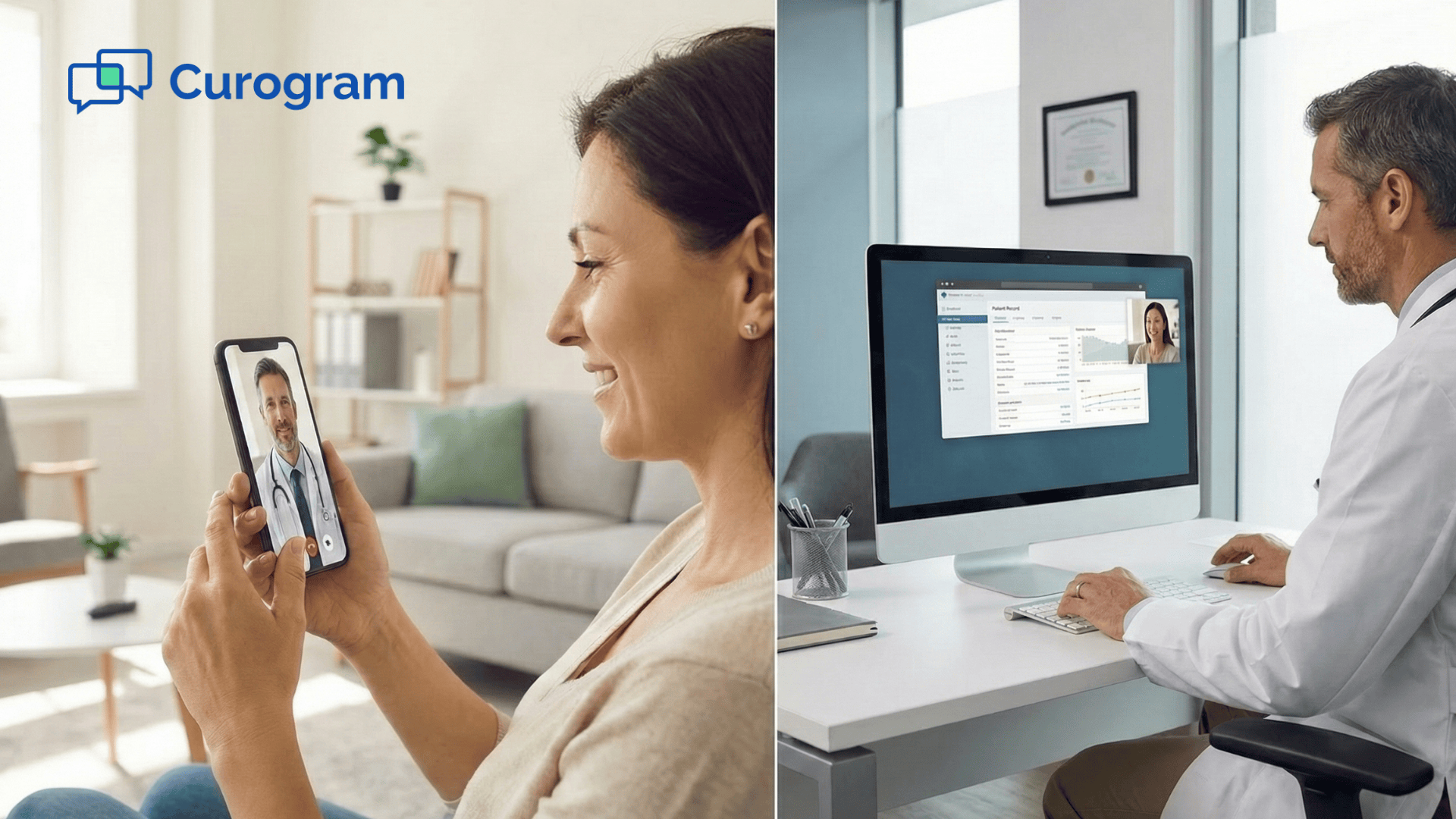
Small practices face constant pressure to serve more patients with limited resources. Many patients want care but cannot visit during office hours. Others cancel appointments due to work, transportation, or family responsibilities. Each missed visit creates lost revenue and wasted provider time.
In-person care alone often limits access. When patients cannot attend, they look for clinics that offer more flexible options. This leads to patient loss and slower growth. Practices that fail to adapt may fall behind competitors offering virtual care.
Telehealth changes how care is delivered. It allows clinics to reach patients who would otherwise cancel or no-show. Virtual visits make care easier to attend and simpler to schedule. For many families, this flexibility determines whether they keep an appointment.
When clinics expand access DrChrono telehealth workflows support, they unlock new revenue opportunities. Providers fill schedule gaps with virtual follow-ups. Staff spend less time rescheduling missed visits. Patients receive care in ways that fit their daily lives.
This blog explains the business risks of not offering telehealth. It outlines how Curogram improves ROI by expanding access, converting missed visits, and strengthening retention. You will also learn how executives benefit from predictable revenue and stronger reputation. Finally, we share an ROI example showing how a small clinic generated $150K in annual revenue by adding virtual follow-ups.
Clinics that only offer in-person visits limit patient access. Many patients cannot attend appointments during work hours. Others struggle with travel or family responsibilities. When care feels inconvenient, patients look elsewhere.
Patients often choose clinics based on convenience. Practices without telehealth lose patients to competitors offering virtual care. This reduces patient volume over time. Fewer visits lead directly to lower revenue.
No-shows also increase when telehealth is unavailable. Patients cancel when barriers arise and cannot switch visit types. Each missed appointment creates unused provider time. Over weeks and months, these gaps add up.
Revenue loss is not limited to the missed visit itself. Follow-up care is delayed or skipped. Treatment plans stall when patients do not return. This reduces lifetime patient value.
Staff inefficiency becomes another issue. Teams spend time rescheduling canceled visits. They handle more phone calls and manual outreach. This distracts from patient care and increases burnout.
Non-integrated tools make the problem worse. Using separate systems for scheduling and communication creates confusion. Information gets lost between platforms. Staff must double-check details to avoid errors.
Without telehealth, clinics miss opportunities to stabilize schedules. Providers face idle time they cannot recover. Patients lose trust when care feels difficult to access. These risks slow growth for small practices.
Offering telehealth addresses these challenges. It gives clinics flexibility to keep visits on the calendar. This is essential for long-term stability and growth.
Curogram helps clinics expand access DrChrono telehealth workflows depend on to reach more patients. Virtual visits remove common barriers like travel and time off work. Patients attend visits they would otherwise cancel. This improves attendance and revenue.
Telehealth converts missed visits into billable sessions. When patients cannot come in person, providers offer virtual follow-ups. This keeps care moving forward. Clinics recover revenue that would have been lost.
Providers also use telehealth to fill schedule gaps. Short virtual visits fit easily between in-person appointments. This improves provider utilization. Time that once went unused becomes productive.
Retention improves as well. Patients appreciate flexible care options. They stay with clinics that respect their schedules. Loyalty increases when care feels accessible.
Curogram supports secure, reliable telehealth delivery. Clinics maintain consistency across visits. Patients receive clear instructions and reminders. This reduces confusion and missed connections.
As access expands, patient volume grows. Clinics serve more people without adding physical space. This supports DrChrono revenue growth while keeping costs controlled. Telehealth becomes a strategic growth tool.
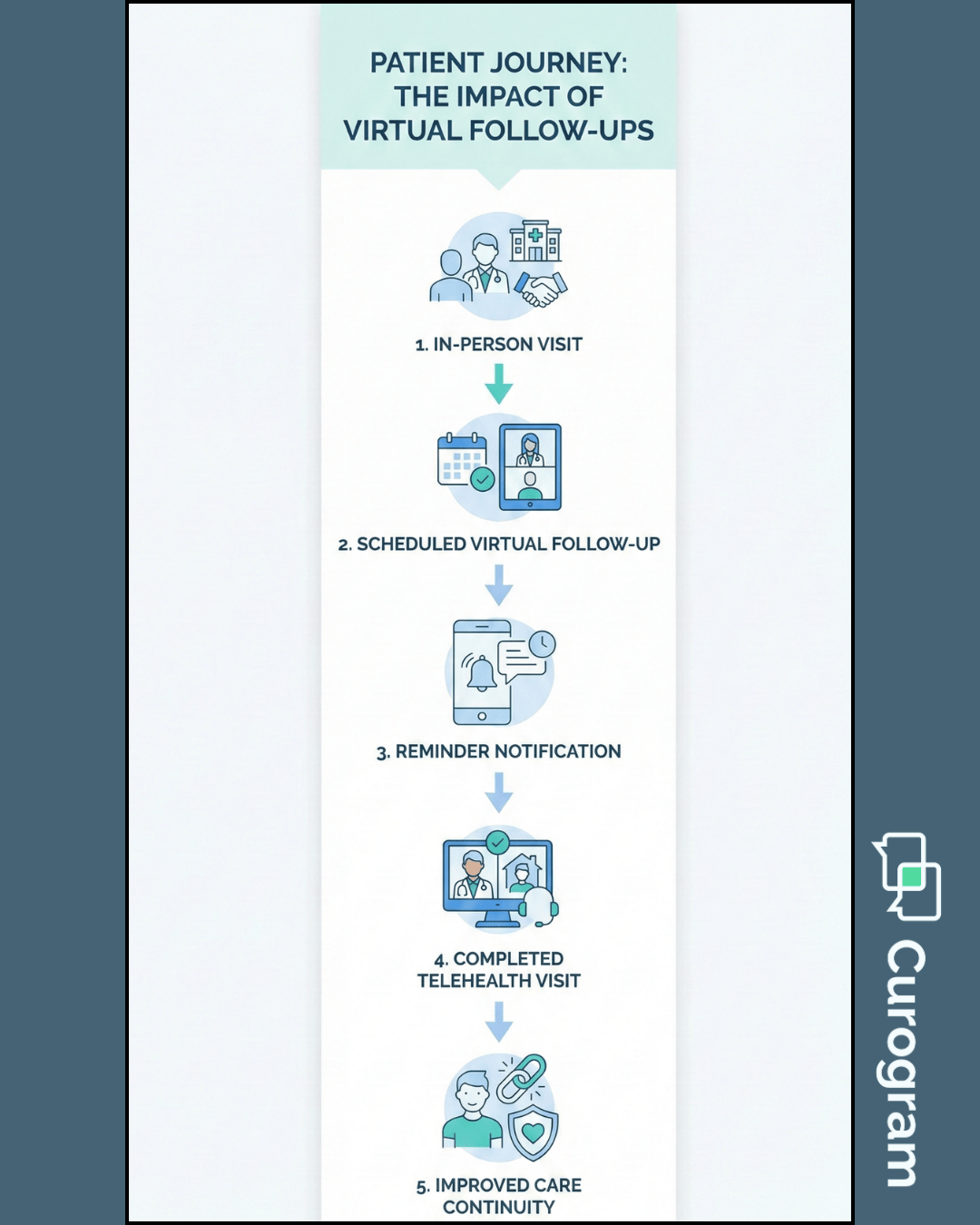
Telehealth delivers clear advantages for leadership teams. It supports growth without increasing overhead. Executives gain better control over revenue and scheduling. These benefits are especially important for small practices.
Telehealth expands the number of patients a clinic can serve. Patients who miss in-person visits still receive care. This increases completed appointments. Higher volume supports steady growth.
Virtual visits also attract new patients. Many people seek clinics with flexible care options. Offering telehealth improves competitiveness. This drives long-term demand.
Predictable attendance leads to predictable revenue. Telehealth reduces last-minute cancellations. Providers maintain fuller schedules. Clinics experience fewer revenue swings.
Stable revenue helps with planning. Executives forecast income more accurately. This supports better staffing and investment decisions.
Practices offering telehealth appear modern and patient-focused. Patients value convenience and access. Positive experiences lead to stronger reviews. Reputation improves organically.
A digital-first image attracts younger and working patients. This supports long-term relevance. Clinics stay competitive in changing markets.
Telehealth simplifies daily operations. Staff spend less time rescheduling. Communication becomes more efficient. Workflows feel calmer.
Lower stress improves retention. Teams perform better when workloads feel manageable. This benefits patients and leadership alike.
Patients stay engaged through virtual follow-ups. Care plans continue without interruption. Providers monitor progress consistently. Outcomes improve.
Stronger continuity increases lifetime patient value. Clinics build lasting relationships. Telehealth supports sustainable success.
A small clinic struggled with missed visits and unused provider time. Patients canceled appointments due to work and travel. Revenue growth had stalled. Leadership needed a solution.
After adding telehealth for virtual follow-ups, attendance improved. Providers converted canceled visits into billable sessions. Over one year, the clinic generated $150K in additional annual revenue. No-show reduction SMB patterns improved by 18%.
Staff reported less stress. Schedules became more predictable. Patients appreciated the flexibility. The clinic achieved steady growth without expanding office space.
Start by reviewing missed appointment data. Identify visits that could shift to virtual care. Focus on follow-ups and check-ins first. Keep the rollout simple.
Next, enable telehealth within DrChrono. Ensure staff understand scheduling and patient communication. Monitor early results. Adjust workflows as needed.
Curogram makes telehealth easy for small practices. Clinics send secure visit links that patients can access from anywhere. This reduces friction and improves attendance. Virtual care becomes part of daily operations.
The platform integrates smoothly with DrChrono schedules. Providers manage both visit types without confusion. Staff save time by using one system. Workflows stay consistent.
By helping clinics expand access DrChrono telehealth supports, Curogram strengthens revenue and patient satisfaction. Practices grow without added complexity. This creates a strong foundation for long-term success.
Telehealth is no longer optional for growing practices. Patients expect flexible care options that fit their lives. Clinics that rely only on in-person visits face higher no-shows and slower growth. Access limits revenue potential.
By expanding access DrChrono telehealth enables, small practices reduce missed visits. Virtual care converts cancellations into completed appointments. Providers use their time more effectively. Revenue becomes more predictable.
Telehealth also strengthens patient relationships. Families stay engaged when care is convenient. Loyalty grows as communication improves. Clinics benefit from long-term retention.
Curogram supports this shift by making telehealth simple and secure. Practices integrate virtual visits without adding complexity. Staff workflows remain clear. Patients feel supported.
For executives and owners, telehealth delivers measurable ROI. It drives DrChrono revenue growth while controlling costs. Clinics expand reach without expanding space. Growth becomes sustainable.
Small changes in access create large business results. Telehealth helps clinics meet patients where they are. With the right tools, practices grow stronger every year.
Expand access and revenue with telehealth for DrChrono. Book your demo today.

1 min read
Jo Galvez : Apr 30, 2026, 6:56:06 PM
💡 Telehealth has changed how behavioral health practices deliver care. For organizations using InSync EMR, virtual visits improve access while...
1 min read
.jpg?width=30&name=square-formal-photo%20(1).jpg) Mira Gwehn Revilla : Dec 19, 2025, 8:00:00 AM
Mira Gwehn Revilla : Dec 19, 2025, 8:00:00 AM
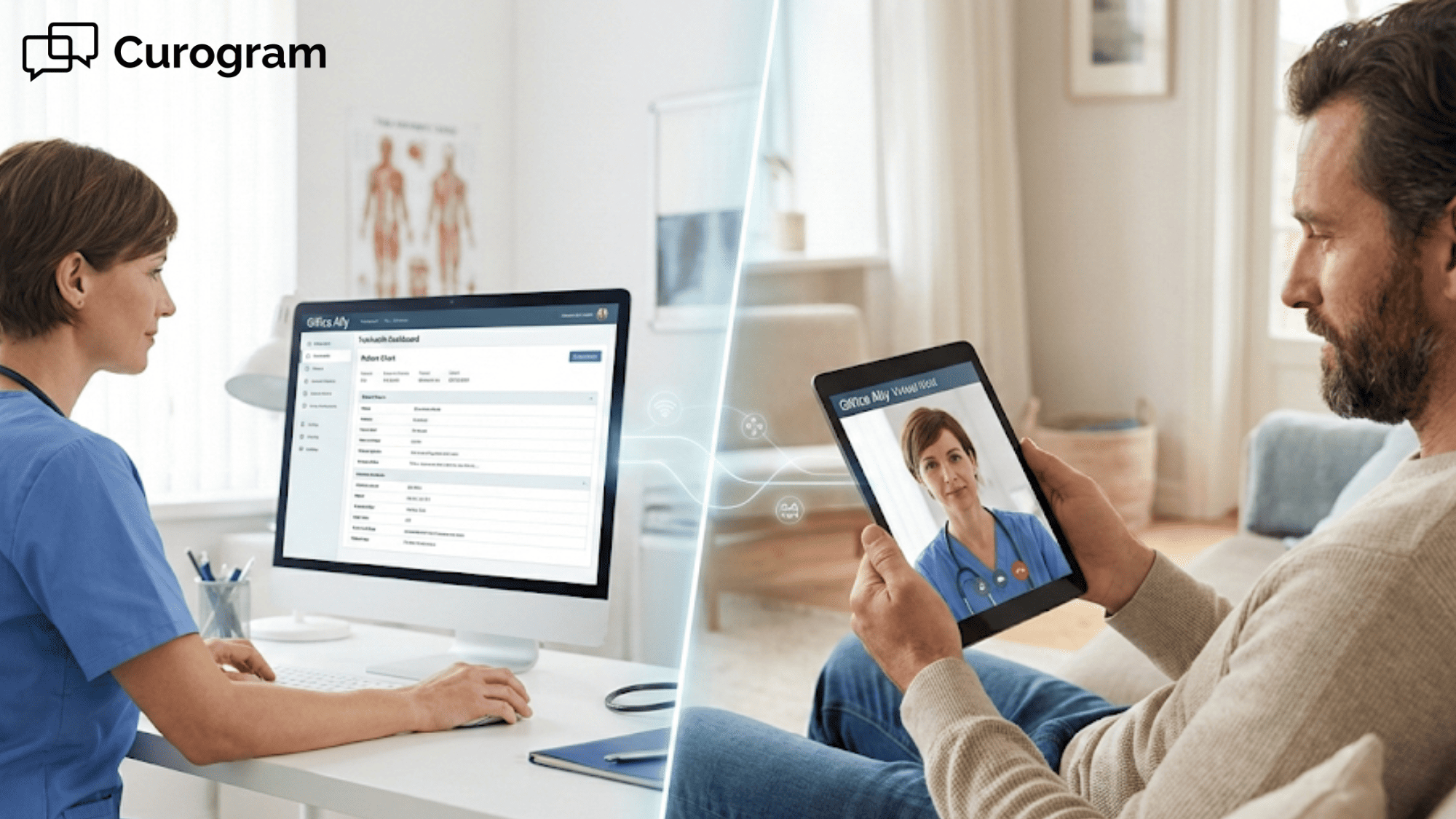
💡 Many small practices struggle to expand access Office Ally telehealth without adding staff or raising costs. Limited access can reduce...
1 min read
Sharee Narciso : Dec 12, 2025, 8:00:00 AM
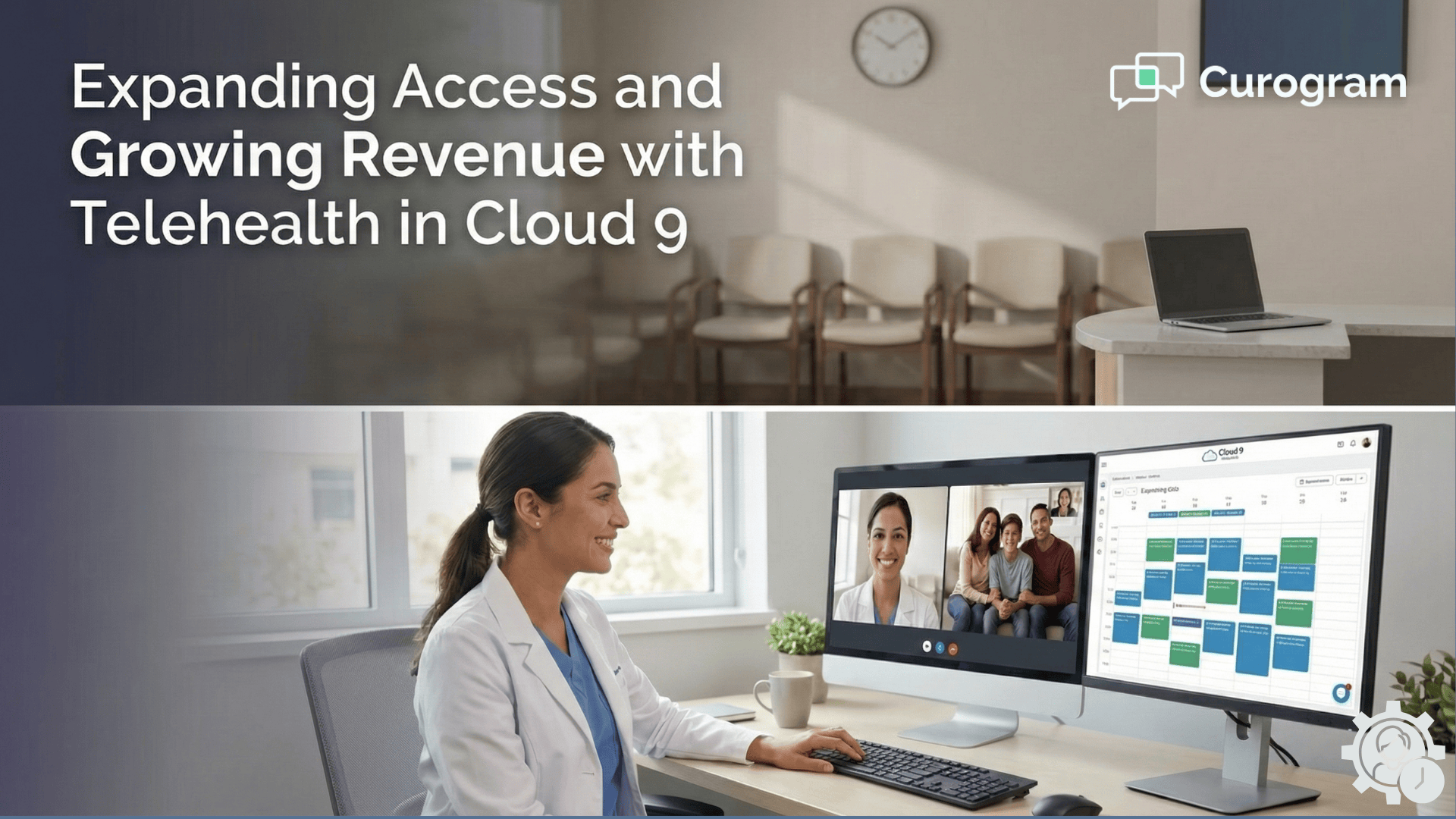
💡 Cloud 9 practices thrive with telehealth by keeping busy families connected and schedules packed. Curogram's secure tools drive real revenue...