
9 min read
Rural Patient No‑Shows Reduced | Azalea Health SMS Reminders
Aubreigh Lee Daculug
:
March 16, 2026
Reducing missed appointments for rural patients using Azalea Health and SMS reminders is more straightforward than most practices think.
Curogram integrates directly with Azalea Health to send automated text reminders at 72 hours, 24 hours, and the morning of the visit. Patients reply with one word — no app, no portal, no internet connection required.
Based on our internal data, practices using Curogram see no-show rates drop by up to 53%.
For FQHCs and RHCs where every empty slot costs $150–$300 and affects quality-based funding, that number changes everything.
Reducing missed appointments for rural patients using Azalea Health and SMS reminders starts with one honest admission: no-shows in rural healthcare rarely happen because patients don't care.
They happen because life gets complicated between the day an appointment is booked and the day it's supposed to happen.
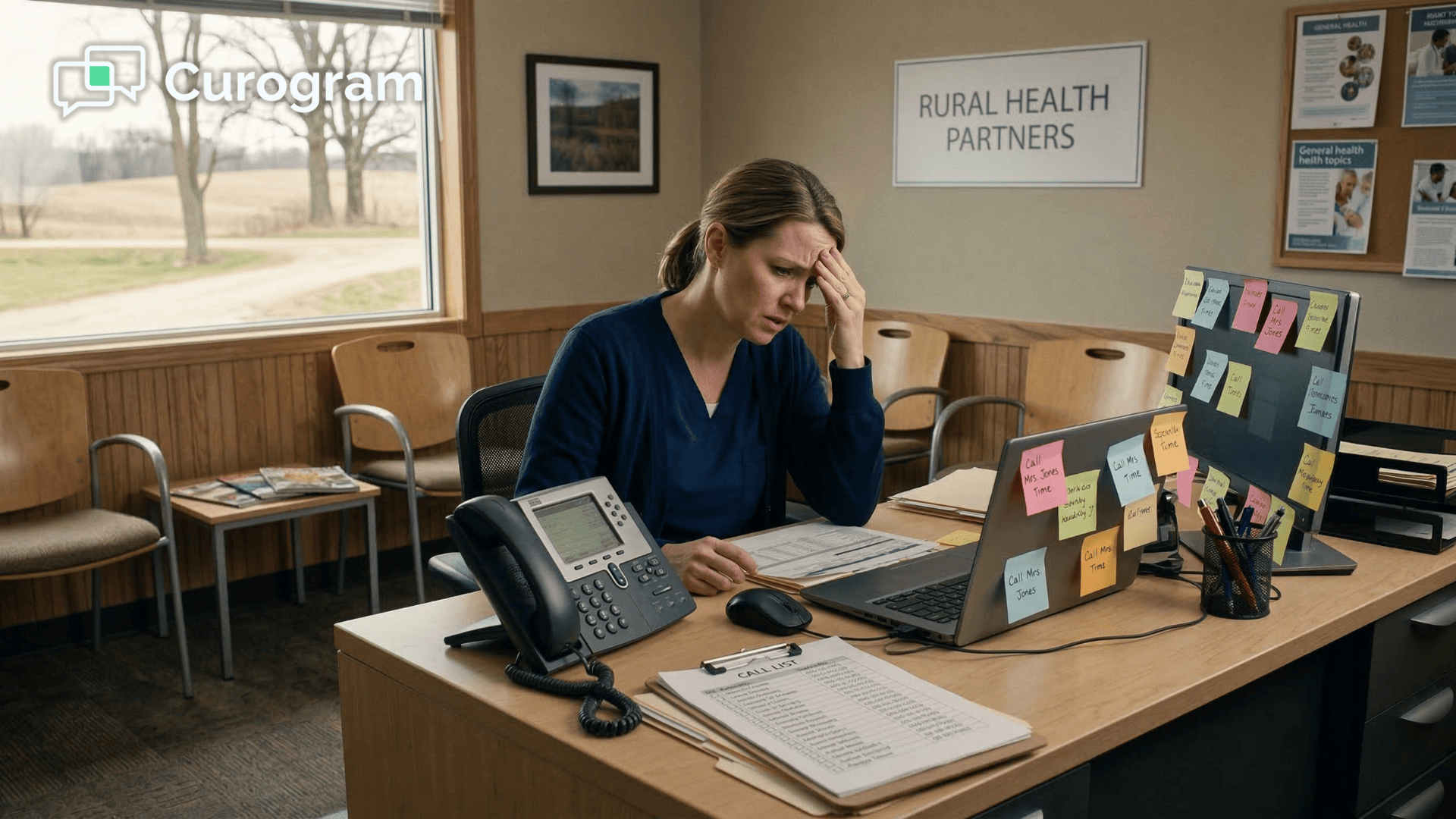
A patient driving 45 miles to see their primary care provider has to line up transportation, arrange time off work, and make sure someone else can handle the farm or the kids. If the appointment was scheduled three weeks ago over the phone and nobody followed up, it can disappear from the to-do list entirely.
The visit doesn't get skipped on purpose — it just gets lost.
For federally qualified health centers and rural health clinics, missed appointments are more than a scheduling headache.
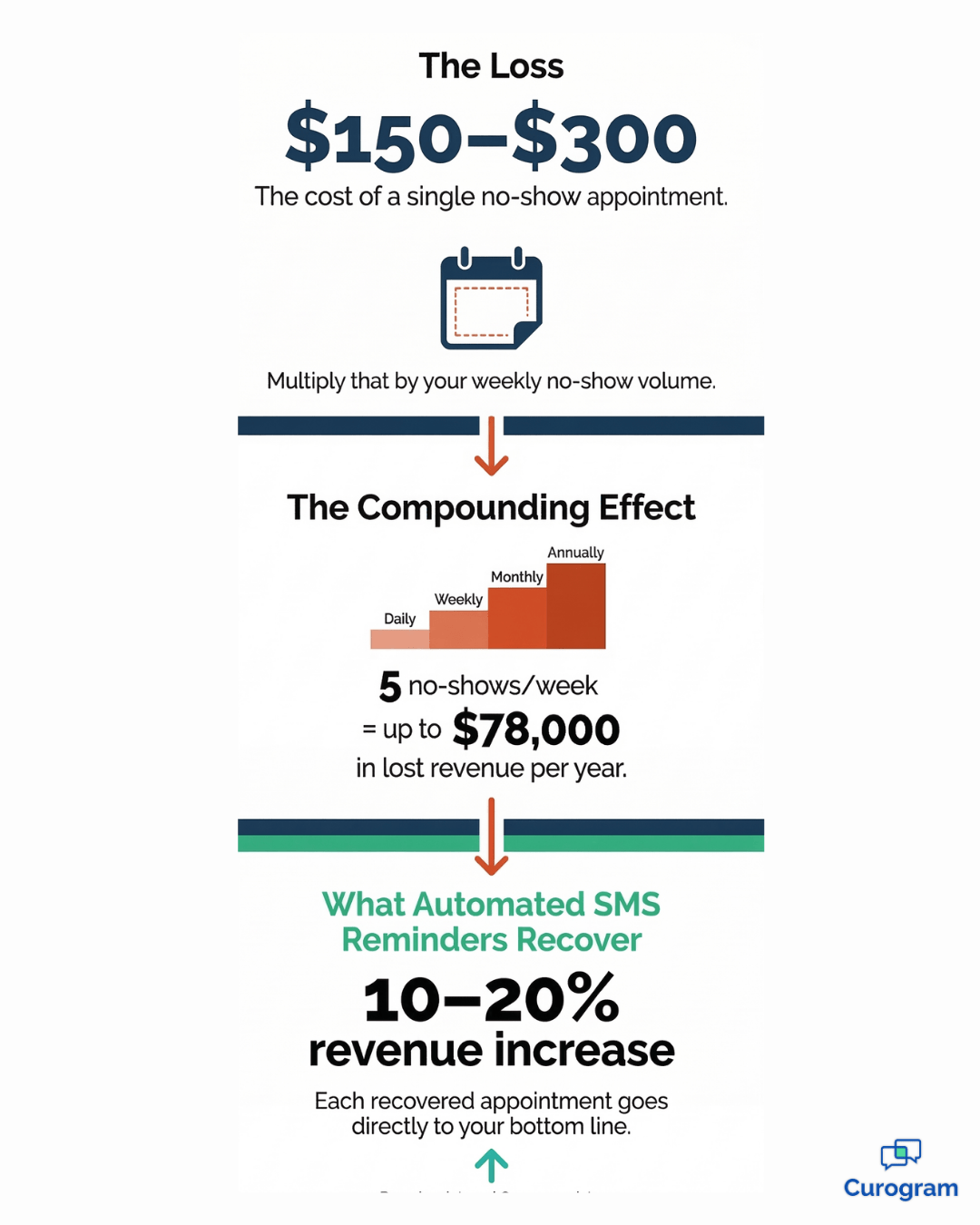
Each empty slot costs anywhere from $150 to $300 in lost revenue. For practices serving patients managing diabetes, hypertension, or COPD, a single skipped visit can delay labs, stall medication adjustments, and widen care gaps that affect quality-based funding.
The stakes are real — for the patient and for the clinic.
Curogram works alongside Azalea Health to close that gap. When a patient has a cell phone number on file, Curogram can send automated text reminders before every appointment — three days out, one day out, and the morning of.
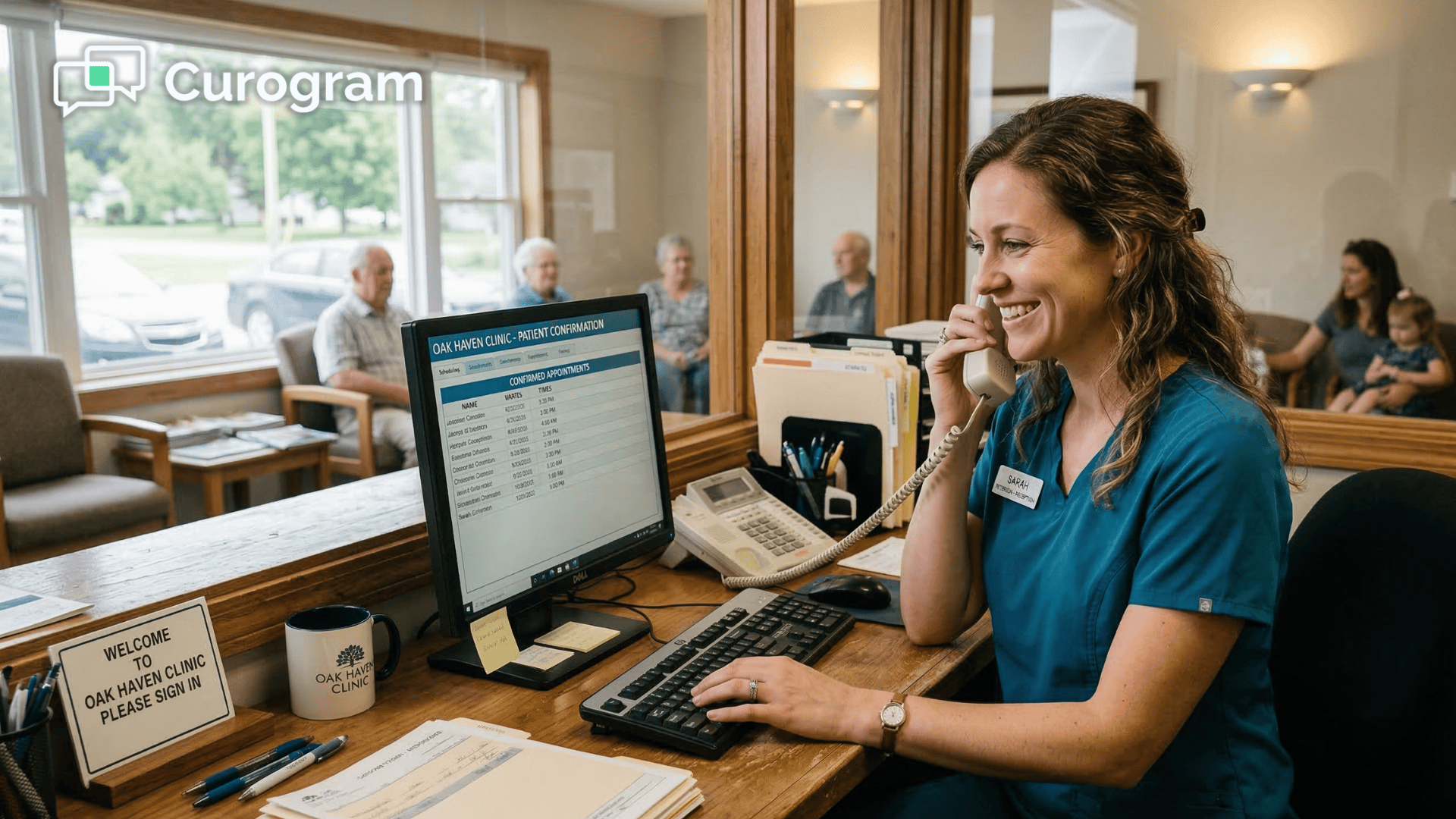
Patients don't need to download anything or create an account. They read the text, reply with one word, and they're confirmed.
For elderly patients, working parents, and anyone juggling the demands of rural life, that kind of friction-free reminder is the difference between showing up and missing out.
The sections below walk through exactly how it works, who it helps, and what the results look like in practice.
When Distance, Time, and Life Get in the Way
In a city, a missed appointment is an inconvenience. In a rural community, it's a logistical event. Patients may drive 30 to 90 minutes each way. They coordinate rides with family, request time off work, and arrange childcare or farm coverage.
When the appointment was booked during a quick phone call three weeks ago, keeping track of it means adding one more item to an already full mental load.
Think about a patient like James — 68 years old, managing COPD, living 40 miles from his nearest FQHC
His clinic sent a patient portal reminder. He doesn't have internet at home. They called on Tuesday. He was in town and missed the call.
Thursday morning, his appointment comes and goes. He's at home with no idea. His next available slot with his pulmonologist is five weeks out.
What makes this frustrating is that James wanted to be there.
He didn't skip the visit on purpose. He had every intention of going — he just didn't have a reliable way to be reminded.
That distinction matters, because it means the problem isn't patient motivation. It's patient communication. And communication is something a practice can actually fix.
Why the Standard Reminder Methods Fall Short
The missed appointments transportation barriers that affect rural health patients aren't about apathy. They're about the gap between when care is scheduled and when the patient is actually reminded in a way that reaches them.
Two common outreach methods consistently fail this population:
- Portal messages require a login and a broadband connection — neither of which many rural patients have at home.
- Phone calls during the workday miss patients who are outside, in the field, or simply unavailable.
When neither method works, the appointment simply disappears. The clinic assumes the patient knows. The patient assumes someone will call if it matters.
And in that gap between two sets of assumptions, the visit falls through.
For patients managing chronic conditions — diabetes, hypertension, COPD, behavioral health — one missed appointment creates a chain reaction.
Medications don't get adjusted. Labs don't get drawn. Care plans stall.
For FQHCs, that single missed visit can drop a quality measure the entire clinic depends on for federal funding.
There's also an emotional cost that's easy to overlook. Patients who miss appointments often feel embarrassed when they call to reschedule. Some start to wonder if they're worth the clinic's time.
Over time, that feeling can quietly become a reason to stop seeking care altogether — and a well-timed text message could have stopped that chain before it ever started.

How Curogram Keeps Patients Connected to Their Care
Curogram's patient text reminders for Azalea Health work through a system of three automated messages sent at key intervals before every appointment.
Three days out, the patient gets a friendly text with the date, time, and provider name. Twenty-four hours before, they get a confirmation request. The morning of the visit, they receive one final heads-up.
Every message asks for a one-word reply:
YES to confirm, NO to cancel, or RESCHEDULE to request a new time.
The sequence is designed around how rural patients actually live. Three days is enough lead time to arrange a ride, request time off, or line up childcare.
One day is enough to confirm those plans are in place. The morning of is enough to catch anything that changed overnight. None of it requires the patient to initiate anything — the system does the reaching out so the patient doesn't have to remember to.
Built for Patients Who Don't Do Portals
The design is intentional. No links to click. No app to install. No account to log into. Messages come from the clinic's own phone number and use the patient's first name.
For patients who struggle with technology — or who simply don't have reliable broadband.
The barrier to responding is as low as it can possibly get:
Read a text, type one word, hit send.
The no-app appointment reminders rural elderly patients need are exactly what this system provides.
It meets patients where they actually are — on their phone, in their pocket, in plain language. For clinics serving aging populations in low-connectivity areas, that accessibility isn't a nice-to-have. It's the whole point.
It also removes a common source of friction for staff. Instead of fielding calls from patients who can't find the portal link or forgot their login, the front desk handles a text-based flow that most patients can navigate on their own.
That frees up time for the interactions that actually require a human conversation.

What the Azalea Health Integration Looks Like in Practice
On the practice side, the Azalea Health patient reminder experience is equally streamlined.
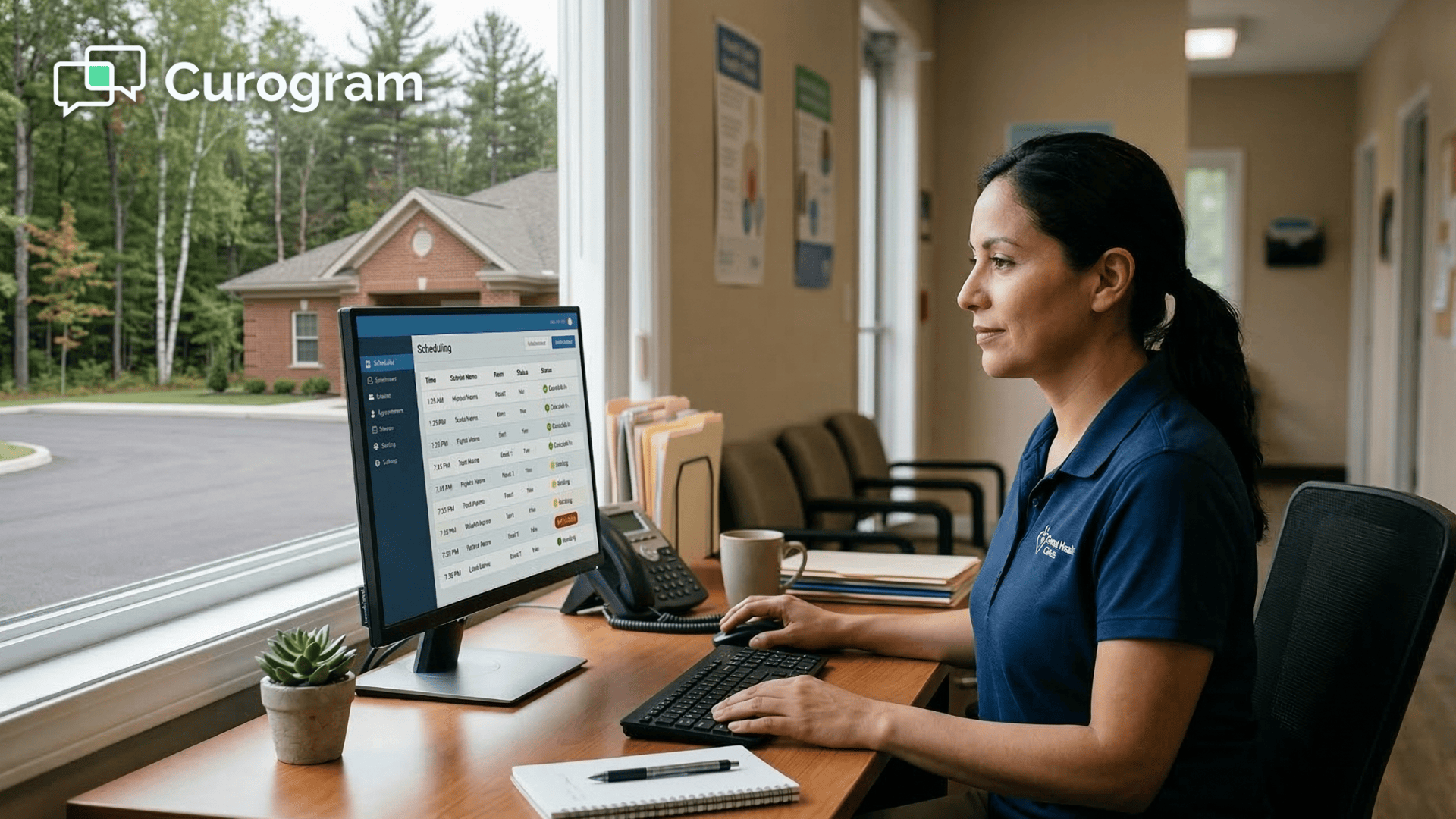
When a patient confirms, their status updates automatically on the dashboard.
When a patient replies RESCHEDULE, the front desk gets an instant notification and can offer a new time via text — no phone tag needed.
If a patient doesn't respond to any of the three reminders, the system flags them for a targeted manual outreach call, so staff aren't dialing through the entire patient roster blindly.
The 72-hour window matters especially for rural patients. It gives someone enough time to call a neighbor for a ride, request a half-day from their employer, or make childcare arrangements.
The 24-hour reminder confirms those logistics are in place. The morning-of text catches last-minute issues — a flat tire, a storm, a sick child — and gives patients a real chance to reschedule instead of simply not showing up.
What this means for clinic operations is a more predictable schedule.
When patients have been reminded three times and confirmed via text, same-day cancellations drop sharply.
Staff can walk into the day with a schedule they can trust, rather than spending the first hour calling to verify who's actually coming in. That kind of operational stability has a real impact on how efficiently a practice runs.
What Happens When Patients Actually Show Up
The numbers tell a clear story. Based on our internal data, practices using Curogram's FQHC patient no-show SMS solution see no-show rates drop by up to 53% compared to the industry average.
In one documented case study, Atlas Medical Center reduced their no-show rate from 14.20% to 4.91% in just three months — three times better than the industry average.
Text messages sent through Curogram also see a 98% open rate, which means the reminder is almost always being read.
The financial impact compounds quickly. Based on our internal research, practices that reduce no-shows with automated reminders see a 10–20% increase in revenue over time.
Each recovered appointment contributes directly to the bottom line. For rural clinics and FQHCs operating on tight margins, that kind of consistent recovery isn't just useful — it's necessary.
For practices that bill under value-based or quality-based models, the gains go beyond revenue. Fewer no-shows mean more completed chronic care visits, more closed quality gaps, and stronger performance on the measures that determine federal funding levels.
Reducing missed appointments for rural patients using Azalea Health and SMS reminders isn't just a scheduling fix — it's a strategy for protecting the clinic's financial foundation.
The Difference Shows Up Before the Visit Even Starts
The shift isn't only numerical. Patients who receive proper advance notice arrive prepared.
They're not rushing in at the last minute because they remembered 30 minutes earlier. They've had three days to plan. They bring their medication list. They fast when instructed. The visit itself goes better because the patient is ready for it.
There's also a trust factor that builds over time. When a patient consistently receives a text from their clinic before every appointment, they begin to associate that practice with reliability.
The clinic starts to feel like a partner in their health, not just a place they visit when something goes wrong.
That shift in perception affects follow-through: patients who feel connected to their provider are more likely to book future visits and more likely to keep them.
For James, the change is simple but significant. Monday morning, he gets a text: his COPD follow-up is Thursday at 10 AM. He replies YES.
Wednesday evening, a reminder asks him to bring his medication list. He puts his pill bottles by the door. Thursday at 7 AM, a final text says to have a safe drive. He fills up the truck and arrives at 9:50. His care gap closes.
And the next time the clinic texts him, he trusts that they're genuinely looking out for him — because they are.
Your Patients Want to Show Up — Make It Easy for Them to Remember
Rural patients don't miss appointments because they don't care about their health. They miss them because no one reminded them in a way that actually reached them.
That's the problem Curogram solves — and it does it through the simplest possible channel: a text message.
Azalea Health manages your clinical workflow. Curogram handles the patient side of attendance.
When the two work together, your reminder reaches the patient on the device they actually use, in language they can act on immediately, at a time that still gives them room to plan. That's the Azalea Health patient reminder experience in practice.
The practices seeing the biggest gains aren't doing anything complicated. They turned on automated SMS reminders, connected Curogram to Azalea Health data, and let the system run.
No extra staff time. No new workflows to learn. The reminders go out, patients reply, and the schedule fills up.
For rural patient appointment reminders via text message, the results speak for themselves.
No-shows drop. Revenue recovers. Care gaps shrink. Patients feel more connected to their providers — because consistent communication signals that the clinic values the relationship, not just the appointment slot.
If your practice is losing revenue to empty slots and your patients are losing continuity of care to forgotten appointments, the fix doesn't require a major overhaul. It requires a text message sent at the right time.
Schedule a demo today and see how Curogram integrates with Azalea Health to reduce no-shows from day one.
Frequently Asked Questions
No. As long as your practice has a valid cell phone number on file in Azalea Health, Curogram can send reminders automatically. Patients don't need to register, download anything, or remember a password. The text arrives like any other message from a number they recognize, and they respond the same way they'd respond to any text.
Yes. Patients can reply RESCHEDULE to any reminder, which immediately alerts the front desk to offer an alternative time. For practices using Curogram's two-way texting feature, staff can go back and forth with the patient to find a new slot entirely by text — no phone call needed on either end. This keeps the patient in the care loop instead of simply not showing up, and it gives your team a chance to backfill the original slot with another patient.
Patient feedback consistently shows that multiple reminders are appreciated, especially when appointments are booked weeks in advance. The 72-hour text helps with planning. The 24-hour text helps with preparation. The morning-of text catches last-minute problems. Patients who confirm after the first text won't receive additional reminders for the same appointment. And anyone can opt out at any time by replying STOP — making the experience fully in their control.
Yes. Curogram supports reminder messages in multiple languages, so practices serving bilingual or non-English-speaking rural populations can communicate with patients in the language they're most comfortable with. Reminder templates can be customized at the practice level, which means your front desk team sets up the message once and the right version goes out automatically based on each patient's preferred language on file in Azalea Health.
Most practices are up and running within a single business day. Curogram's integration with Azalea Health is designed to be straightforward — your team connects the systems, sets the reminder timing and message templates, and the automation takes over from there. There's no lengthy onboarding process and no need to rebuild your workflow from scratch. Reminders can go out the same evening your setup is complete, which means you can start seeing results on your no-show rate within the first week.