Mass Texting for Prime Clinical | Crisis & Broadcasts
💡 HIPAA-compliant mass texting for Prime Clinical lets medical practices reach their entire patient roster in minutes.Instead of calling each...
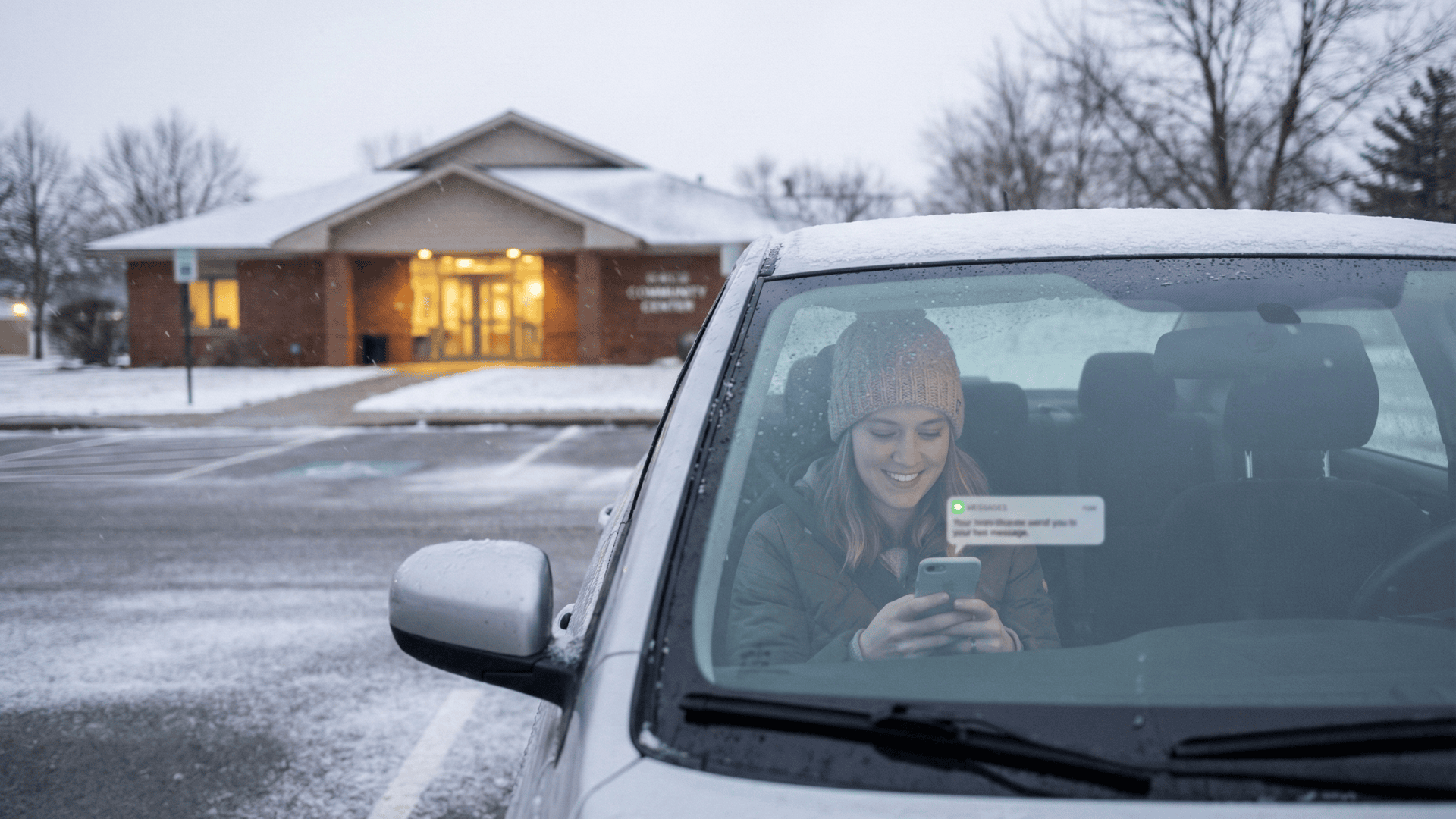
It is 4:00 PM on a Tuesday afternoon and a snowstorm just started rolling in. Your parenting class starts at 6:00 PM, and 35 families are expecting to show up. You need to cancel—fast.
In most pregnancy centers, what happens next is painfully familiar. Someone prints out the class roster while two or three staff members split the list and start dialing. Voicemails pile up and a few numbers ring to no answer.
Ninety minutes later, the staff is exhausted, and there is no way to know if every family got the message.
Then the worst part happens. A young mom drives across town in the snow and finds a locked door. She feels forgotten. That one missed call just damaged the trust your center has worked so hard to build.
This is the exact problem that mass texting for eKyros centers was built to solve. Instead of relying on a manual phone tree that wastes hours and still leaves gaps, Curogram gives you the power to send one broadcast message to an entire group in about 60 seconds.
The message lands on each person's phone as a private text—no group chat, no exposed phone numbers, and no confusion.
Because Curogram connects directly with eKyros, you can filter your audience by class, program, or volunteer role before you hit send. It works like a digital phone tree, except it actually works.
Every person gets the update at the same time, and if anyone replies, it opens a private conversation between them and your center.
The best part is that you do not need to be tech-savvy to use it. If you can send a text message from your phone, you already have the skills you need. Curogram was designed for real people running real centers, not for IT departments with unlimited budgets.
Thousands of messages go out through Curogram every day, and the centers that use it consistently say the same thing—they wish they had made the switch sooner. The time savings alone are worth it, but the real payoff is a community that feels cared for and connected.
In this article, we will walk through exactly why the old-fashioned phone tree fails your community, how broadcast messaging for pregnancy centers works with Curogram, and the kind of real results you can expect when you finally make the switch.
The phone tree has been a staple of community organizations for decades. The idea is simple—one person calls three people, those three each call three more, and so on until the message reaches everyone. In theory it works. In practice, it almost never does.
Here is how it usually plays out at an eKyros center. A class gets cancelled or an event time changes, and staff grab a printed list and start dialing.
Some people answer and some do not, but voicemails get left regardless. The whole process can take 60 to 90 minutes—far too slow for effective crisis communication.
And it is not just the time on the phone that drains your team. Someone has to print the list, organize it by group, and track who has been called. By the time the dust settles, a task that should have taken seconds has consumed an entire afternoon.
Where the Chain Breaks
These gaps are not just a minor inconvenience. They create real problems for the families and volunteers who count on your center for clear, reliable information.
The Real Cost of Missed Messages
The real cost is not just wasted time. It is the mom who shows up to a dark parking lot at 6:00 PM wondering why nobody told her. It is the volunteer who rearranged their evening only to find out the event was moved.
These small failures chip away at the trust your center depends on.
For non-profit organizations that run on tight budgets and thin staffing, relying on phone trees instead of proven best practices for crisis communication should not eat up hours of the workday.
Every minute a staff member spends dialing is a minute they are not spending with a client or preparing for the next class.
There has to be a better way to get the word out—and there is.
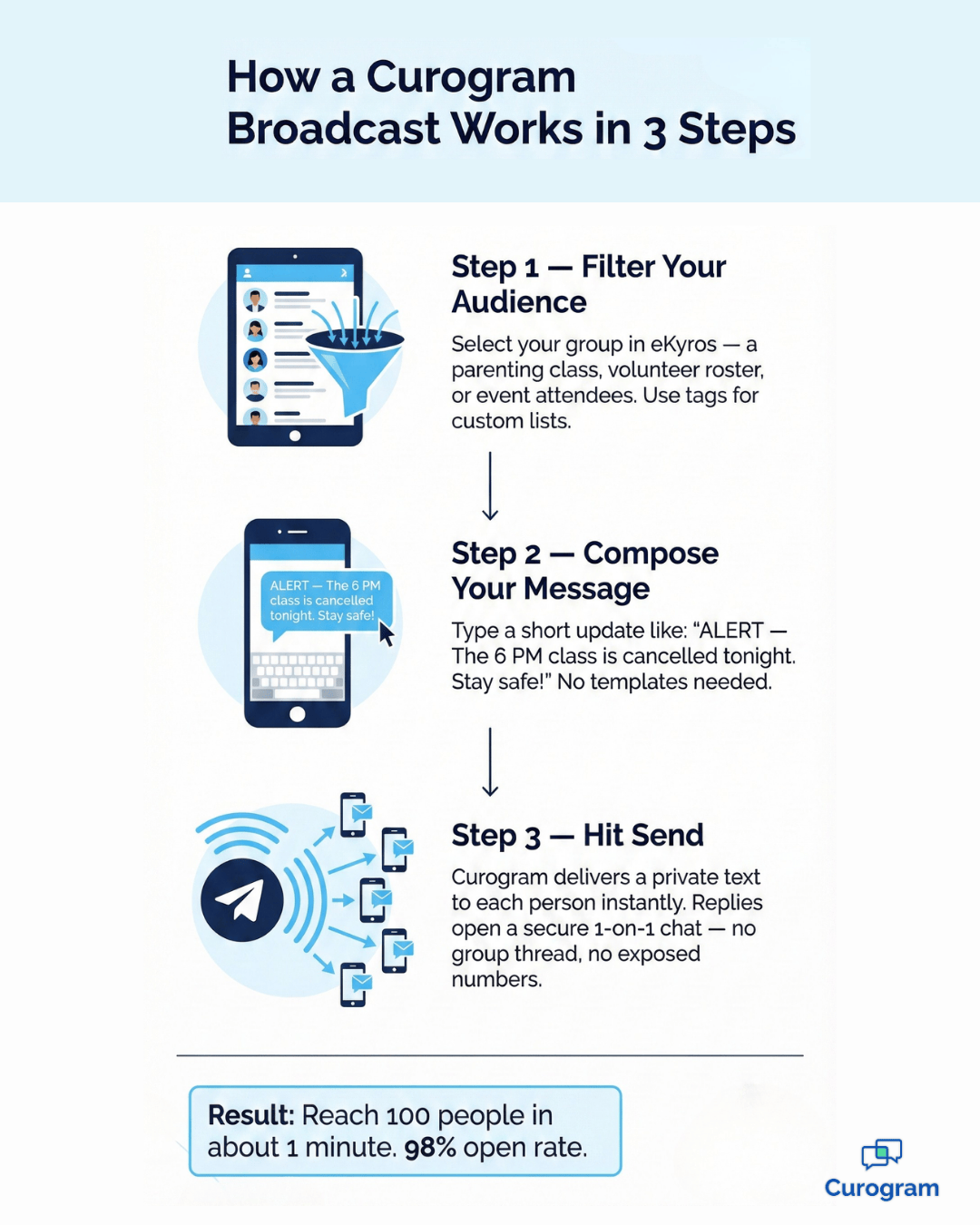
Curogram turns that 90-minute scramble into a task that takes about one minute. The process is straightforward, and it works the same way whether you are cancelling a class, reminding volunteers about a shift, or sending a schedule update.
Here is how it works when paired with your eKyros system.
Filter Your Audience
Because Curogram integrates with eKyros, you can pull up a specific group—like your Tuesday Parenting Class, your active volunteer list, or your upcoming event attendees. You can also use Curogram's built-in tags to create custom groups that match how your center is organized.
This step takes just a few seconds and replaces the printed spreadsheet entirely.
The filtering step is what gives you precision. Instead of blasting a message to every contact in your system, you choose exactly who needs to hear it. That keeps your communication relevant and avoids sending people messages that do not apply to them.

Compose and Send
Type your message and keep it short.
Something like:
"ALERT—Due to weather, the 6 PM Parenting Class is cancelled tonight. Stay safe!" Then hit send.
Curogram broadcasts the message instantly to every person in the group, and each recipient sees the text as if it came directly to them and only them.
There is no complicated template to fill out and no character limit headache. You write the message the same way you would type a regular text to a friend. The only difference is that it goes to 50 or 100 people at once instead of one.
How Replies Stay Private
Think of the broadcast as a blind carbon copy for texting. No one sees anyone else's phone number, and no patient information is shared between recipients. This is what makes HIPAA compliant group texting possible.
Unlike a regular group text on a smartphone—where everyone in the thread can see every other phone number—Curogram keeps each message private.
If a recipient replies, it opens a secure one-on-one chat between that person and the center. There is no "reply all" chaos.
That private reply feature is especially important when someone has a sensitive question they would rather not ask in front of a group. It keeps the conversation between them and your staff, which is exactly how it should be.
For centers that need to send a quick non-profit event notification about a fundraiser or a schedule change, this workflow saves enormous amounts of time. You type once, send once, and reach everyone at once.
The numbers tell the story better than anything else. When you switch from a manual calling process to a broadcast message, the difference is dramatic. Here is a quick look at how the two approaches compare.
Phone Tree vs. Broadcast at a Glance
| Phone Tree | Curogram Broadcast | |
|---|---|---|
| Time to reach 100 people | 60–90 minutes | About 1 minute |
| Staff needed | 3–5 people | 1 person |
| Open rate | Unknown (voicemail) | 98% within minutes |
| Privacy | Callers see numbers | Full BCC-style delivery |
| Delivery confirmation | No way to verify | Tracked per recipient |
The contrast is clear. One method relies on hope and manual labor, while the other gives you speed, privacy, and proof that the message landed.
For a center juggling dozens of daily tasks, that difference is not just convenient—it changes how your day works.

Why SMS Beats Email for Urgent Updates
When you need people to know about a cancellation tonight, an email sent this afternoon is not going to cut it. Text messaging reaches people where they already are—on their phones—and gets their attention almost right away.
Stewardship Over Speed
But the biggest win is not about speed or metrics alone. It is about stewardship. When you run a pregnancy center, every interaction matters.
Letting a patient know that plans have changed—before they waste time and gas driving to your building—shows that you respect their time and care about their experience.
That kind of consistent, thoughtful communication builds the trust that keeps families coming back. It tells your community that they are not just a name on a list. They are people your center values enough to keep in the loop.
Good stewardship also extends to your staff. When you cut a 90-minute task down to one minute, you free your team to focus on the work that brought them to the center in the first place—serving clients, building programs, and making a difference in people's lives.
Is this HIPAA compliant?
Yes. Unlike a regular group text on an iPhone—where every person in the thread can see every other phone number—Curogram sends individual encrypted messages.
No patient data is exposed to other recipients, and all messages are transmitted through a secure platform designed for healthcare settings.
This matters more than most people realize. A standard group text from a personal phone can accidentally reveal who else is receiving care at your center. That is a privacy violation that could put your organization at risk.
Curogram removes that risk entirely by keeping every message separate and encrypted.
Can we use this for fundraising?
You can, but with some care. Broadcast messaging works well for notifying donors about upcoming events.
For example, you could send a reminder that says "The Walk for Life starts in 1 hour!" Just make sure every recipient has opted in to receive updates from your center before you send.
Many eKyros centers use broadcasts to share event details, thank-you messages after a fundraiser, or gentle reminders about giving campaigns. The key is to keep these messages helpful rather than pushy.
When donors feel informed instead of pressured, they are far more likely to stay engaged with your mission over the long term.
Can patients opt out?
Absolutely. Every broadcast message includes standard opt-out language, such as "Reply STOP to unsubscribe." This keeps your center compliant with carrier regulations and gives patients full control over the messages they receive.
Once someone opts out, they are automatically removed from future broadcasts. Your staff does not need to manually update a list or remember who asked to stop receiving texts.
Curogram handles the process in the background so you can stay focused on running your center.
The days of scrambling through a printed phone list should be behind you. Mass texting for eKyros centers gives your staff a faster, simpler, and more reliable way to keep your community informed when it matters most.
With Curogram, one person can do in 60 seconds what used to take an entire team over an hour. Every message stays private, every reply opens a secure conversation, and every patient feels respected. That is the kind of communication your community deserves.
Whether you need to cancel a class at the last minute, remind volunteers about a weekend event, or alert donors that a fundraiser has moved indoors, the process is the same. Filter, type, send. Done.
No more broken chains, no more dark parking lots, and no more families wondering why nobody told them.
Your center already does incredible work helping people in your community every single day. The way you communicate with those people should reflect that same level of care and attention.
Broadcast messaging lets you show up for your community even when plans change at the last second.
If your center is still relying on a phone tree or group emails that nobody reads, it is time to try a better approach. Your patients, volunteers, and donors deserve communication that is as caring as the services you provide.
Ready to see how it works for your center? Schedule a demo with Curogram today and find out how easy it is to replace the phone tree for good.
💡 HIPAA-compliant mass texting for Prime Clinical lets medical practices reach their entire patient roster in minutes.Instead of calling each...
💡 Independent clinics maintain smooth operations by using practice updates for Elation Health clinics to send instant mass SMS alerts.By linking...
💡 Multi-location GE Centricity clinics use HIPAA-compliant mass texting to manage urgent communication across radiology and specialty departments....