
Why Patients Pay Faster via Text | Meditab IMS Text-to-Pay
💡 Meditab IMS patients pay faster when you text them a payment link because text removes the friction that causes delays. Portal logins stop...
6 min read
Aubreigh Lee Daculug
:
July 8, 2026
Your practice earned the money, and eClinicalWorks logged every charge. So why does so much of that revenue never actually reach your bank account?
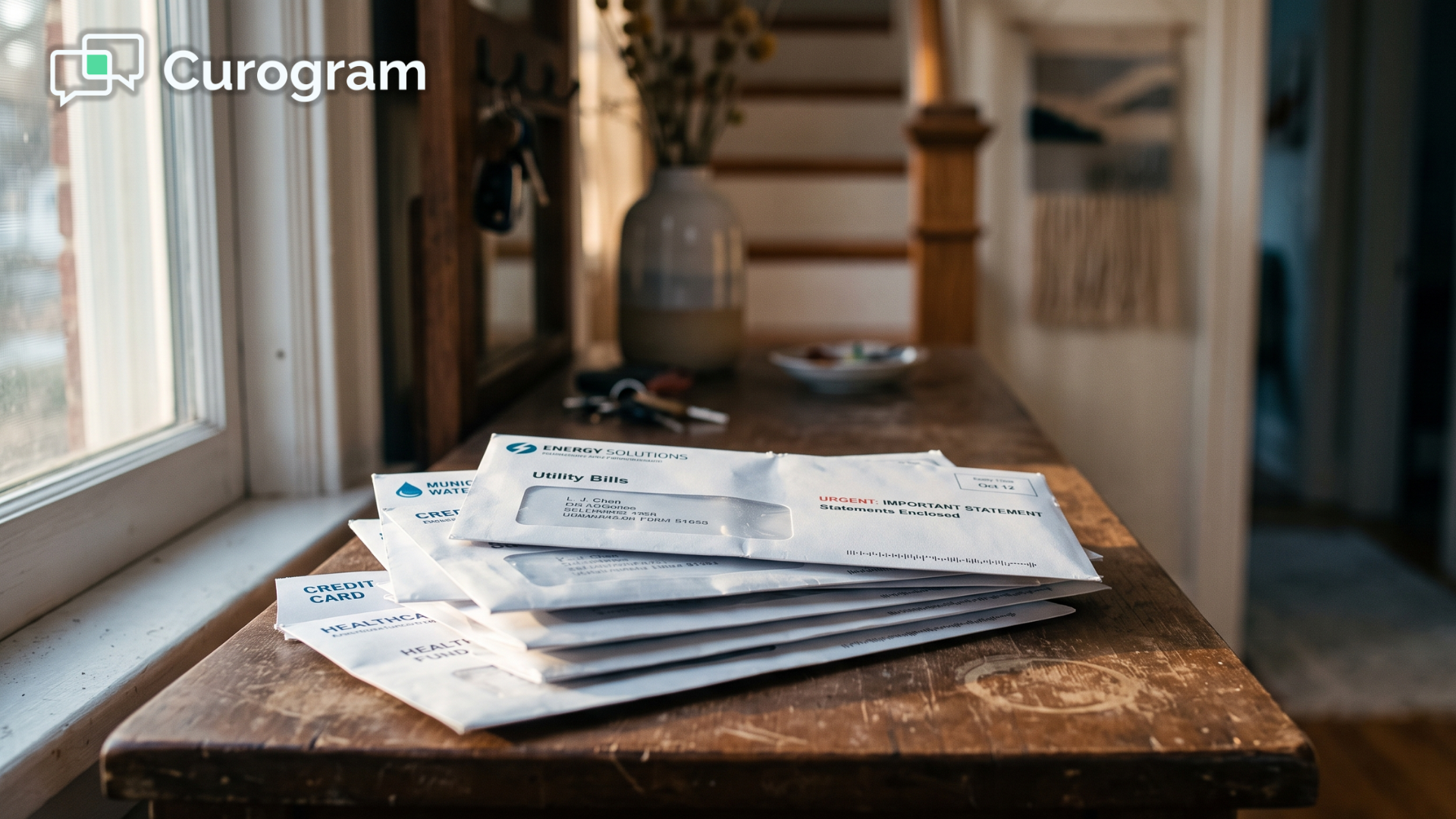
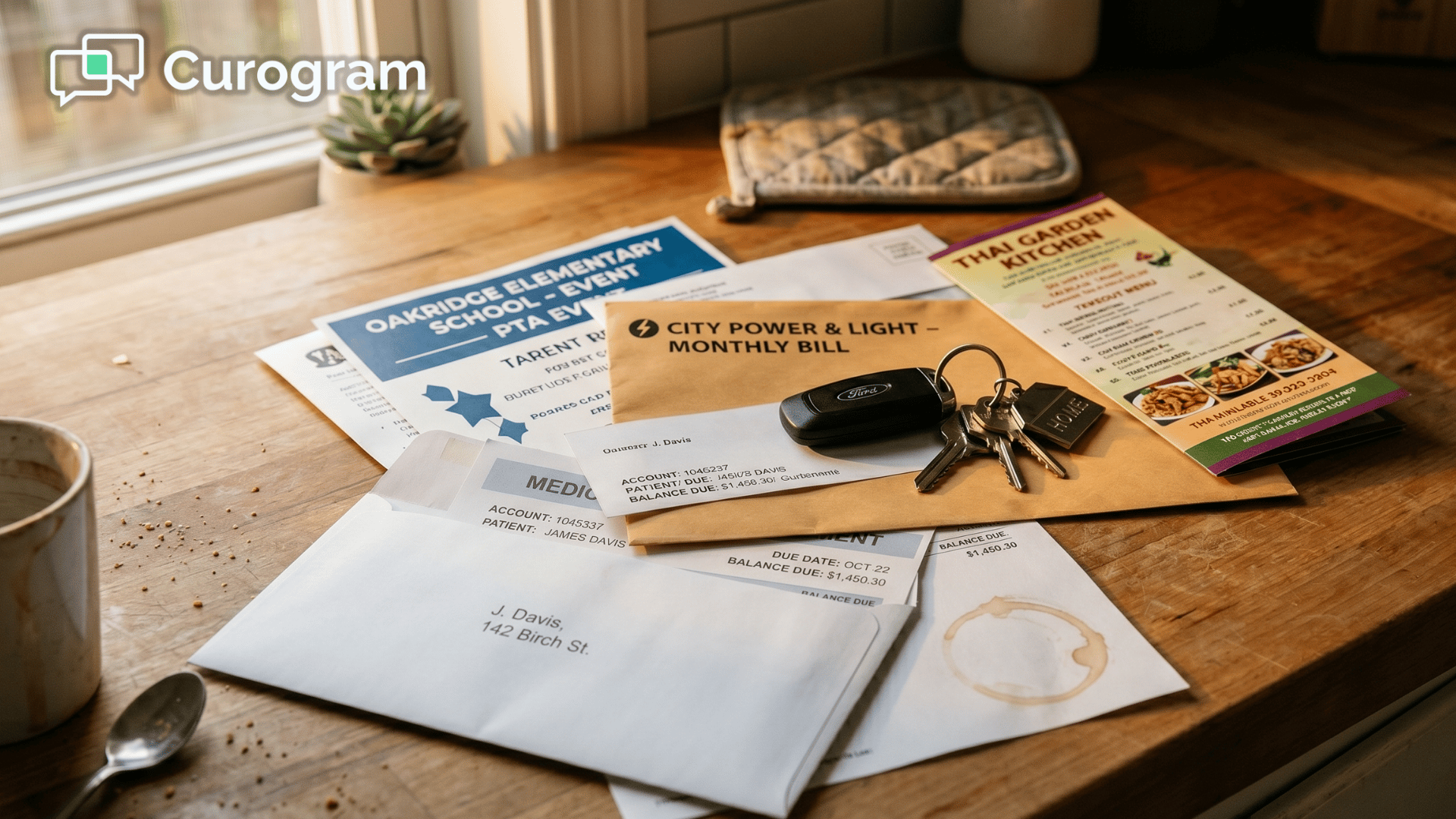
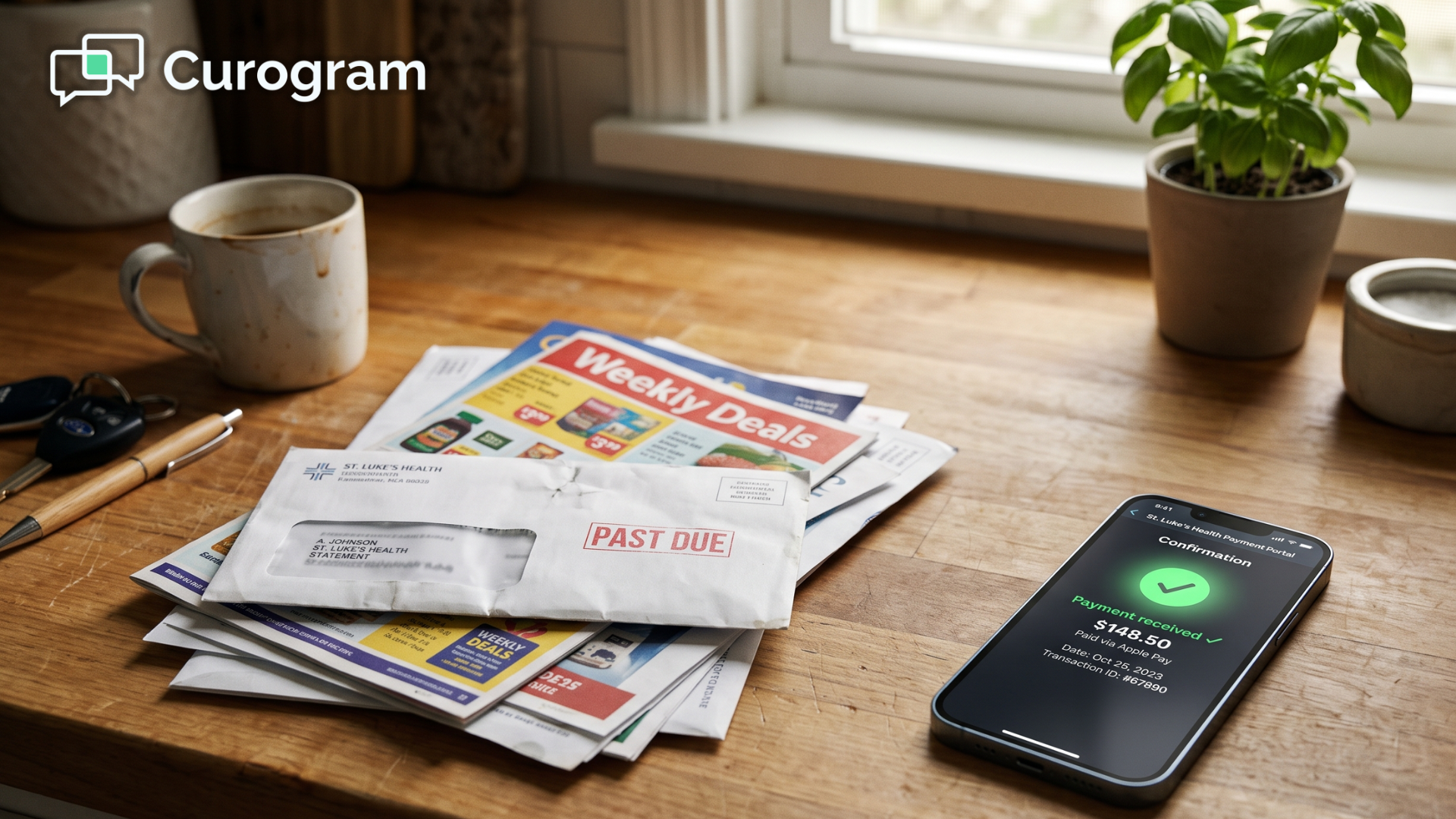
The answer is sitting in your outgoing mail. A printed statement leaves your office, lands on a patient's counter, and waits there indefinitely. The patient fully intends to pay it, but then everyday life intervenes and the envelope disappears beneath a stack of unopened junk mail.
A second statement goes out weeks later. A staff member calls about the outstanding balance and leaves a voicemail nobody bothers returning. Months pass, and eventually a genuinely collectible balance gets written off as an unrecoverable loss.
It sounds like a small, tolerable leak. It absolutely isn't.
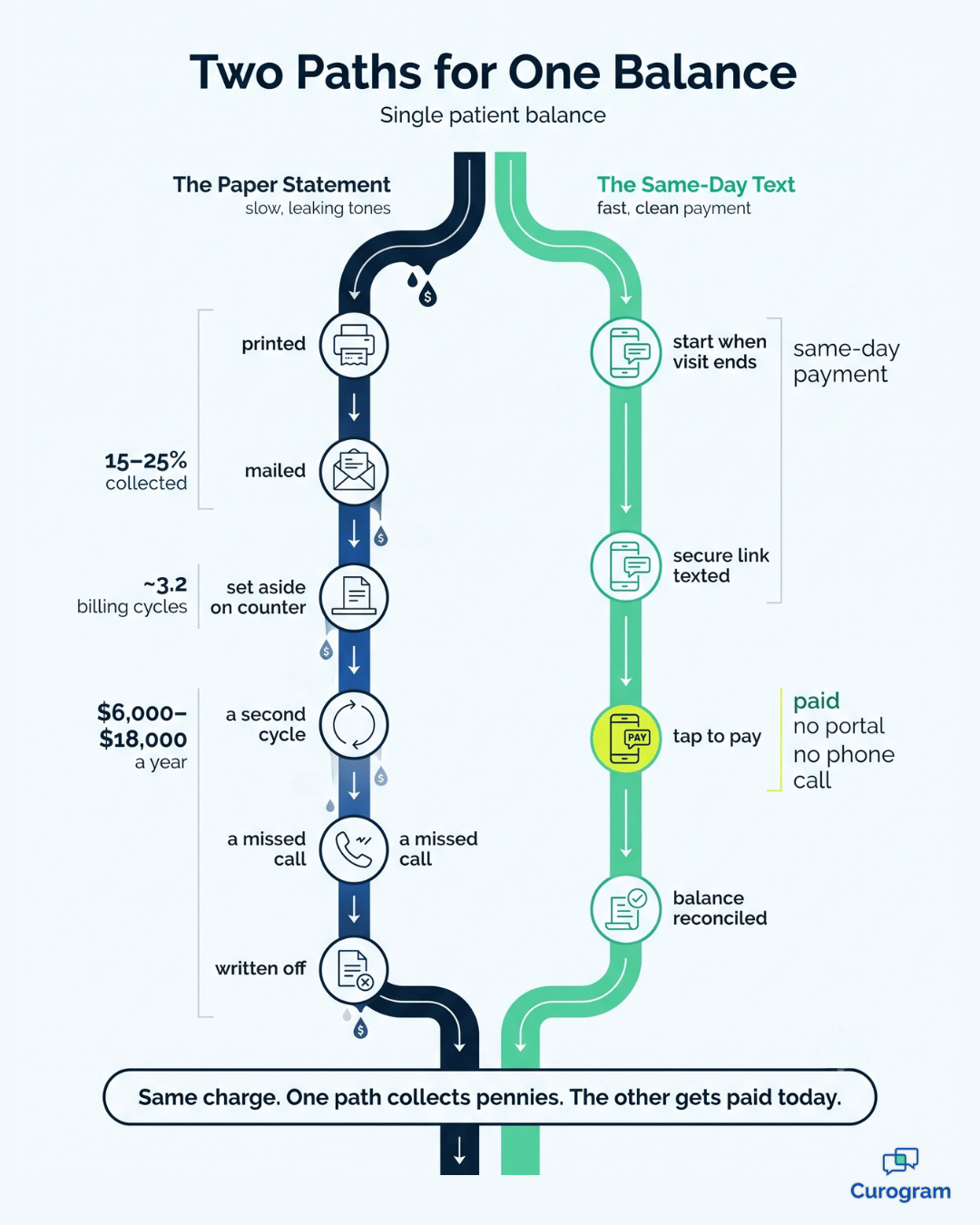
Mailed statements collect only 15–25% of what patients owe, and they take about 3.2 billing cycles to do it. Each individual statement costs somewhere between $0.50 and $1.50 to print and mail.
For a practice sending 1,000 to 3,000 every month, that adds up to $6,000 to $18,000 a year, all spent chasing balances the slow way.
Now factor high-deductible insurance plans into the equation. Patient balances have climbed roughly 30%, which means a larger share of your revenue now depends on collecting directly from patients. The old mailbox was never built for that job.
Here is the genuinely encouraging part of the story.
You do not have to replace your system or retrain your entire team to solve this problem. You can collect patient payments by text in your eClinicalWorks practice and get paid the same day a visit ends.
This guide explains why the mailed bill consistently fails, how a single text message changes the underlying math, and what genuine same-day collections look like inside a working practice.
None of it requires a big project or a brand-new vendor to learn.
eClinicalWorks captures every charge cleanly. But the moment a patient balance appears, collecting it gets handed off to the mail — the slowest and leakiest channel you have.
Think about one statement leaving your office. It gets printed, stuffed, stamped, and mailed. It lands on a counter, gets set aside, and then vanishes under a pile of other papers.
A second cycle goes out.
A staffer calls and leaves a message. Months later, the balance is written off.
The money was collectible the whole time. The process is what lost it.
Here is how those costs stack up when you lean on paper:
| The paper statement | What it actually costs you |
|---|---|
| Collection rate | Only 15–25% of balances |
| Time to collect | About 3.2 billing cycles |
| Cost per statement | $0.50–$1.50 to print and mail |
| Yearly cost (1,000–3,000 mailed monthly) | $6,000–$18,000 |
Here is a simple example. Say you mail 2,000 statements a month at $0.75 each. That is $1,500 a month, or $18,000 a year, just to send them.
Now apply the collection rate. If patients owe $50,000 a month and paper collects 20%, you bank $10,000 and chase the other $40,000 the slow way.
In practice, that means you are paying real money to collect a small slice of what you are owed. That is the true price of the paper statement, and it is why so many offices want to reduce paper statement costs at an eClinicalWorks practice.
High-deductible plans have pushed patient balances up around 30%. For your team, that means more of your revenue now depends on collecting from patients directly — and the old mailbox was never built for that job.
Now follow that same balance down a much faster path.
Curogram works like a virtual front-desk assistant. It collects balances by text on the same day, and it runs right alongside eClinicalWorks instead of replacing it. Your system of record does not change at all.
The engine behind it is Text-to-Pay, built for exactly this handoff. Text-to-pay for eClinicalWorks practices closes the gap between the charge and the payment.
Here is how one balance moves from open to paid:
That is the entire loop. It sounds simple. It is — and that is exactly the point.

Because everything runs on text, these SMS payment links in eCW travel the same channel your patients already use for reminders and confirmations. Payments are captured and reconciled, so collection is faster and cleaner while eClinicalWorks stays the system of record.
If you want payments posting directly into the eCW billing module, the Wave 1 technical guide covers that setup.
The fit shifts by specialty, but the friction it removes stays the same.
A pediatric office texts a parent for a copay right after the visit.
A primary care or internal medicine practice clears a high-deductible balance the same day.
A behavioral health clinic collects session fees discreetly, turning an awkward front-desk moment into a simple eCW patient balance payment by text.
So what actually changes when the bill becomes a tap?
The 3.2-cycle wait stops being the price of every balance. The 15–25% collection rate stops being the ceiling you are stuck under. When a patient can settle up by tapping a text, the slow math of the mailed statement simply stops applying.
For your team, that is the difference between waiting three cycles for a fraction of what is owed and resolving most balances within hours of the appointment.
Your practice moves from the paper statement to the same-day balance.
Most balances clear within hours of the visit. The statement printer goes quiet. And the practice stops writing off money it already earned.
That is not a dramatic system overhaul. It is the same charge, collected through a channel patients actually check.
Faster patient collections in eCW come from meeting people exactly where they already are, which is on their phones.
The fastest way to collect a balance was never another statement dropped in the mail. It is a payment link the patient can tap before they leave your parking lot.
Here is the cleanest way to think about the difference. eClinicalWorks is built for your charges, and Curogram is built for their payment. One records exactly what is owed, while the other actually collects it. Put them together, and a slow paper cycle becomes same-day cash flow.
The paper statement quietly costs your practice twice over. First in postage and printing, which runs thousands a year to mail bills that collect pennies on the dollar.
Then, in the aging balances that eventually get written off entirely. You are essentially paying money to lose money.
Text-to-pay reverses that math completely. You stop mailing statements at your eClinicalWorks practice and start sending a link that gets tapped, paid, and reconciled the same day. Patients appreciate it because it is genuinely easy. Your billing team appreciates it because the endless chasing finally stops.
None of this asks you to replace what already works well today. eClinicalWorks stays exactly where it is.
There is no IT department required and no disruption to your existing workflows, just a faster front door for payments that used to trickle in slowly through the mail.
So the real question is not whether the mailed statement is quietly costing you. It is how much longer you are honestly willing to keep paying for it.
If you are ready to see it work, schedule a demo. We will send a secure payment link by text and watch the balance clear the same day, using the workflow your team already knows.
Yes. Text-to-pay uses a secure payment link, and Curogram is built specifically for healthcare, so the patient communication around the payment is handled appropriately. Patients pay on a protected page instead of mailing a check or reading a card number aloud over the phone.
It reconciles. Payments are captured and reconciled so your team collects faster without manually chasing anyone, and Curogram runs alongside eClinicalWorks rather than duplicating it. For payments posting straight into the eCW billing module, the Wave 1 integration guide covers the technical detail.
Text-to-pay is the fast default, not the only option, so patients who genuinely want mail can still receive it. In practice, most people pay sooner when the bill is a tap on their phone, and that is what shrinks the costly paper cycle for everyone else.
Much faster than mail, in most cases. A text lands on a device people already check constantly, so a balance that once took 3.2 billing cycles can clear the same day. Even a modest bump in same-day payments adds up fast when you mail thousands of statements a month.
No, and that is a big part of why it works. The patient simply taps the link in the text and pays on a protected page, with no app to install and no portal login to remember. Removing those extra steps is a major reason payment rates climb.
💡 Meditab IMS patients pay faster when you text them a payment link because text removes the friction that causes delays. Portal logins stop...
💡 Text payment links for CharmHealth patients without portal login get paid because they strip out the friction that stalls every other method. A...
💡 Modmed patients can pay their balance via text in about 30 seconds — statement to payment with one tap. The practice sends a secure SMS with the...