
1 min read
Improving Patient Preparedness with Appointment Reminders in DrChrono
💡 DrChrono appointment prep reminders help patients arrive prepared. With integrated reminders, your staff avoids long calling lists, and you can:
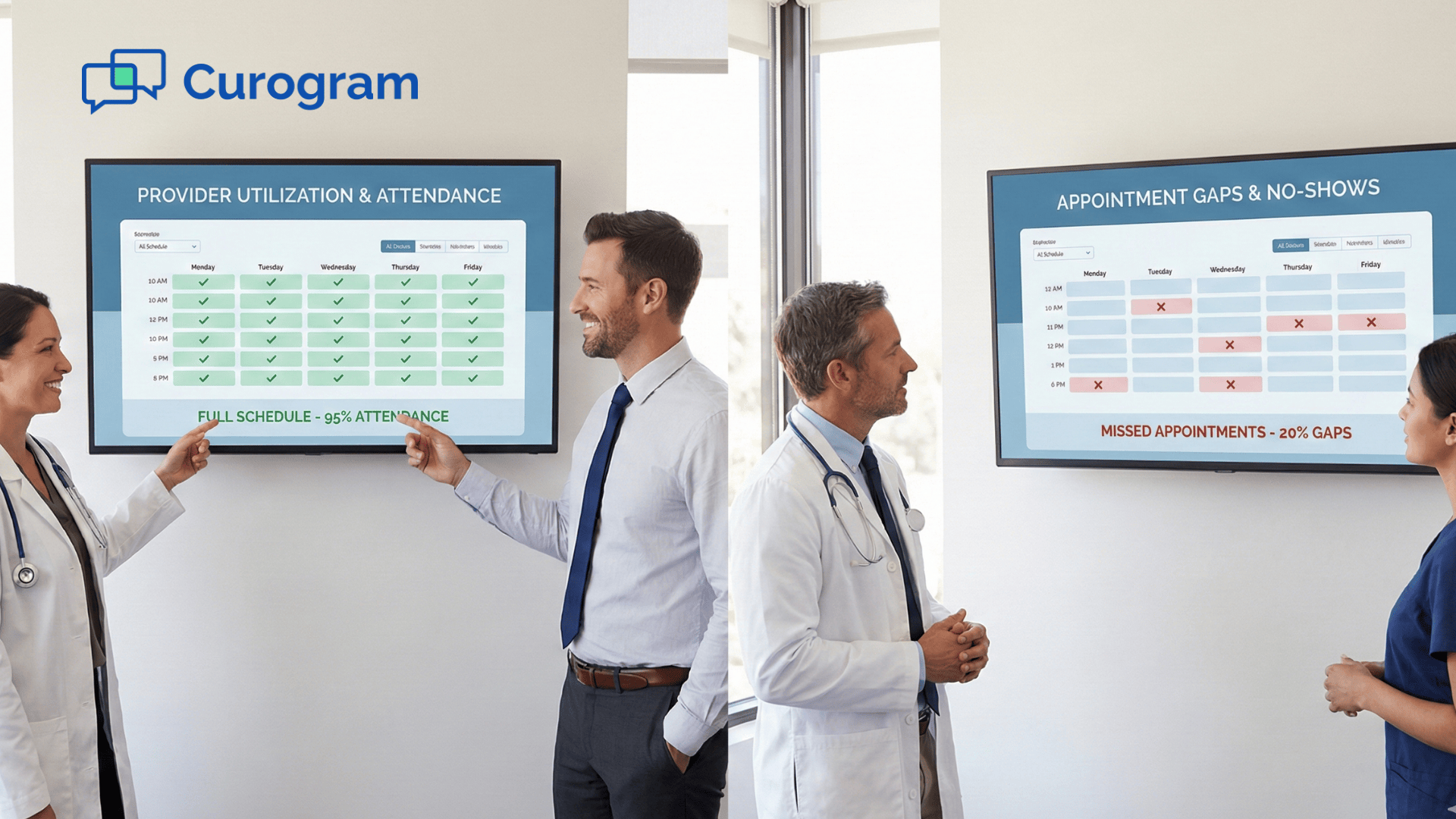
When patients miss their appointments, the entire day shifts. Providers lose time they cannot get back. Staff scramble to fill empty slots, and the clinic loses revenue with every no-show. Small practices feel these gaps more than anyone because each appointment matters.
Families often forget appointments for simple reasons. They get busy, lose track of time, or misremember the date. Without reminders, these moments multiply into missed visits. Over time, this affects the clinic’s financial health and the trust patients have in their provider.
Reminders change that pattern. A quick message can reduce no-shows DrChrono practices experience and help patients follow through. When people receive clear reminders, they are more likely to attend, reschedule, or confirm. This gives clinics a steady rhythm that feels easier to manage.
This blog explores how missed appointments create business risks. It explains how Curogram improves return on investment by lowering no-show rates and strengthening patient communication. You will also learn about benefits for executives and practice leaders who want predictable scheduling and stronger utilization.
When clinics do not send reminders, no-shows rise quickly. Patients forget visits more often because nothing brings the appointment back to mind. This leads to lower attendance and weaker follow-through. Each missed visit impacts the clinic’s revenue.
Idle provider time is another major risk. When a patient does not show up, the provider’s time cannot be reused. This leads to wasted hours that could have served someone else. Over the course of a month, these empty gaps add up to major financial loss.
Staff feel the strain too. They try to fill cancellations at the last minute, but many patients cannot come on short notice. This makes the schedule unpredictable and forces staff to juggle tasks they should not have to manage. A calmer workflow becomes harder to maintain.
Missed communication also affects patient retention. People stay with clinics that communicate clearly. When reminders do not exist, patients feel disconnected. They may switch to a practice that sends updates on time.
Over time, inconsistent communication harms a clinic’s reputation. Patients may assume the practice is disorganized. Even small lapses in communication have a big impact, especially in small communities. Strong reminders help keep trust steady.
Without a reliable system, the clinic loses both time and revenue. A reminder strategy creates stability by keeping patients informed. It helps reduce no-shows DrChrono practices struggle with and supports a predictable schedule. This makes daily operations smoother for everyone involved.
Curogram helps clinics reduce no-shows DrChrono users experience by sending clear, timely reminders. These reminders reach patients through channels they check often. When people receive messages before their visits, they show up more consistently. This creates strong financial gains for the clinic.
Many patients simply need a prompt to remember their appointment. A short message can prevent missed visits. When no-shows decrease by even 25–30%, clinics recover significant revenue. Providers also have fuller schedules with fewer gaps.
This increase in attendance improves workflow. Staff spend less time on rescheduling or chasing overdue appointments. Patients feel more supported because communication is consistent. Small improvements create powerful outcomes.
Productivity rises when schedules stay full. Providers move from visit to visit without long idle periods. This improves daily efficiency and helps clinics meet their goals. Strong reminders turn unpredictability into a stable routine.
Higher productivity also boosts team morale. Staff can plan their tasks more effectively. They do not scramble to fix broken schedules. Everyone benefits when the day moves smoothly.
Reminders help patients feel connected to the practice. They appreciate the clear communication and reliability. This encourages them to stay with the same provider long-term. Retention rises when patients feel cared for.
Retention directly affects revenue. Long-term patients schedule more visits and follow recommended care plans. Clear communication reduces churn and builds trust. A small message goes a long way in strengthening relationships.
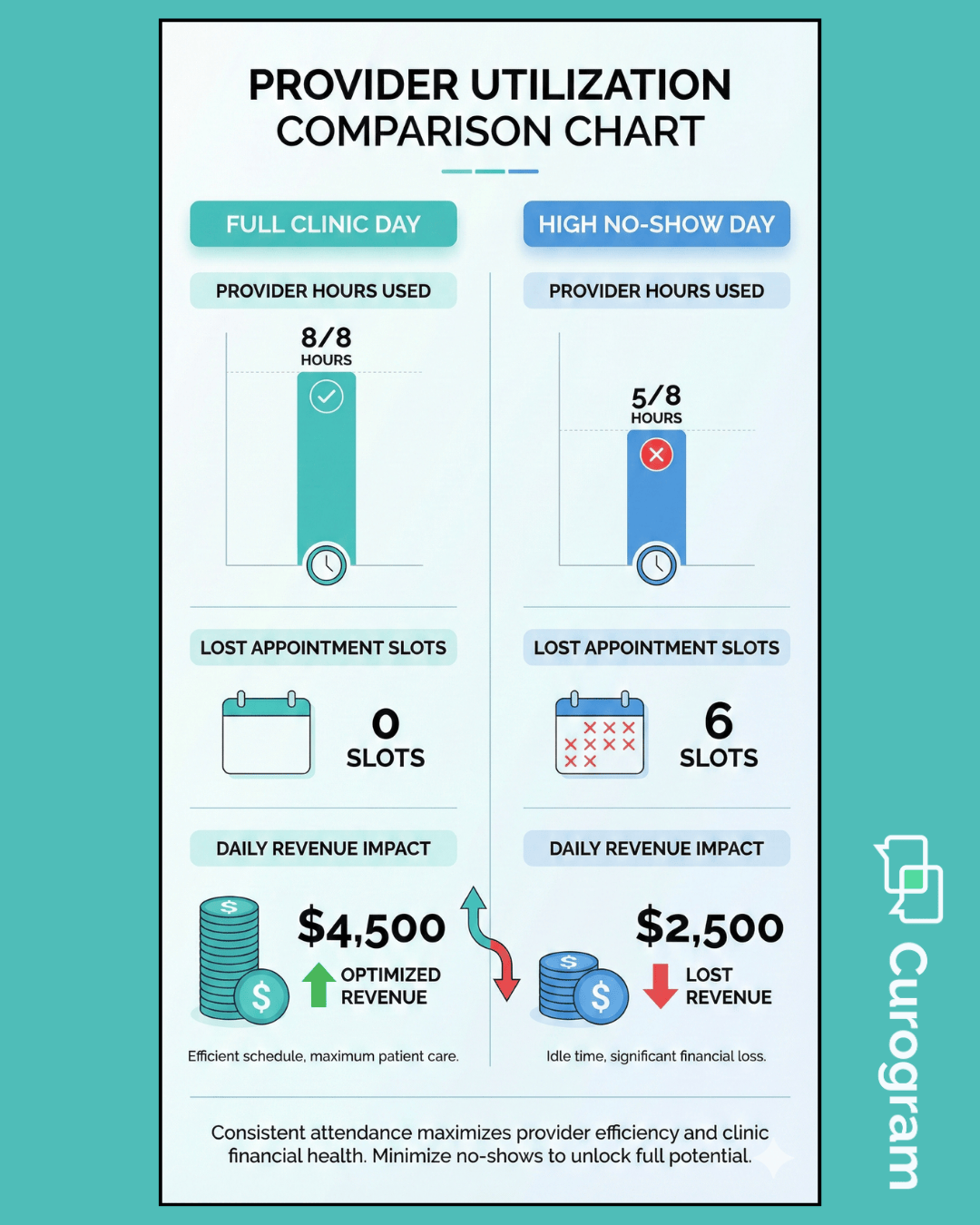
For executives and practice owners, reminders offer strong financial and operational benefits. They help reduce no-shows DrChrono clinics face and support predictable scheduling. They also strengthen patient loyalty. These outcomes make reminders an essential tool for small practices.
When no-shows drop, providers complete more visits each day. This improves revenue without adding more work hours. Clinics use the same schedule but produce better results. It is one of the most efficient ways to increase income.
Revenue rises not only from completed visits but also from follow-up care. Patients who attend regularly stay on track. Providers can recommend treatments with confidence. This creates stronger long-term financial stability.
Predictable scheduling makes daily operations easier to manage. Fewer no-shows mean fewer disruptions. Staff can plan their tasks without constantly reacting to sudden gaps. Providers maintain a steady rhythm throughout the day.
Predictability also supports smarter staffing. Leaders know when to adjust hours or allocate resources. It prevents burnout and reduces unnecessary overtime. A stable schedule benefits everyone in the clinic.
Patients prefer clinics that communicate clearly. Reminders make your practice feel organized and reliable. This improves your reputation and sets you apart from competitors. Happy patients often share positive experiences with others.
A patient-friendly reputation also brings new families into the clinic. Word-of-mouth referrals rise when communication is strong. People trust practices that stay engaged. Reminders help build that connection.
Executives want tools that make daily operations lighter. Reminders reduce the number of calls staff must handle. They help prevent double-booking and last-minute reshuffling. This makes the workday more manageable.
Less stress leads to better performance. Staff communicate more effectively when they are not overwhelmed. Patients feel the difference during check-in and follow-up. The entire clinic becomes more balanced.
Missed visits interrupt treatment plans. Reminders help keep patients on schedule. This supports better clinical outcomes. It also strengthens the relationship between the provider and the patient.
When care remains consistent, long-term trust grows. Patients rely on the clinic to guide them. Executives appreciate this stability because it improves both health and revenue. Consistency benefits the entire community.
A small family clinic struggled with high no-show rates. Providers lost hours each week waiting for patients who did not arrive. Staff worked hard to fill last-minute gaps, but the effort was not enough. They needed a clearer reminder system.
After adopting a structured reminder workflow, the clinic began to reduce no-shows DrChrono patients were missing. Attendance improved steadily over several months. The clinic recovered thousands of dollars in lost appointments. By the end of the year, they generated $100K in additional annual revenue after reducing no-shows by 20%.
The providers felt more productive. Staff felt less stressed because the schedule became predictable. Patients appreciated the reminders and stayed engaged with their care. The entire practice benefited from a more reliable system.
Start by reviewing your current no-show patterns. Identify which visit types could benefit most from reminders. Build reminder rules around these visits first. Keep the initial setup simple.
Next, choose a reminder workflow that integrates with DrChrono. Make sure the system supports clear messaging and secure delivery. Train staff on how to manage reminders so everyone follows the same process. This keeps communication consistent.
When you are ready, evaluate how Curogram can support your goals. The platform helps clinics reduce no-shows DrChrono users face with timely reminders and a smooth communication system.
Curogram gives clinics a secure and simple way to send reminders. Patients receive messages at the right time, which helps them remember their appointment. Staff save time because they do not have to call each patient manually. This supports steady daily operations.
Curogram also fits naturally into DrChrono workflows. Messages connect to the schedule, so nothing is missed. Providers see fuller calendars because appointment attendance improves. This boosts revenue while reducing wasted time.
The platform helps small practices stay organized. Reminders look clear and professional, which builds patient trust. Clinics that use Curogram reduce no-shows DrChrono systems struggle with and gain a more reliable workflow for both patients and staff.
No-shows affect every part of a clinic’s workflow. Providers lose time, staff rush to refill gaps, and patients delay important care. A simple reminder can prevent most of these issues. Clear communication supports better attendance and smoother schedules.
Reminders help reduce no-shows DrChrono practices experience each week. When patients stay informed, they show up more often. This leads to higher revenue and fewer disruptions. It also strengthens long-term patient relationships.
Tools like Curogram make reminders easy to manage. They support secure, automated messaging that fits naturally into daily operations. With strong reminders, clinics gain stability, better outcomes, and a more predictable day. A small change creates a big impact for both staff and patients.
Protect revenue and patient satisfaction with DrChrono reminders. Book your demo today.

1 min read
💡 DrChrono appointment prep reminders help patients arrive prepared. With integrated reminders, your staff avoids long calling lists, and you can:
1 min read
 Sharee Narciso : Dec 9, 2025, 8:00:00 AM
💡 Many practices rely on manual reminders, but this leads to gaps, inconsistent follow-up, and lower patient compliance. Automated reminders in...

1 min read
💡 Cloud 9 appointment prep reminders can boost your dental clinic's attendance rates. Automation can help keep braces and retainer patients on...