
80+ Ways: How to Send a Reminder Text (Tips & Templates)
Wondering how to send a reminder text that gets results? Discover 80+ polite templates, real examples, and expert tips for appointments, events, and...
12 min read
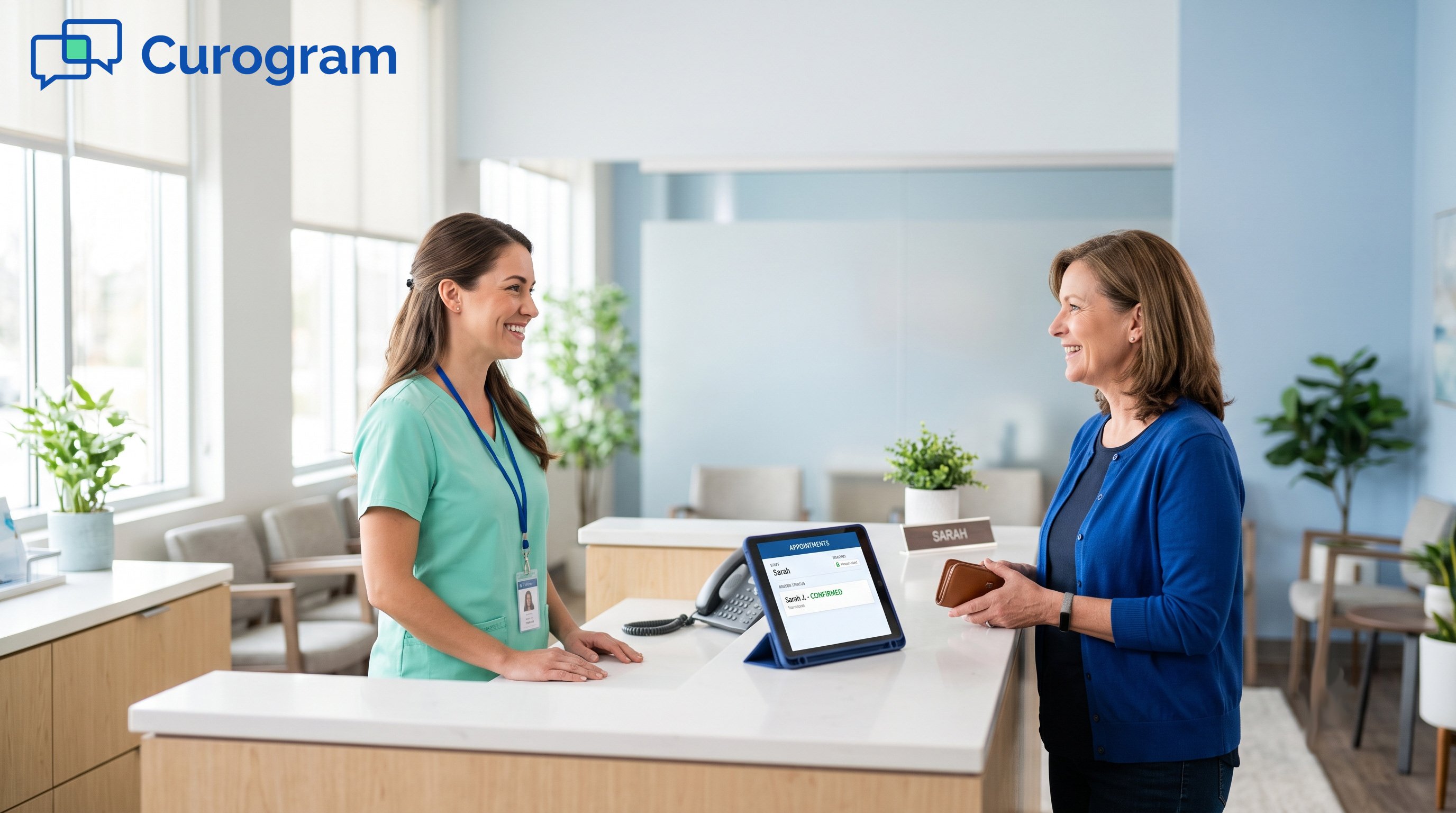
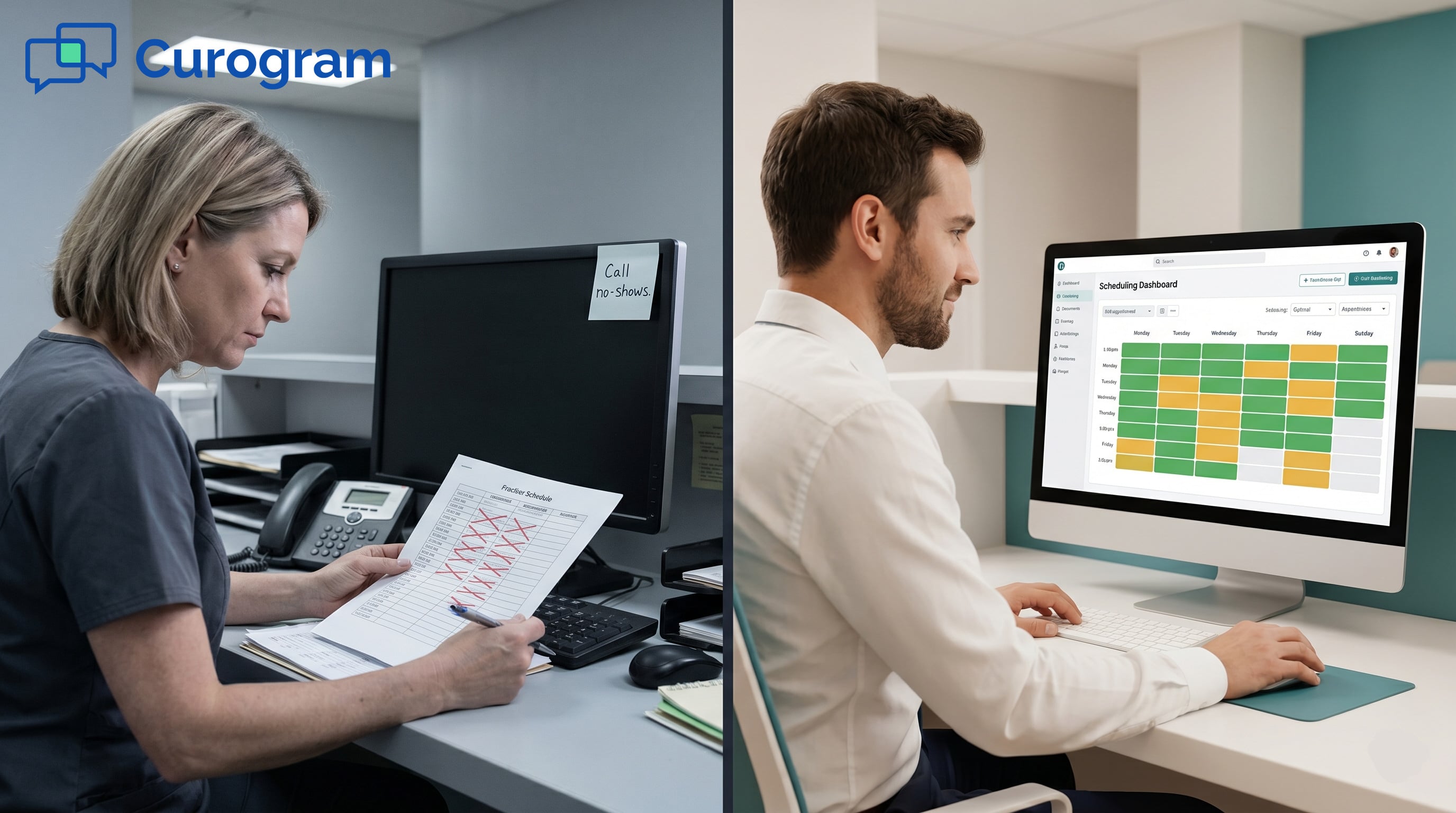
It is 2:00 PM on a Tuesday. The schedule is full, the room is prepped, and the staff is ready. But the 2:00 PM client never walks in.
That empty slot is not a small annoyance. For a dental practice, it can mean $300 in lost production. For a specialist, it is a wasted hour that someone else needed. Multiply that across a week, and the numbers get ugly fast.
Here is the good news. Most no-shows are not caused by rude clients or bad intentions. They are caused by plain forgetfulness. An appointment made three weeks ago simply slips out of someone's head.
You do not need a bigger front desk team to fix that. You need a better appointment confirmation text template.
This guide covers why confirmation texts work, what goes into a strong message, and more than 50 templates you can copy today. We also cover timing, automation, and the consent rules you cannot ignore. By the end, you will have a system that protects your schedule instead of hoping for the best.
A confirmation text looks simple on the surface. Behind it sits real money, real staff hours, and a real first impression. Here is what a good template actually does for your business.
This is the headline benefit. A no-show is a total loss for that time slot. There is no partial credit.
Say a single visit is worth $150. Five no-shows a week means $750 gone. Over a year, that is roughly $39,000 you never billed.
Text confirmation works because of a small psychological trick. When someone replies YES, they are making a commitment out loud. People tend to follow through on things they have actively agreed to.
The Real Cost of Five Weekly No-Shows
|
Visit Value |
Weekly Loss |
Monthly Loss |
Annual Loss |
|---|---|---|---|
|
$100 |
$500 |
$2,167 |
$26,000 |
|
$150 |
$750 |
$3,250 |
$39,000 |
|
$250 |
$1,250 |
$5,417 |
$65,000 |
|
$400 |
$2,000 |
$8,667 |
$104,000 |
The process of manually confirming appointments eats a shocking amount of time. Someone has to pull the schedule, dial each client, wait through voicemail, and log the answer.
Thirty minutes a day adds up to about 130 hours a year. At $20 an hour, you are spending $2,600 on a task software can handle automatically.
But the bigger cost is what that person is not doing. Those hours could go to greeting patients, chasing unpaid balances, or answering the phone faster. Automation does not replace your team. It gives them their day back.
Picture two practices. One sends a clean, personalized confirmation text message 24 hours ahead with everything the client needs. The other sends nothing and hopes.
Which one feels more competent? The answer is obvious, and clients make that judgment before they ever meet you.
A confirmation text message is also a great place to set expectations. You can remind people to fast before a blood draw, bring their insurance card, or fill out intake forms online. Fewer surprises means fewer delays and a calmer waiting room.
Templates are a starting point, not a finish line. Once you understand what each piece of the message is doing, you can bend any template to fit your brand. Every line should earn its place.
A strong appointment confirmation message has five moving parts. Drop any one of them, and the message gets weaker.
Start with the client's name. Personalization is what separates a real message from spam, and it lifts the odds that someone reads past the first line.
Then name your business clearly. A text from an unknown number gets deleted. A text that opens with your practice name gets read.
Message Anatomy at a Glance
|
Element |
What It Does |
Example |
|---|---|---|
|
Client name |
Signals the message is real, not spam |
Hi Jane, |
|
Business name |
Gives instant context and legitimacy |
this is Lakeside Dental |
|
Date, time, service |
Removes all ambiguity |
Tuesday, July 15 at 2:00 PM for a cleaning |
|
Call to action |
Turns a notice into a commitment |
Reply YES to confirm |
|
Escape hatch |
Lets them cancel instead of ghosting |
Call 555-1234 to reschedule |
The call to action is the engine of the whole message. Without it, you are just sending a notification and crossing your fingers.
Reply-based actions work best for most practices. The client can confirm appointment details with a single word like YES, CONFIRM, or simply C. Low effort means high response.
Link-based actions have their place, too. Use them when you want the client to land on a portal where they can review details, sign forms, or add the visit to a calendar. Just know that every extra tap adds friction, so only use a link when it buys you something.
It sounds backwards, but making it easy to cancel is one of the best ways to reduce no-shows.
When someone knows they cannot make it, you want them to tell you. That way the slot gets filled. If canceling feels like a chore, most people take the easy road and simply disappear.
So give them a direct phone number or a reschedule link. Do not make them dig through your website. A little flexibility buys a lot of goodwill, and it protects your calendar at the same time.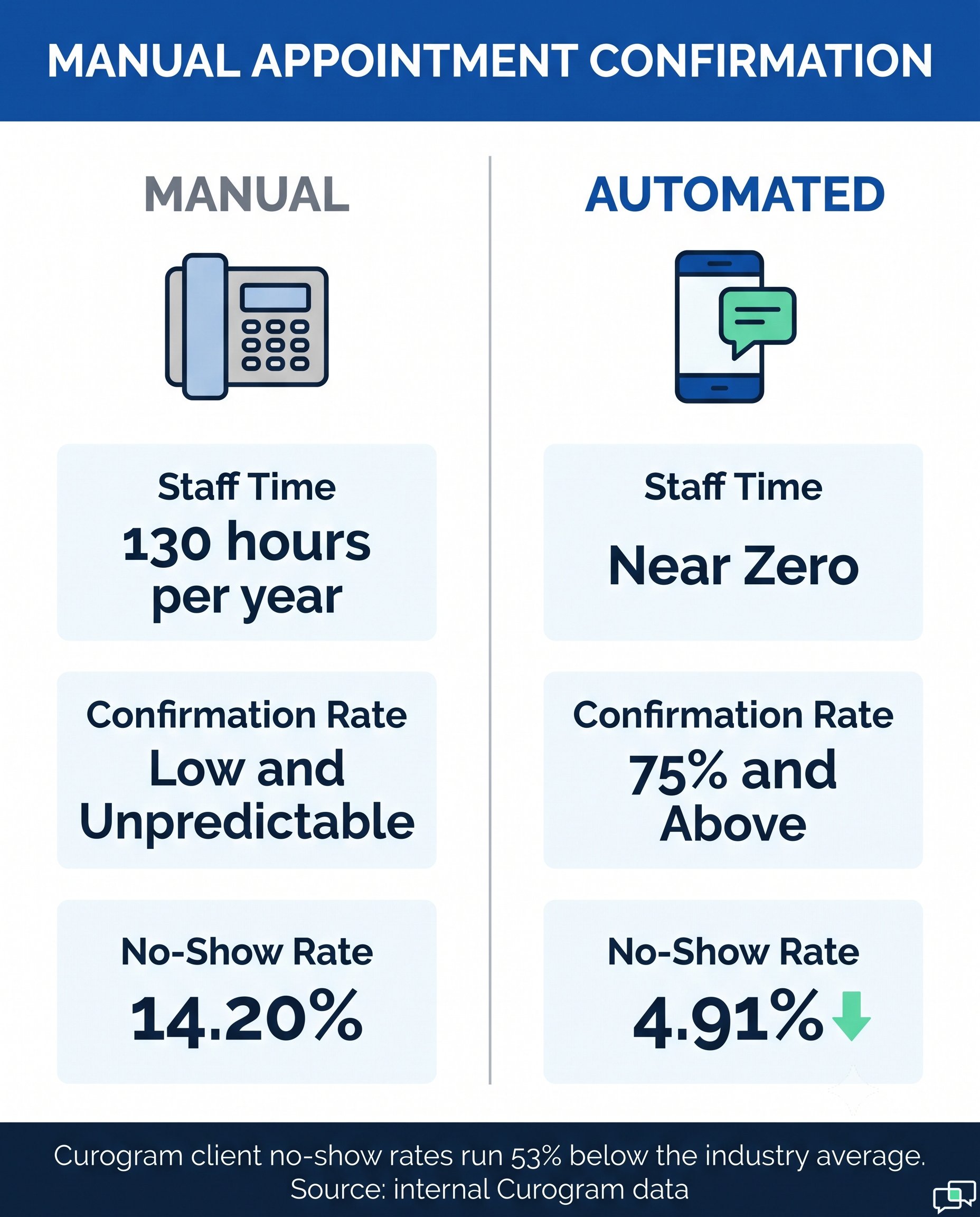
Here is the full library. Every template follows the anatomy above. Find your category, grab what fits, and swap in your own details.
A library of templates is step one. Step two is sending them at the right moment, through the right system, and within the rules. This is where most practices leave results on the table.
Do not think of confirmation as one message. Think of it as a short sequence, each message doing a different job.
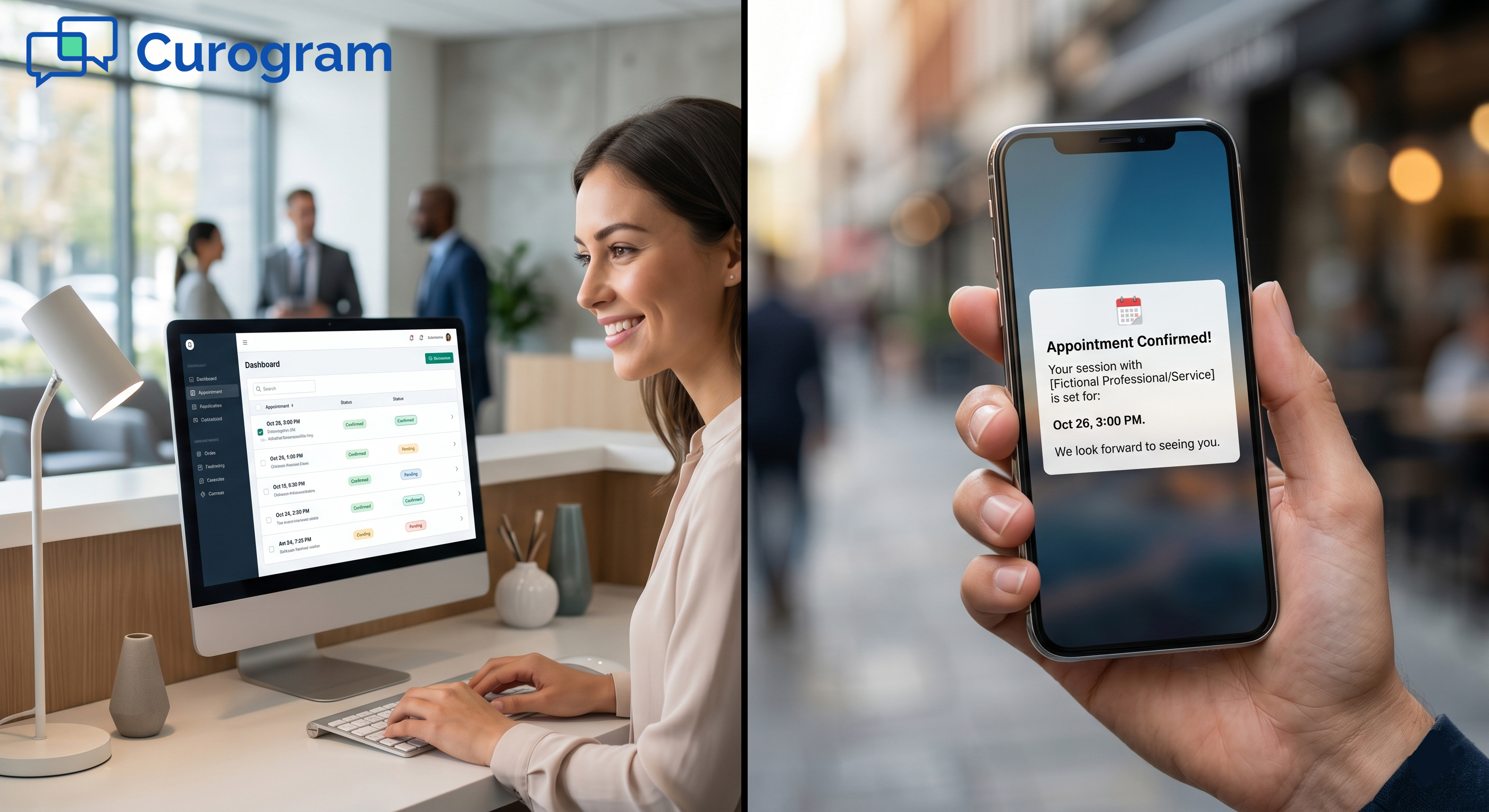
Send an instant note the moment someone books. It reassures them the slot is locked in.
Then send your main appointment reminder text 24 to 48 hours ahead. This is the workhorse. It is close enough to matter but early enough that the client can reschedule if something came up. Add a light day-of nudge for high-value visits.
A Simple Three-Touch Cadence
|
Timing |
Purpose |
Reply Needed? |
|---|---|---|
|
At booking |
Confirm the slot is reserved |
No |
|
24 to 48 hours before |
Secure an active confirmation |
Yes |
|
1 to 3 hours before |
Final friendly nudge |
No |
Sending these by hand does not scale past a few dozen patients. An automated appointment confirmation system removes the human bottleneck entirely.
Look for four things in a platform. It should sync with your existing EMR or calendar, let you customize every template, show replies in one shared inbox, and trigger messages automatically based on appointment time.
The payoff is real. Based on our internal data, Curogram clients average an appointment confirmation rate above 75%, and their no-show rates run 53% below the industry average. One medical center dropped from 14.20% to 4.91% in three months using automated reminders and two-way texting.
You cannot text clients without permission. In the United States, the TCPA carries real fines for practices that get this wrong.
You need express written consent before sending automated messages. A checkbox on your booking form works, as long as the language is plain and clear about what they are agreeing to.
Every message also needs an easy exit. A simple "Reply STOP to opt out" line does the job, and good software handles those opt-outs for you. Healthcare practices should also confirm their platform is HIPAA-compliant before any patient details go out by text.
One note: this is general guidance, not legal advice. Check with a lawyer to make sure your setup fits your state and your specialty.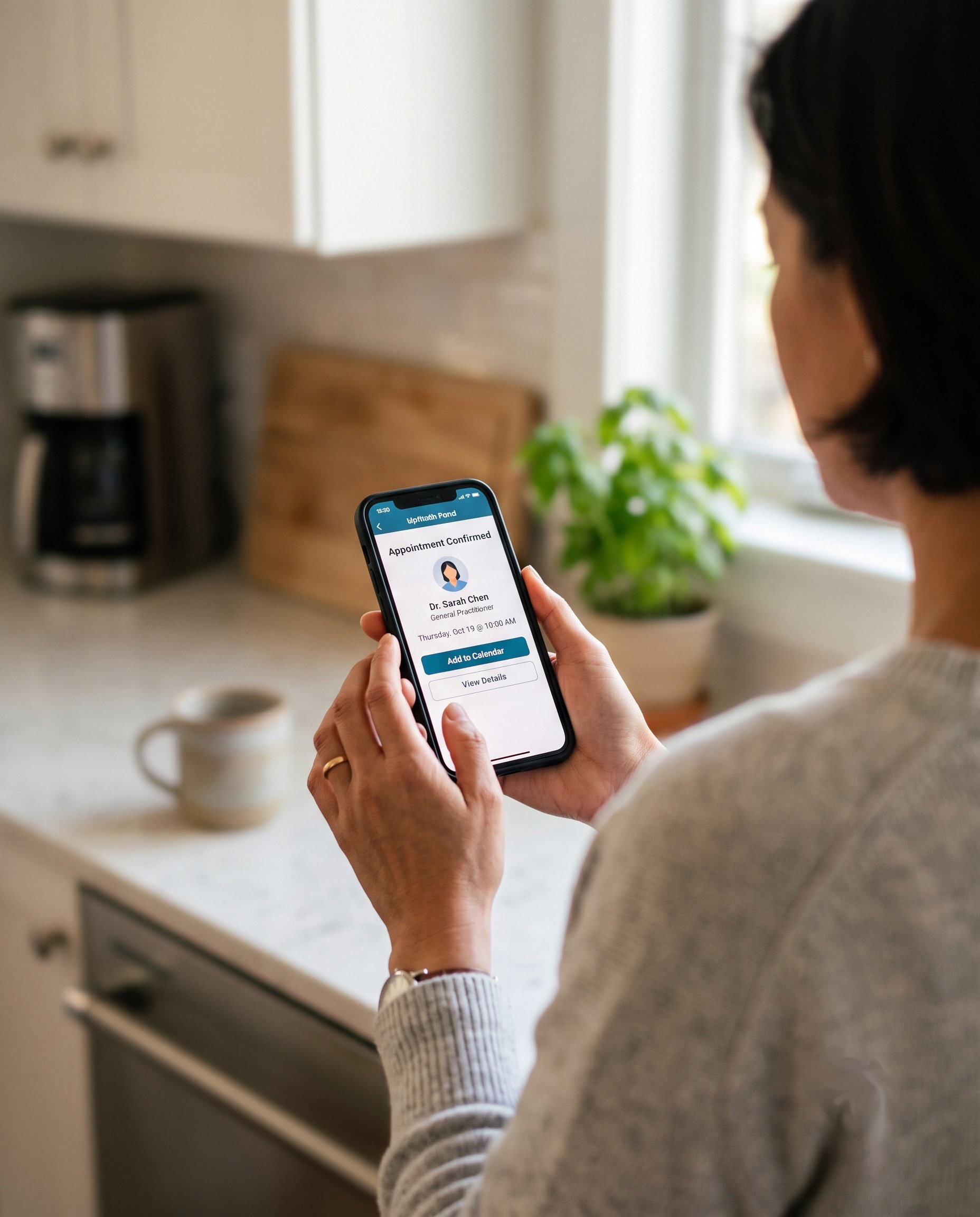
The empty chair is not just a scheduling problem. It is a revenue problem, a staffing problem, and a morale problem all at once.
An appointment confirmation text template is the cheapest fix available. It costs almost nothing to send, takes seconds to read, and turns a vague plan into an actual commitment.
Start simple. Pick one template from this guide, set it to send 24 hours ahead, and ask for a one-word reply. Watch what happens to your no-show rate over the next month.
Then build from there. Add a booking confirmation. Add a day-of nudge. Layer in intake forms or payment links once the basics are humming.
The practices that win at this are not the ones with the fanciest software. They are the ones that stopped leaving attendance to chance.
Curogram automates appointment reminders and two-way texting on top of any EMR, so your front desk stops dialing and starts helping patients. Book a demo to see what a 75% confirmation rate looks like in your practice.
-featured.png)
Wondering how to send a reminder text that gets results? Discover 80+ polite templates, real examples, and expert tips for appointments, events, and...
 Jo Galvez : 5/17/26, 9:00 AM
Learn how data-driven reminder timing, specialty benchmarks and automated confirmation workflows reduce practice no-show rates by 53% vs. industry...
 Jo Galvez : 5/17/26, 11:00 AM
Discover how reminder send-timing directly impacts confirmation rates. Curogram data shows 15% no-show reduction in 90 days through data-guided...